
US pauses immigrant visas and plans mass revocations for asylum seekers
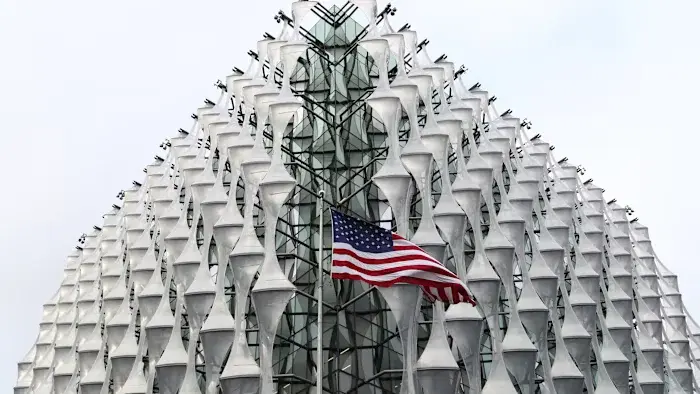
The US State Department has paused immigrant visa interviews worldwide to train consular officers on screening applicants for public benefit dependency. Simultaneously, the administration plans to revoke up to 200,000 B-1 and B-2 tourist and business visas issued between 2016 and 2026 for individuals who have sought asylum, marking a significant expansion of its immigration crackdown.
Key points
- The State Department paused immigrant visa appointments globally to implement 'in-depth training' for consular officers, aiming to screen out applicants likely to become public charges.
- The administration plans to revoke B-1 and B-2 visas for those who entered as tourists or business travelers and subsequently filed for asylum, a move estimated to affect up to 200,000 people.
- State Department spokesperson Tommy Pigott stated that using a visa to seek asylum constitutes fraud, while Deputy Secretary Christopher Landau criticized asylum as a 'loophole' to circumvent immigration laws.
- Legal experts note that revoking a visa does not automatically terminate a pending asylum claim, but it removes the underlying non-immigrant status, potentially leaving individuals dependent solely on their asylum cases.
- The pause follows a federal judge's recent ruling striking down the administration's ban on immigrant visas from 75 countries, which was deemed to violate federal law by discriminating based on nationality.
Background
This development follows a series of aggressive immigration restrictions under the Trump administration, including the suspension of refugee resettlement and the revocation of over 175,000 visas for other reasons. The recent visa pause occurs shortly after a federal judge invalidated the administration's 75-country immigrant visa ban, creating a legal landscape where the government is shifting from broad geographic bans to individualized screening and retroactive revocations.
How outlets are covering it
The Financial Times emphasizes the administrative pause and the rationale of preventing public charge dependency, noting the disruption to applicants who had already traveled for interviews. The Washington Post and USA Today focus on the scale of the planned revocations, highlighting the potential impact on asylum seekers who followed legal procedures. Al Jazeera provides expert analysis, noting that while visa revocation may not immediately lead to deportation, it creates a deterrent effect and complicates the legal status of applicants. There is a divergence in emphasis: the FT highlights the procedural delay, while the Post and USA Today focus on the punitive nature of the revocation policy and the uncertainty it creates for individuals with pending cases.
Why it matters
These actions signal a fundamental shift in US immigration policy, moving from border enforcement to retroactive scrutiny of legal entry channels. The pause and revocation plans could have long-term effects on global migration patterns, legal precedents regarding asylum rights, and the administrative burden on immigration courts, potentially setting a precedent for stricter enforcement of visa conditions.
What to watch
The State Department has not specified when immigrant visa interviews will resume. The administration is expected to coordinate with the Department of Homeland Security to identify individuals for visa revocation, a process described as 'dynamic' and ongoing. Legal challenges are likely to follow, particularly regarding due process and the definition of fraud in visa applications. The outcome of the 75-country ban case, with a deadline of September 11 for proposals, may also influence future policy directions.
- Trump administration pauses immigrant visa applications Financial Times
- Trump administration plans to revoke up to 200,000 visas, official says NPR
- State Dept. to revoke tourist, business visas for those who claimed asylum The Washington Post
- Trump plans largest mass visa cancellation in history: Who will it affect? Al Jazeera
- Trump administration plans mass visa revocations for people seeking asylum USA Today
Want the full story? Read the original reporting
Read on Financial Times