
Spanberger Restores Voting Rights for 66,000 Virginians Ahead of November Ballot Measure
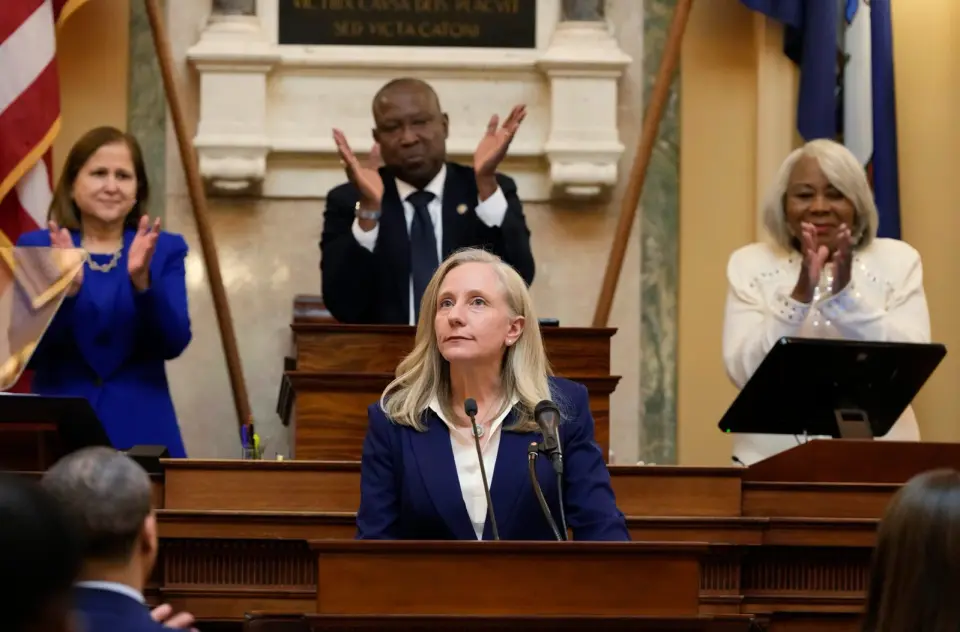
Virginia Governor Abigail Spanberger has restored voting rights for approximately 66,085 residents with past felony convictions, reversing the restrictive policies of her predecessor, Glenn Youngkin. This executive action restores rights to vote, serve on juries, and run for office, marking a significant shift from Youngkin’s tenure, which saw fewer than 10,000 restorations. The move precedes a November 3 constitutional amendment vote that would automate the restoration process upon release from incarceration, eliminating gubernatorial discretion. Spanberger’s administration has also removed certain application barriers, such as requirements to prove payment of fines, to expedite the process.
Key points
- Governor Spanberger announced the restoration of voting rights for 66,085 Virginians on July 31, 2026.
- Virginia is one of only three states with a constitutional provision for lifetime felony disenfranchisement, though governors have historically used executive power to restore rights.
- Predecessor Glenn Youngkin halted automatic restorations, resulting in fewer than 10,000 rights restored during his entire tenure.
- A federal court ruling in January 2026 declared Virginia’s disenfranchisement practices illegal under Reconstruction-era readmission acts.
- Voters will decide on a constitutional amendment on November 3, 2026, to make voting rights restoration automatic upon release from prison.
Background
Virginia’s felony disenfranchisement laws, adopted in 1902, were originally rooted in Jim Crow-era efforts to suppress Black voting. While previous governors from both parties used executive orders to restore rights, the system remained subject to individual discretion. A January 2026 federal ruling found that Virginia had illegally disenfranchised citizens for 156 years by violating the terms of its readmission to the Union after the Civil War. This legal backdrop intensified pressure on the Spanberger administration to address the backlog of unreviewed applications left by the Youngkin administration.
How outlets are covering it
All three sources confirm the figure of 66,085 restorations and the contrast with Youngkin’s administration. Bolts emphasizes the political narrative, highlighting Spanberger’s criticism of Youngkin’s 'efforts to deny' rights and the upcoming constitutional amendment as a permanent fix. VPM focuses on the procedural changes, noting that Spanberger’s office removed the requirement for applicants to prove payment of fines and fees, a barrier introduced by Youngkin. WSET highlights the broader civil rights restored, including jury service and eligibility for public office, and includes statements from state officials praising the move as a moral responsibility. Advocates cited by Bolts and VPM argue that while the executive restoration is positive, the reliance on a single governor’s discretion remains a systemic flaw that the November amendment aims to resolve.
Why it matters
This development represents a significant shift in Virginia’s approach to criminal justice and civic participation. By restoring rights for tens of thousands of residents, the state is re-integrating a substantial portion of its population into the democratic process. The upcoming November vote could permanently alter the legal framework, moving Virginia from a system of discretionary executive restoration to an automatic statutory right, aligning it with 23 other states that restore rights upon release. This change could influence voter turnout and political representation in future elections.
What to watch
The immediate next step is the August 4 primary election, where some newly restored voters may cast provisional ballots. The critical long-term event is the November 3, 2026, general election, where Virginians will vote on a constitutional amendment to make voting rights restoration automatic. If passed, this would end the governor’s discretion in the matter and ensure that all individuals with felony convictions regain their rights upon completion of their sentences. The Spanberger administration has indicated it will continue to proactively identify and restore rights for additional eligible individuals in the interim.
- Virginia Governor Restores Voting Rights for Thousands With Past Felony Convictions boltsmag.org
- Spanberger has restored voting rights to more than 66,000 Virginians VPM
- Voting rights restored for over 66,000 formerly incarcerated Virginians wavy.com
- Spanberger says her administration restores voting rights for more than 66,000 Virginians wset.com
- Spanberger restores voting rights for 66K, supports proposed constitutional amendment WFXRtv
Want the full story? Read the original reporting
Read on boltsmag.org