
Virginia’s Delayed Primaries Test Party Factions and Incumbents
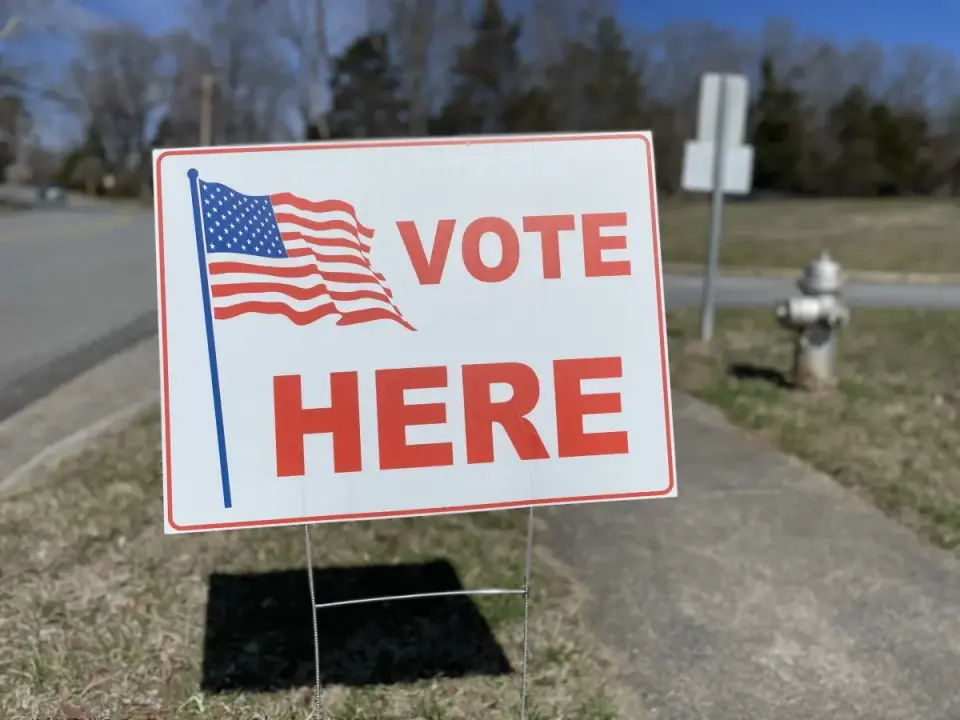
Virginia voters are selecting party nominees for November congressional and local races on Tuesday, following a delayed schedule caused by a failed redistricting referendum. Key contests include a U.S. Senate Republican primary and House races in the 1st, 2nd, 5th, 7th, 8th, and 9th districts. Incumbents Don Beyer and John McGuire face intraparty challenges, while front-runners Shannon Taylor, Elaine Luria, and Tom Perriello lead their respective fields. Turnout and margins will indicate the strength of the Democratic base and Republican apathy in swing districts.
Key points
- Primaries were moved from June to August due to the April 21 redistricting referendum, which the Virginia Supreme Court invalidated, reverting to the 2021 congressional map.
- Republicans are choosing a U.S. Senate nominee to challenge incumbent Mark Warner, with Bert Mizusawa, Kim Farington, and David Williams competing.
- Democrats face contested primaries in five House districts, including a seven-candidate field in the 1st District led by Henrico County Commonwealth’s Attorney Shannon Taylor.
- Incumbents Don Beyer (8th District) and John McGuire (5th District) face intraparty challenges, with Beyer’s race drawing high early voter turnout.
- The 5th District is the only congressional race with both party primaries, allowing direct comparison of turnout between energized Democrats and potentially apathetic Republicans.
- Local races include Arlington County board, Chesterfield County supervisors, Montgomery County sheriff, and Roanoke city council, where incumbents face turbulent political climates.
Background
Virginia voters have participated in three statewide elections in nine months, including a gubernatorial race and a redistricting referendum. The failed redistricting effort was a response to Republican-led map changes in states like Texas and Missouri. The current primaries use the existing 2021 congressional boundaries, which are less favorable to Democrats than the invalidated map. The November general election will also include constitutional amendments on abortion, marriage equality, and voting rights for felons, as well as local sales tax referendums for school construction in Richmond and Chesterfield.
How outlets are covering it
Cardinal News emphasizes the potential for incumbent losses and the significance of turnout in the 5th District as a barometer for the November race. It highlights the tension between establishment and progressive wings of the Democratic Party, noting that challengers to Beyer, Luria, and Taylor may split the vote. Axios focuses on the high-stakes nature of the November election, detailing the candidates in the Senate and House races, and noting the absence of a primary in the 4th District. WSET/AP provides logistical details, such as poll times and early voting trends, and notes that advance voting tends to be higher in Democratic primaries. All sources agree on the key candidates and the impact of the invalidated redistricting map, but differ in emphasis: Cardinal focuses on party dynamics, Axios on the November implications, and WSET on the voting process.
Why it matters
The results will determine the nominees for competitive congressional races that could influence control of the U.S. House. High turnout and margins in Democratic primaries may signal a strong base, while low Republican turnout in swing districts could indicate apathy. The outcome of the Senate Republican primary will set the stage for a challenge to incumbent Mark Warner. Local races, such as the Roanoke city council, reflect broader tensions over issues like casino proposals and school budgets.
What to watch
Cardinal News will provide live analysis of the results on Tuesday night, focusing on incumbent losses, front-runner margins, and turnout comparisons. The AP will declare winners only when the outcome is certain, with recounts possible if the margin is 1 percentage point or less. The next major election is the November 2026 general election, which is 91 days away as of the primary.
- 5 things to look for in Tuesday’s primary results Cardinal News
- Virginia's delayed primary sets up high-stakes November election Axios
- Virginia votes Tuesday: Everything you need to know about the 2026 primary elections Virginia Mercury
- Northern Virginia Republicans vie to take on US Sen. Mark Warner WTOP
- What to expect in Virginia’s state primary WSET
Want the full story? Read the original reporting
Read on Cardinal News