
West Virginians Retain Republican Control of State Legislature Despite National Democratic Wave
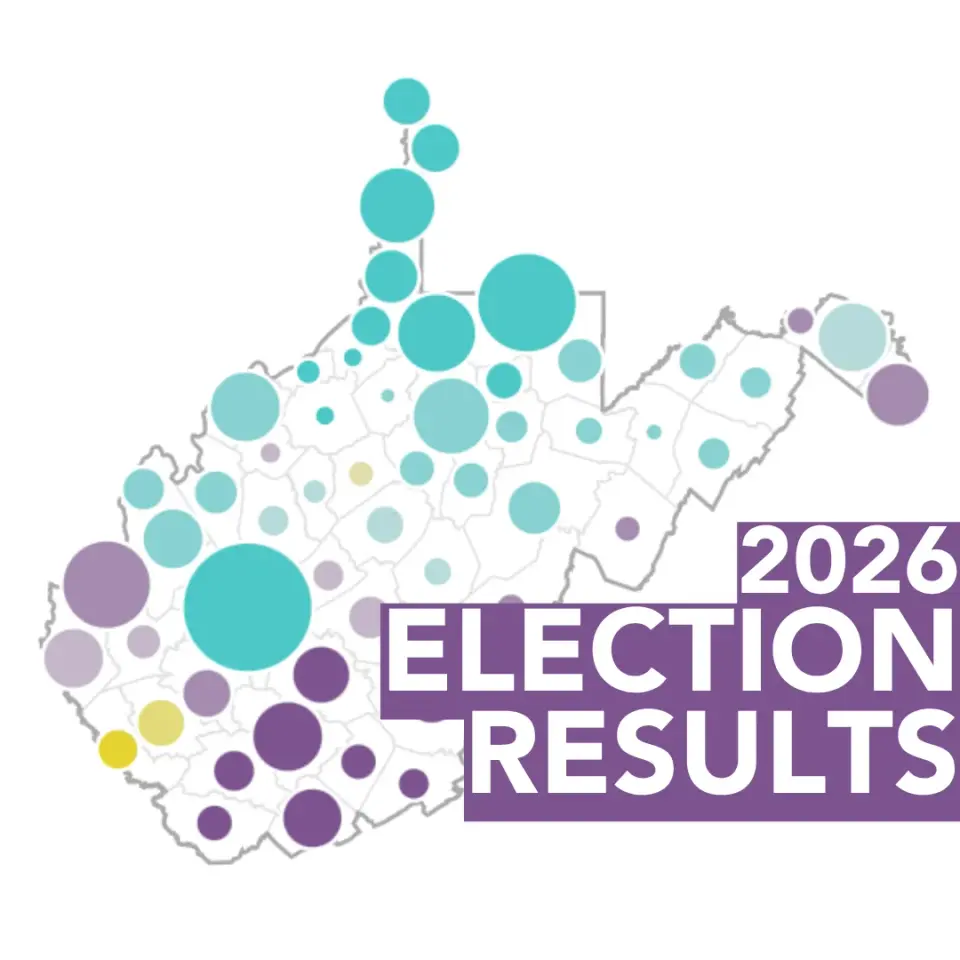
West Virginians voted in the 2026 general election, retaining Republican control of the state legislature and electing incumbent Senator Shelley Moore Capito to a third term. While the state remained red, the national Democratic wave did not translate into local legislative flips, with Republicans holding majorities in both the State Senate and House of Delegates. A constitutional amendment restricting voting to U.S. citizens passed with 79% support.
Key points
- U.S. Senator Shelley Moore Capito won re-election with 58.3% of the vote, defeating Democrat Rachel Fetty Anderson and Constitution Party candidate S. Marshall Wilson.
- Republicans maintained control of the West Virginia State Senate with 29 seats to 3 Democrats, and the House of Delegates with 65 seats to 14 Democrats.
- Constitutional Amendment 1, which restricts voting to U.S. citizens, passed with 79% approval, with 21% voting against.
- Charleston Mayor Amy Goodwin won re-election with 68.7% of the vote, defeating Republican Brian Hunt.
- Both U.S. House districts in West Virginia were won by Republican incumbents Carol Miller and Riley Moore, with margins exceeding 17 and 19 points respectively.
Background
The 2026 midterms followed a period of intense local conflict over data center development and environmental regulations, which Democrats argued threatened community autonomy. Additionally, Sen. Jim Justice was expected to decide on a gubernatorial run after these elections. Nationally, the 2026 midterms saw a historic Democratic wave, with voters rejecting President Trump's policies on cost of living and foreign affairs, leading to Democratic control of both chambers of Congress.
How outlets are covering it
The New York Times reported on the specific vote counts and margins for West Virginia's races, highlighting the strong performance of Republican incumbents despite the national Democratic trend. Mountain State Spotlight provided the framework for the election results, emphasizing the partnership with the Associated Press for real-time data and the inclusion of the citizenship amendment on the ballot. Both sources agree on the Republican retention of power in West Virginia, contrasting it with the broader national shift toward Democratic control of Congress.
Why it matters
The results demonstrate that West Virginia remains a solidly Republican state, even in a midterm election characterized by a national Democratic wave. The retention of the state legislature and the U.S. Senate seat indicates that local issues, such as data center development and environmental concerns, did not override the state's traditional partisan alignment. The passage of the citizenship amendment also signals a continued focus on voter eligibility and state sovereignty in West Virginia politics.
What to watch
The next step is the certification of the election results by county boards and the state Board of Elections. Sen. Jim Justice is expected to announce his decision on running for governor before the end of 2026. The new Congress, controlled by Democrats, will begin its session, potentially impacting federal policies that affect West Virginia, such as energy and infrastructure funding.
- West Virginia 2026 General Election results Mountain State Spotlight
- West Virginia 2026: Live Midterm Election Results The New York Times
- Live West Virginia Results | Elections 2026 PBS
- West Virginia U.S. Senate election results 2026 The Washington Post
- 2026 General Election Results for WV and VA WVNS
Want the full story? Read the original reporting
Read on Mountain State Spotlight