
El Niño and King Tides Trigger Historic Coastal Flooding Across California
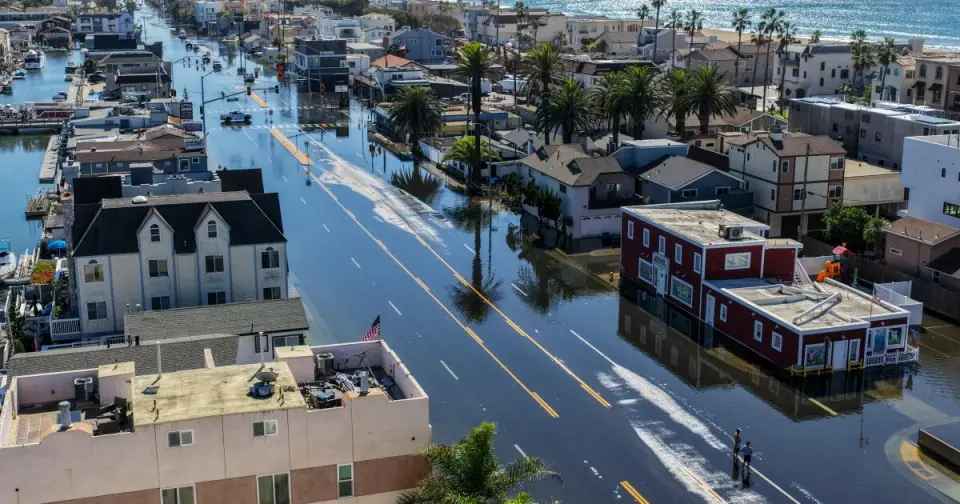
Unprecedented sea levels are flooding California’s coast this week, driven by a combination of king tides, a strong El Niño, and large swells. The National Weather Service warns that major to extreme flooding is expected from San Diego to San Francisco, with record-breaking water levels already confirmed in the Bay Area. While a storm system is moving through Northern California, the primary threat is the elevated ocean baseline caused by thermal expansion, which is pushing water levels significantly higher than normal. Authorities have closed key infrastructure, including the Posey Tube tunnel, and urged residents to avoid travel. This event is part of a recurring pattern expected to continue every two weeks through the winter.
Key points
- San Francisco broke its November water level record on Tuesday, reaching 8.23 feet at the Crissy Field gauge, surpassing the previous record of 7.97 feet set in 1982.
- Forecasters predict maximum sea levels of 8.6 feet in San Francisco and 8.1 feet in La Jolla on Wednesday, potentially breaking all-time records set during the 1982-83 El Niño.
- The National Weather Service warns that coastal flooding will likely be a concern every two weeks through the winter due to the ongoing El Niño and higher ocean temperatures.
- The Posey Tube tunnel, which has never flooded in its 98-year history, was closed by state officials due to concerns over rising sea levels.
- In Southern California, areas that flooded in late October, such as Huntington Beach and Newport Beach, are at high risk of repeat flooding due to larger waves this week.
Background
California’s coastline has faced severe flooding threats in recent days as record-breaking king tides coincide with a powerful storm system and El Niño-driven warm waters. Previous coverage noted that forecasters warned of potential record-breaking sea levels, with some predictions exceeding 9 feet in the Bay Area. Cities from San Diego to San Francisco have deployed sandbags, pumps, and flood barriers in preparation for the event. The threat is driven by a confluence of high tides, storm surge, and thermal expansion from hot ocean temperatures, creating hazardous conditions for millions of travelers during the Thanksgiving holiday.
How outlets are covering it
The Los Angeles Times emphasizes the scientific cause of the flooding, citing UC climate scientist Daniel Swain, who attributes the risk to the overlap of king tides and extreme thermal expansion from the El Niño, which has raised ocean levels by at least a foot. ABC7 Bay Area focuses on the immediate impacts, reporting that San Francisco broke its November water level record on Tuesday and that flooding has already submerged streets and docks in Marin County and Sausalito. USA Today highlights the impact on major venues, noting that the Chase Center and Oracle Park are preparing for potential flooding, with the Warriors hosting an NBA game on the peak flood day. Bloomberg notes the broader economic impact, reporting that major airlines have waived flight-change fees through Wednesday due to the weather disruptions. While all sources agree on the severity of the event, the Los Angeles Times and ABC7 focus on the physical and scientific aspects, while USA Today and Bloomberg highlight the impact on infrastructure and travel.
Why it matters
This event underscores the increasing frequency and severity of coastal flooding in California due to climate change and El Niño conditions. The record-breaking water levels and widespread flooding highlight the vulnerability of coastal infrastructure and the need for proactive adaptation strategies. The National Weather Service’s warning that such flooding will likely occur every two weeks through the winter suggests that this is not an isolated incident but part of a broader trend of rising sea levels and extreme weather events. The closure of key infrastructure, such as the Posey Tube tunnel, and the impact on major venues and travel demonstrate the significant economic and social consequences of these events.
What to watch
Forecasters expect the highest flood risks to persist through Wednesday and Thursday, with peak sea levels occurring in the morning. The National Weather Service warns that coastal flooding will likely be a concern every two weeks through the winter, as the El Niño and higher ocean temperatures continue to drive up sea levels. Residents in low-lying coastal areas are urged to avoid travel and monitor official channels for updates. Authorities are expected to continue deploying flood barriers and emergency measures to protect infrastructure and communities. The long-term implications of this event may include increased calls for proactive adaptation strategies, such as property buyouts and infrastructure upgrades, to mitigate the impact of future flooding.
- How California’s king tides will play out: Timing, locations, danger zones Los Angeles Times
- Live storm updates: Record king tides leave Bay Area roads flooded ABC7 Bay Area
- San Francisco sports venues face coastal flooding conditions USA Today
- A California storm is brewing. Why the main danger is at the coasts. The Washington Post
- San Francisco Inundated With Record-High Tides Juiced by El Niño Bloomberg.com
Want the full story? Read the original reporting
Read on Los Angeles Times