
Xi’s Washington State Visit Ends with Trade Extension but No AI or Conflict Breakthroughs
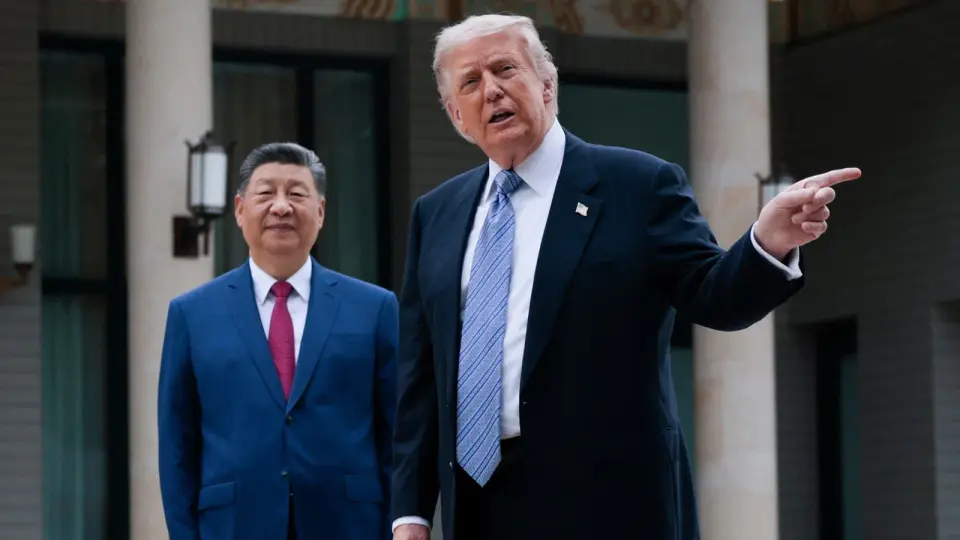
Chinese President Xi Jinping concluded a three-day state visit to Washington, D.C., marked by extensive ceremonial displays but limited substantive policy outcomes. The primary tangible result was a two-month extension of the existing U.S.-China trade truce until January 10, 2026, announced by Treasury Secretary Scott Bessent. While the visit featured high-profile events like a tarmac greeting, a state dinner, and a panda gift for Atlanta, leaders failed to reach agreements on artificial intelligence risks, the war in Iran, or major purchase commitments. Analysts suggest the calm atmosphere was intentional to stabilize markets ahead of U.S. midterm elections, though tensions may resurface in future summits.
Key points
- The U.S. and China agreed to extend their trade truce until January 10, 2026, a two-month extension of the deal struck in Busan, South Korea, which lowered tariffs and suspended rare earth export controls.
- Xi Jinping received a rare red-carpet tarmac greeting at Joint Base Andrews and a tour of the White House helipad, with Trump describing Xi as someone who 'loves good granite.'
- No concrete agreements were reached on artificial intelligence regulation, with Trump stating he wants to leave AI policy 'exactly where it is,' while Xi emphasized the need for cooperation to keep AI under human control.
- The visit included a state dinner attended by tech executives, a military review in the Rose Garden, and a promise from Xi to send two pandas to Atlanta, reviving a diplomatic strategy.
- Major U.S. television networks did not broadcast the military displays due to a temporary suspension of White House pool coverage, which was later restored after a federal court ruling.
Background
This visit followed Xi’s May 2026 trip to Beijing, where the two leaders first met and discussed the 'Thucydides Trap.' Recent weeks saw intensified AI regulatory debates, with tech leaders like Sam Altman and Jensen Huang attending the White House state dinner. Late-night hosts had previously mocked the visit’s focus on optics over policy, highlighting the lack of breakthroughs in trade or conflict resolution.
Why it matters
The trade truce extension provides temporary stability for global markets but leaves critical issues like AI governance and geopolitical conflicts unresolved. The short extension period may serve as leverage for future negotiations, while the ceremonial nature of the visit suggests a strategic pause rather than a resolution of underlying tensions between the two powers.
What to watch
Leaders are expected to meet again at the Asia-Pacific Economic Cooperation summit in Shenzhen in November and the G20 in Miami in December. Analysts warn that tensions may become more visible as the year progresses, particularly regarding AI competition and trade leverage.
- Trump, Xi wrap state visit centered on spectacle over substance. Here are the top takeaways CNBC
- Dining With A.I. Moguls, Billionaires and Xi Jinping, Trump Went Off Script The New York Times
- Xi-Trump atmospherics welcomed but mask structural rifts: analysts South China Morning Post
- America and China’s leaders indulge in pageantry as crises mount The Economist
- Hundreds gather to protest China's occupation of Tibet, during Xi Jinping's visit WUSA9
Want the full story? Read the original reporting
Read on CNBC