
X2 Coaster Closure Follows Two Critical Brain Injuries, Sparking Safety Debate
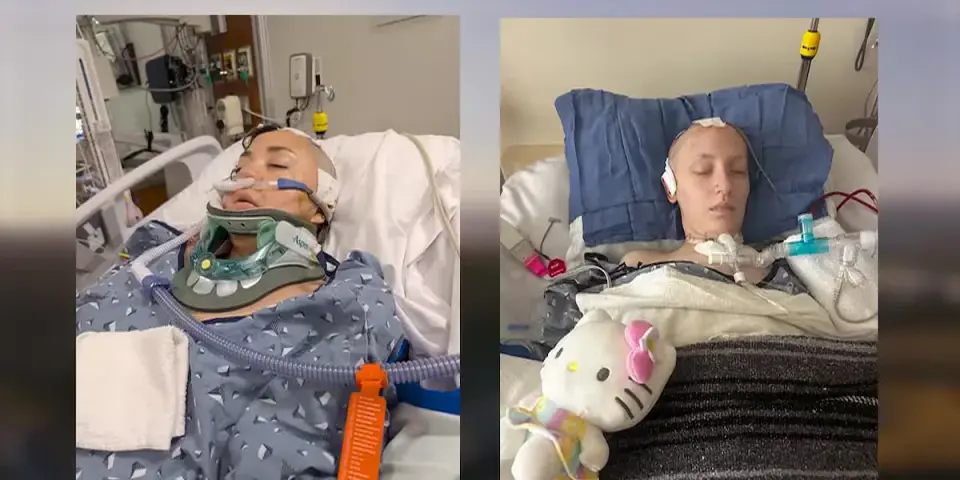
Two women suffered life-threatening brain injuries on the X2 roller coaster at Six Flags Magic Mountain in July 2026, leading to the ride's indefinite closure. A CNN investigation reveals a pattern of serious head injuries and two deaths linked to the attraction over nearly two decades. While park officials maintain the ride meets safety standards, neurosurgeons attribute the recent injuries to traumatic acceleration-deceleration events. The California Division of Occupational Safety and Health is currently investigating the closure, which occurred shortly after the second incident.
Key points
- Pamela Guillen, 40, and Naomi Greer-Wilkinson, 25, both suffered severe subdural hematomas within six days of each other in July 2026 after riding X2.
- Guillen regained consciousness after two weeks but required rehabilitation for walking and speaking; Greer-Wilkinson remains in a coma on a ventilator.
- Three neurosurgeons stated in an email that the injuries resulted from a 'traumatic rapid acceleration-deceleration event' on the ride.
- X2, which features rotating seats and speeds near 80 mph, has been linked to two deaths since 2010, including Christopher Hawley in 2022.
- Six Flags closed X2 on July 12, 2026, but has not publicly explained the reason or commented on the injuries.
- The California Division of Occupational Safety and Health is conducting an ongoing inspection but has not released details.
Background
This incident follows a 2022 death of Christopher Hawley, a 22-year-old rider, which led to a wrongful death lawsuit recently settled confidentially. A 2010 death of Hilda Farias was also linked to the ride, though attributed to a pre-existing brain abnormality. The X2 coaster, opened in 2002, is one of only three '4th dimensional' coasters in the world, featuring seats that rotate independently of the track. Previous coverage noted that Six Flags had fielded numerous complaints about head and neck injuries prior to the 2022 fatality, which the park argued were not reported to state authorities.
How outlets are covering it
CNN's investigation emphasizes a systemic failure, citing internal records of at least 70 head injury complaints in the three years before Hawley's death and arguing that repeated traumatic brain injuries constitute a 'clear safety signal' for regulatory review. Experts like Lyndia Wu and Brian Avery suggest current safety standards do not account for real-world factors like head movement or seating position. Conversely, Six Flags and its legal team maintain that the ride meets industry standards and that injuries are due to rider negligence or pre-existing conditions, citing a warning sign about 'inherent risks.' Park officials have declined to answer detailed questions from CNN, stating only that the ride remains closed. KTLA reported the closure began in July but noted Six Flags gave no reason, while the California OSHA confirmed an investigation is ongoing without providing further details.
Why it matters
The closure of a marquee attraction at a major theme park highlights ongoing tensions between thrill ride innovation and rider safety. The pattern of severe brain injuries, including two deaths and multiple hospitalizations over two decades, raises questions about the adequacy of current amusement ride safety standards and regulatory oversight. As Six Flags faces potential liability and public scrutiny, the outcome of the OSHA investigation and ongoing lawsuits may influence future design and operational protocols for high-intensity coasters worldwide.
What to watch
The California Division of Occupational Safety and Health will likely issue findings from its ongoing inspection of X2. Six Flags may face further legal challenges from the families of the two injured women and potentially other riders. The park may decide to permanently close X2 or modify its design based on regulatory requirements. Public attention may shift to other '4th dimensional' coasters, such as the one in Japan that closed after a fatal worker injury in 2025.
- 2 women suffer life-threatening brain injuries after riding famous Six Flags coaster, report says FOX Carolina News
- Six Flags rollercoaster lands two women in hospital with alarmingly similar brain injury CNN
- Six Flags Magic Mountain 'X2' roller coaster linked to reported brain injuries WRAL
- Magic Mountain, ride manufacturer reach settlement in X2 roller coaster death lawsuit KTLA
- Family Sues Six Flags After Son, 22, Dies From Head Injuries Suffered on Roller Coaster Yahoo
Want the full story? Read the original reporting
Read on FOX Carolina News