
ADA Publishing VP Resigns Over Journal Boycott Crisis
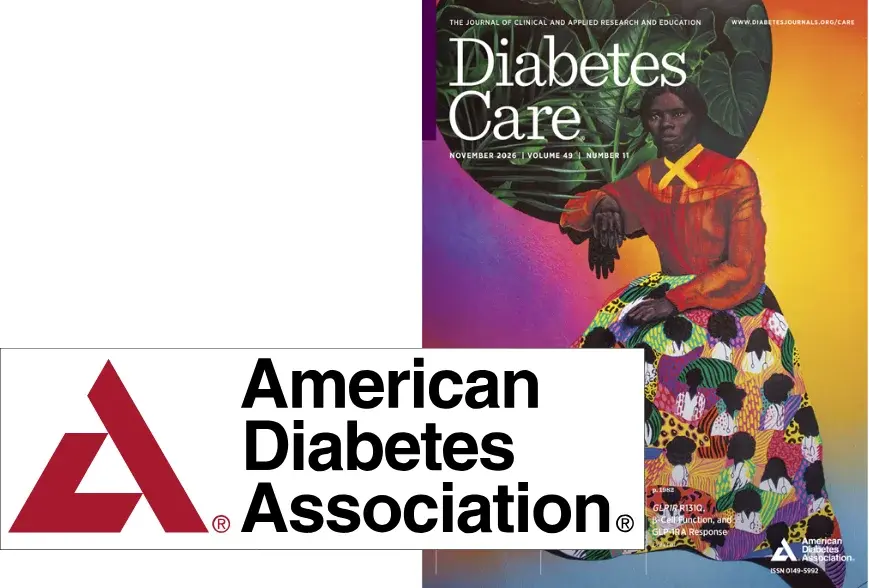
Christian Kohler, the American Diabetes Association’s vice president for professional publications, resigned on November 6 after 20 years with the organization. He cited profound disappointment with the ADA’s handling of a protest at its June annual meeting and the subsequent editorial boycott of its journal, Diabetes Care. Kohler objected to the ADA’s decision to appoint an interim editorial team without a formal vetting process or an accountable editor-in-chief. The crisis began when five attendees were ejected from the conference for distributing materials about NIH funding cuts. An independent review later confirmed the ejections violated conference conduct rules, not content restrictions. In response, journal editors suspended manuscript reviews, leaving approximately 400 submissions unhandled. While the ADA defended the interim team’s qualifications, Kohler argued the arrangement compromised editorial independence and integrity.
Key points
- Christian Kohler submitted his resignation on November 6, citing the ADA's handling of the June 5 protest in New Orleans and the resulting loss of confidence in the diabetes research community.
- Kohler opposed the ADA's decision to install an interim editorial team for Diabetes Care, arguing it lacked a formal vetting process and an editor-in-chief with ultimate accountability.
- The conflict originated when five attendees were ejected from the ADA Scientific Sessions for distributing an editorial on NIH funding cuts; an independent review confirmed the ejections violated conduct codes, not content policies.
- Following the incident, editors of Diabetes Care suspended manuscript reviews, leading to a boycott that left around 400 submissions unprocessed since September.
- The ADA spokesperson defended the interim team as highly qualified, while Kohler stated he could not endorse an approach that compounded the crisis rather than resolving it.
Background
The American Diabetes Association previously faced legal challenges regarding retractions and expressions of concern in its journals, including a 2017 lawsuit by researcher Mario Saad. In 2017, the organization received the Retraction Watch Doing the Right Thing Award for defending its right to issue expressions of concern. Recent developments in diabetes research, such as studies on GLP-1 drugs, highlight the ongoing importance of the journals and conferences affected by this dispute.
Why it matters
The resignation of a senior publishing executive underscores deepening tensions between the American Diabetes Association and its scientific community. The crisis threatens the integrity of peer-reviewed research and the operational stability of a major journal, potentially delaying critical medical publications and eroding trust in the organization's governance.
What to watch
The ADA has indicated it will outline next steps to improve based on the independent review's findings, though specific actions remain unspecified. The status of the approximately 400 unprocessed manuscripts and the future of the interim editorial arrangement for Diabetes Care remain uncertain as the organization seeks to resolve the boycott.
Want the full story? Read the original reporting
Read on Retraction Watch