
Maine Lobsterman’s Rare 'Cotton Candy' Catch Heads to University for Genetic Study
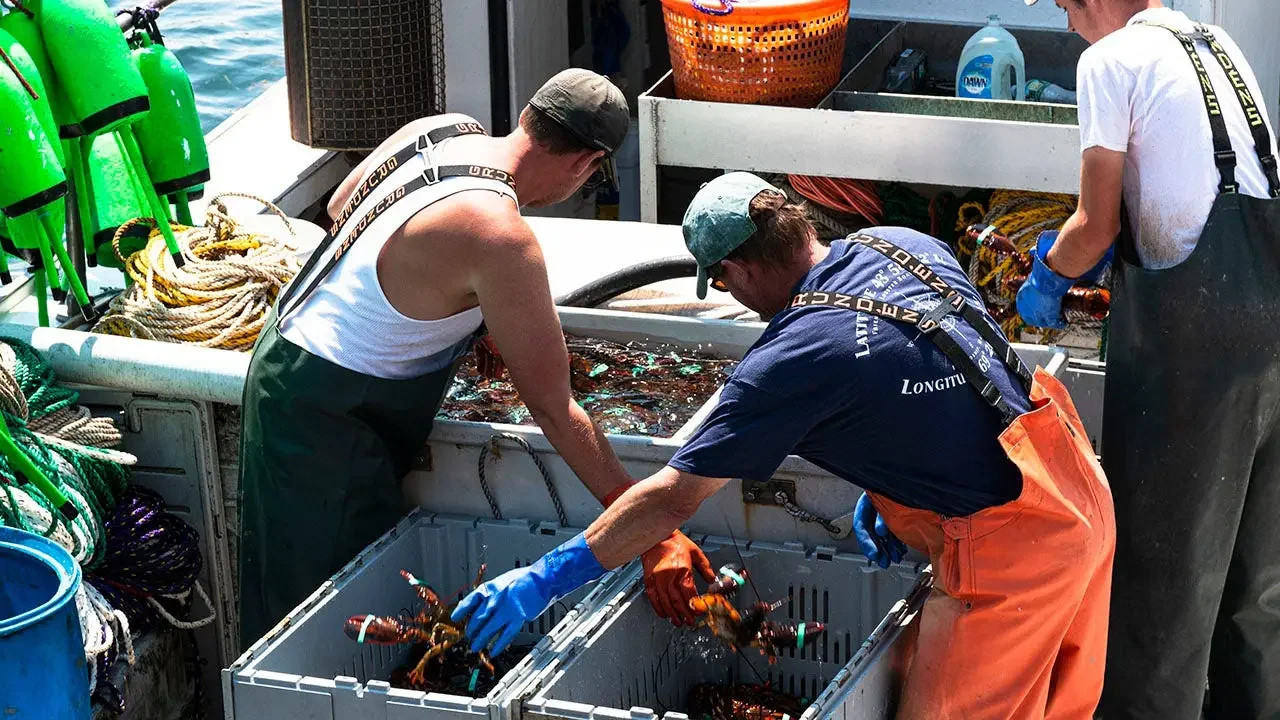
Bill Kirby, a veteran Maine lobsterman, caught an ultra-rare 'cotton candy' lobster in Searsport, Maine, on September 17, 2026. The crustacean, estimated to occur once in 100 million, was donated to the University of New England (UNE) for genetic research. Kirby, who has worked in the industry for over 40 years, prioritized the animal's safety and public visibility over commercial sale, reflecting a broader effort to protect the lobster industry's future. The catch highlights the ongoing scientific interest in rare color mutations, which UNE researchers are using to study gene expression and inheritance patterns in lobsters.
Key points
- Bill Kirby, owner of Kirby's Lobster Shack, caught a 'cotton candy' lobster in Searsport, Maine, on September 17, 2026, during a routine fishing trip.
- The lobster is considered extremely rare, with estimated odds of 1 in 100 million, and is characterized by a glowing coloration caused by a genetic mutation.
- Kirby donated the lobster to the Oceanarium and Education Center in Bar Harbor, which subsequently transferred it to the University of New England (UNE) for research.
- UNE researchers, led by Dr. Markus Frederich, are using the lobster to study the molecular mechanisms behind rare coloration, analyzing over 15,000 genes.
- Kirby emphasized the importance of protecting the lobster industry for future generations, stating that fishermen must ensure the sustainability of the trade.
Background
This event follows a period of heightened attention to Maine's lobster industry, including recent trade developments where Canada exempted U.S. seafood from tariffs, safeguarding approximately $300 million in exports. The current focus on rare lobsters aligns with broader scientific efforts to understand genetic diversity in marine species, which can inform conservation strategies and sustainable fishing practices.
How outlets are covering it
OutKick highlighted the emotional and cultural significance of the catch, focusing on Kirby's reaction and the lobster's visual appeal. WMTV and WGME emphasized the scientific aspect, detailing the donation to UNE and the ongoing research into genetic mutations. WDEA AM 1370 provided minimal coverage, focusing on the rarity of the catch without delving into the research or industry implications. The outlets generally agreed on the rarity and significance of the catch but differed in their emphasis, with OutKick focusing on the human element and the others on the scientific and institutional aspects.
Why it matters
The catch of a 'cotton candy' lobster underscores the importance of genetic research in understanding rare color mutations, which can provide insights into the health and sustainability of lobster populations. It also highlights the role of local fishermen in contributing to scientific knowledge and the broader effort to protect the lobster industry, which is a vital part of Maine's economy. The donation to UNE demonstrates a collaborative approach between the fishing community and academic institutions to advance marine science.
What to watch
The University of New England will continue its genetic analysis of the 'cotton candy' lobster, aiming to uncover the molecular mechanisms behind its rare coloration. This research may contribute to a better understanding of genetic diversity in lobsters, potentially informing conservation efforts and sustainable fishing practices. Additionally, the public display of the lobster at the Oceanarium and Education Center in Bar Harbor is expected to raise awareness about the rarity and significance of such specimens.
- Maine lobsterman catches ultra-rare cotton candy lobster with crazy odds: 'It just glowed' Fox News
- Rare 1-in-100-million 'ghost lobster' has new home at UNE for research WGME
- Casper The “Ghost” Lobster Is 1-In-100-Million, With A Shell So Fancy It Has To Be Seen To Be Believed iflscience.com
- Matinicus Fisherman Lands One-in-50-million Split Lobster Aboard Cheryl Lynn II WDEA AM 1370
- Casper, a rare ghost lobster, will be part of research at the University of New England WMTW
Want the full story? Read the original reporting
Read on Fox News