
US Military Neutralizes Three Cartel Drones with Laser System in Texas
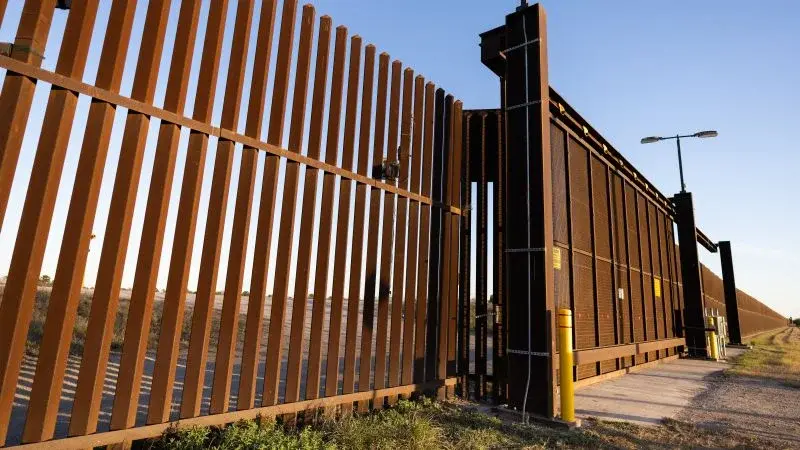
US military forces used a high-energy laser to shoot down three drones linked to Mexican drug cartels near the Rio Grande Valley in Texas. The operation, conducted by NORAD and US Northern Command, targeted unmanned aircraft that posed a physical threat to border personnel. This marks a significant escalation in the use of directed-energy weapons against cartel infrastructure, occurring amidst heightened tensions over US unilateral actions on the border.
Key points
- The US military utilized the Army Multipurpose High Energy Laser to destroy three drones in the Rio Grande Valley, Texas, late Tuesday and early Wednesday.
- Officials stated the drones posed a physical threat to US military and Customs and Border Protection personnel, though the precise location of the strikes was not disclosed.
- Joint Task Force–Southern Border commander Major General Curtis Taylor noted that cartels are increasingly using unmanned aircraft for human smuggling and surveillance.
- Mexican President Claudia Sheinbaum has previously warned that any unilateral US action on Mexican soil would constitute a grave breach of sovereignty.
- The laser system is likely the AeroVironment LOCUST, which was previously deployed near El Paso and caused a temporary airspace shutdown earlier this year.
Background
This incident follows the Pentagon’s recent move to formalize directed-energy lasers as a standard part of the Army’s arsenal, including a multi-hundred-million-dollar contract with AeroVironment. It also comes after a February incident where a laser system accidentally shot down a US government drone. Broader regional context includes recent cartel violence in Mexico, such as the killing of influencer César Gastelum in Culiacán, and NATO’s recent use of interceptors to down drones breaching airspace in Europe, highlighting a global trend in counter-drone operations.
Why it matters
The use of lethal force against drones near the border signals a shift in US border security strategy, moving from detection to active neutralization. This action risks straining US-Mexico relations, as Mexico views such operations as potential violations of sovereignty. Furthermore, it highlights the growing militarization of the border and the integration of advanced technology like high-energy lasers into routine border enforcement, raising questions about safety and diplomatic repercussions.
What to watch
Expect increased diplomatic friction between Washington and Mexico City as Mexico evaluates whether the strikes occurred on its soil. The US military may expand the deployment of laser systems along the border, potentially leading to more airspace restrictions or accidental engagements. Cartels may adapt their drone technology to evade detection or counter the laser systems, leading to an evolving technological arms race at the border.
Want the full story? Read the original reporting
Read on CNN