
Cascading U.S. Tech Failures Spark Congressional Demands for Answers Amid Public Anxiety
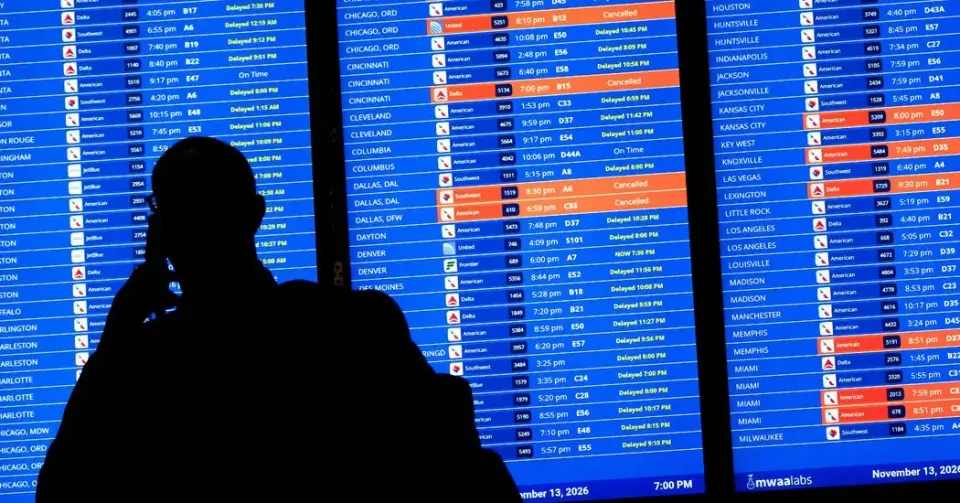
A series of unlinked but high-impact technology outages across major U.S. sectors has triggered public anxiety and political pressure for transparency. While officials attribute the failures to aging infrastructure and isolated bugs, lawmakers from both parties are demanding a bicameral briefing to rule out coordinated cyberattacks or rogue AI activity.
Key points
- A Microsoft outage on Thursday disrupted Outlook and Office apps for approximately 100,000 users, marking the start of a five-day wave of digital failures.
- The Federal Aviation Administration implemented a nationwide ground stop on Friday, the third in its history, which investigators link to a router upgrade issue at a radio facility in Arkansas.
- On Monday, JPMorgan Chase, Bank of America, and Wells Fargo reported transaction delays, while United Airlines experienced a system outage that resolved by evening.
- By Tuesday, disruptions extended to Apple services, Gmail, Marriott, and the National Security Agency’s internal communications network, though no evidence of a cyberattack has been confirmed.
- House Minority Leader Hakeem Jeffries and Rep. Mike Lawler have called for a joint briefing in both chambers of Congress to clarify whether the incidents are coincidental or indicative of broader security threats.
Background
This current wave of outages follows a period of stable digital infrastructure, with no prior major national tech failures reported in the archive from October or early November 2026. The recent events stand in stark contrast to the routine operational status of major platforms like Xbox and financial institutions observed in the preceding weeks.
How outlets are covering it
The New York Times frames the outages as a symptom of a 20th-century nation struggling with 21st-century demands, emphasizing the lack of a central help desk and the fragility of aging infrastructure. Politico highlights the political opportunity for Transportation Secretary Sean Duffy to secure funding for FAA upgrades, while noting that all involved agencies have denied cyberattack involvement. The Hill focuses on the skepticism among Republican leaders, including Sen. Josh Hawley and Sen. John Kennedy, who suspect coordinated hacking or rogue AI, contrasting this with the White House’s dismissive stance. President Trump reportedly called the situation 'fine,' and Vice President JD Vance stated the administration does not see a crisis, a position criticized by figures like Karoline Leavitt and Meghan McCain for lacking transparency. While the NYT and Politico emphasize infrastructure decay, The Hill and various conservative voices push for a security-focused narrative, creating a divide between technical explanations and political suspicion.
Why it matters
The clustering of outages across critical sectors, including finance, aviation, and national security, has eroded public confidence in digital resilience. The lack of a unified government response has fueled speculation about systemic vulnerabilities, potentially leading to long-term policy shifts in cybersecurity funding and infrastructure modernization if Congress acts on the current demands for oversight.
What to watch
Congress is expected to press the administration for a formal briefing in the coming days. Transportation Secretary Sean Duffy will likely continue lobbying for billions in infrastructure upgrades, while the White House must decide whether to issue a public statement to address the growing public anxiety and stockpiling behavior reported by some citizens.
- After Days of Digital Outages, Americans Wonder if the Country Is Breaking The New York Times
- 6 major outages in 6 days: From Outlook to the NSA, what we know so far Politico
- Are Americans Getting The Truth About Tech Outages? Lawmakers Are Skeptical Forbes
- Skepticism grows within GOP over tech failures: ‘Americans aren’t stupid’ The Hill
- Lawmakers call for answers regarding nationwide outages Fox News
Want the full story? Read the original reporting
Read on The New York Times