A series of unlinked but high-impact technology outages across major U.S. sectors has triggered public anxiety and political pressure for transparency. While officials attribute the failures to aging infrastructure and isolated bugs, lawmakers from both parties are demanding a bicameral briefing to rule out coordinated cyberattacks or rogue AI activity.
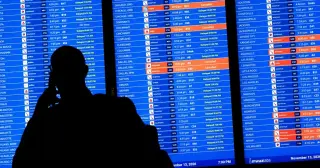
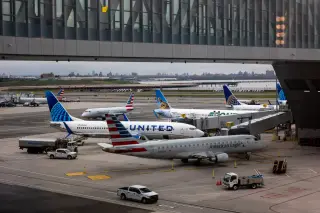
President Donald Trump broke his silence on the nationwide ground stop that halted flights on November 13, using the incident to demand immediate congressional funding for air traffic control upgrades. He blamed the Biden administration for worsening the aging system and criticized the current funding approach as insufficient. Transportation Secretary Sean Duffy confirmed the disruption was caused by a contractor error during a fiber optic upgrade, not a cyberattack, and urged Congress to approve $50 billion for a full overhaul.
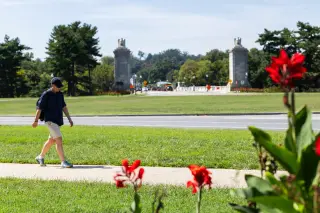
President Trump announced on Sunday that his planned 250-foot triumphal arch near Arlington National Cemetery will serve as a military complex for drones and ammunition, rather than a tourist attraction. This shift has stalled the federal review process, as preservationists demand clarity before signing required memorandums. Aviation experts warn that drone operations in the crowded airspace of Reagan National Airport pose significant safety risks, while a senior Republican appropriator questioned the funding priority. The administration has not provided details on the military integration, and the FAA’s prior approval of the structure may require a new study.
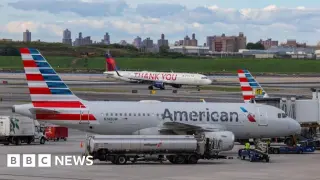
Hundreds of flights were delayed across New York, New Jersey, Pennsylvania, and Massachusetts on Monday after construction workers accidentally cut a telecommunications cable. The severed line, identified as a backup network, impacted the Terminal Radar Approach Control system used for guiding aircraft during takeoff and landing. US Transportation Secretary Sean Duffy confirmed the cable was repaired and operations resumed in the evening, though lingering delays were expected. The disruption occurred just before the UN General Assembly in New York City, where world leaders, including UK Prime Minister Andy Burnham, were scheduled to arrive. Newark Liberty International Airport was the most heavily affected hub, with 267 departing and 257 arriving flights delayed. While Duffy initially attributed the damage to Amtrak workers, NJ Transit later stated its own crews were responsible due to misplaced markers at the digging site. Verizon, the cable owner, stated it bore no responsibility for the incident.
President Trump announced on September 20 that his planned 250-foot triumphal arch in Washington, D.C., will be converted into a 'top grade military complex' to house drones, snipers, and ammunition. The change, cited as a response to a military request for national security, follows recent FAA approval but faces ongoing legal challenges from veterans and preservationists. Critics argue the site obstructs historic sightlines and poses safety risks near Reagan National Airport, while the administration maintains the project is necessary and compliant with federal standards.
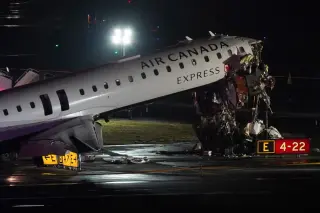
The Federal Aviation Administration is pursuing termination for two LaGuardia air traffic controllers who left their posts early the night of a fatal Air Canada Express crash. The incident, which killed two pilots and injured dozens, occurred when a jet collided with a fire truck on the runway. While the NTSB continues its investigation, the FAA is treating the early departure as timecard fraud, part of a broader crackdown on such practices nationwide.
The U.S. Department of Transportation reports that its campaign to recruit video gamers as air traffic controllers has resulted in over 2,000 hires, meeting 94% of its hiring goal. While officials praise the initiative for addressing a critical shortage, critics warn that the rapid onboarding of non-traditional candidates poses significant safety risks to aviation operations.
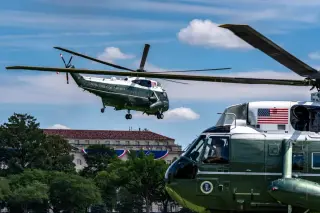
A commercial jet took off from Ronald Reagan National Airport while President Trump’s Marine One helicopter was approaching, resulting in a momentary loss of separation. The FAA is investigating the incident, which appears to violate safety protocols implemented after the 2025 midair collision. Officials state the aircraft moved apart quickly, and the president was not in danger.
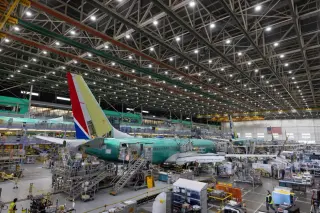
The U.S. Federal Aviation Administration said Boeing can resume self-certifying its jets as airworthy, signaling a return toward normal certification processes while maintaining ongoing FAA oversight to ensure safety.
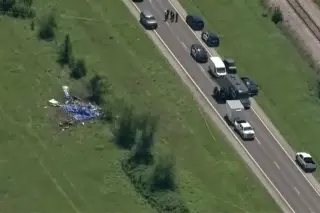
Twelve people died when a Skydive Kansas City skydiving plane crashed near Butler Memorial Airport shortly after takeoff. Authorities say the aircraft failed to gain altitude and struck the ground; a joint FAA–NTSB investigation is underway, with a Red Cross family center opened at the airport and favorable weather reported at the time.
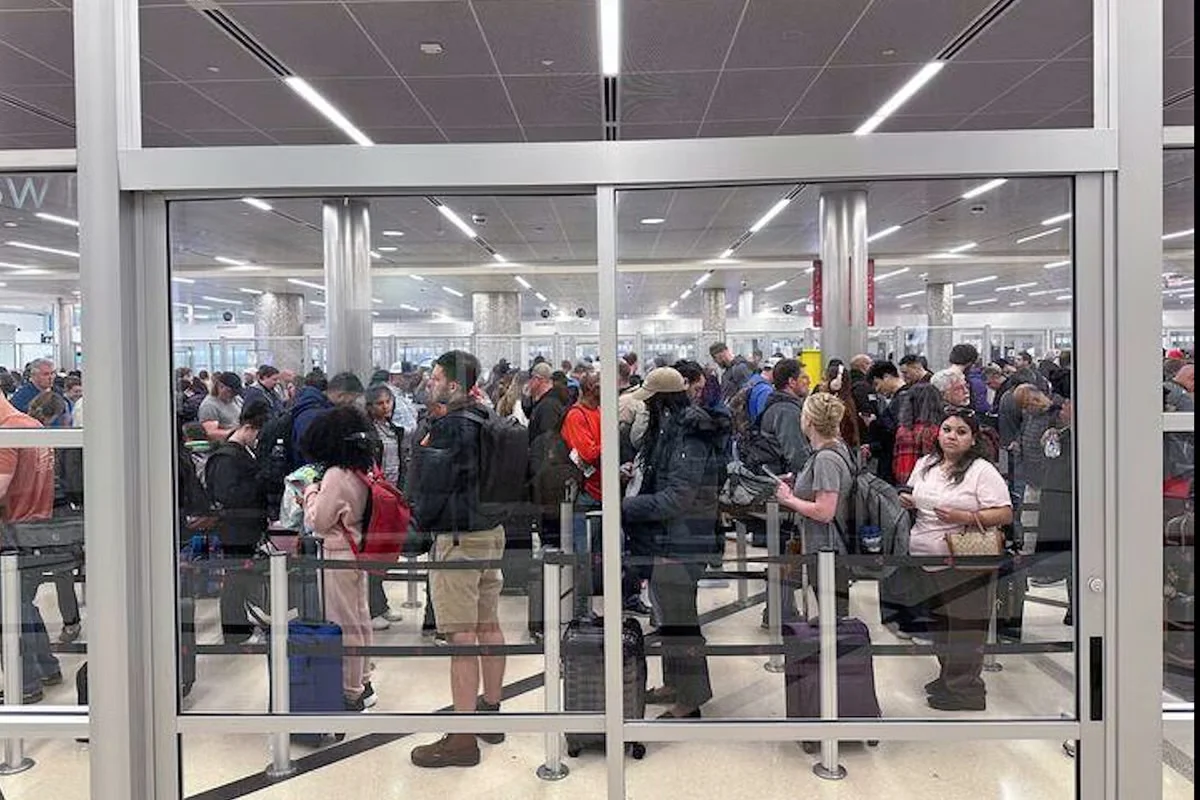
Storms along the eastern half of the United States, compounded by disruptions from a partial government shutdown that left TSA screeners unpaid, led to more than 12,500 flights canceled or delayed as security lines stretched and major hubs ordered ground stops.
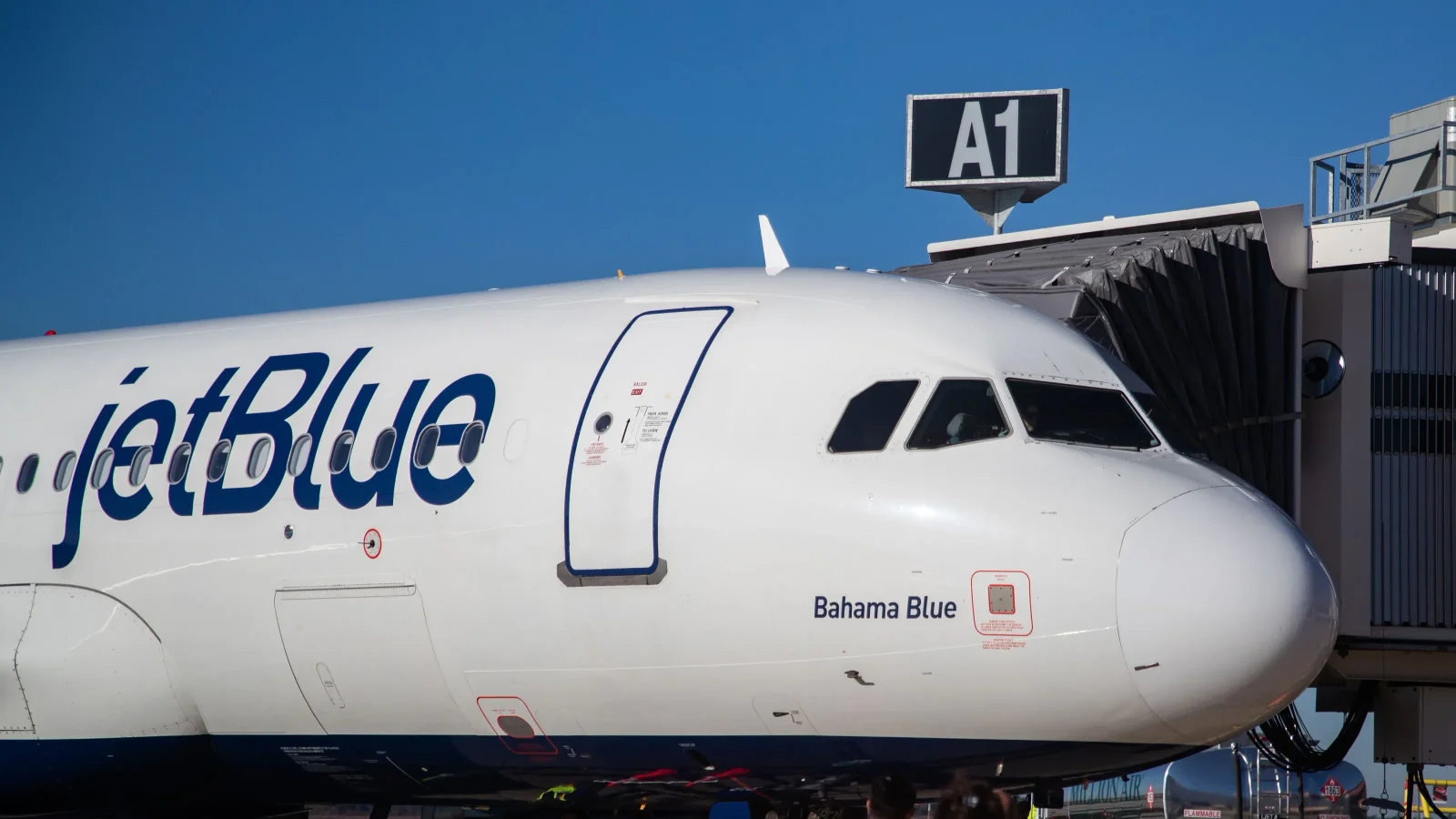
The FAA said JetBlue requested a ground stop at all destinations, a temporary flight halt used in aviation for safety, weather, or operations; JetBlue had no immediate comment, and no further details were provided.
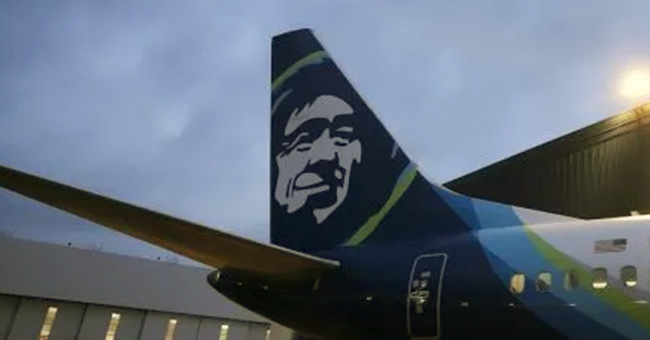
Alaska Airlines grounded all flights in the U.S. due to an issue with the system that calculates weight and balance, causing residual delays throughout the day, with zero cancellations and 20 delays reported at Portland International Airport. The Federal Aviation Administration confirmed that operations are back to normal after the ground stop was requested and then lifted by the airline.
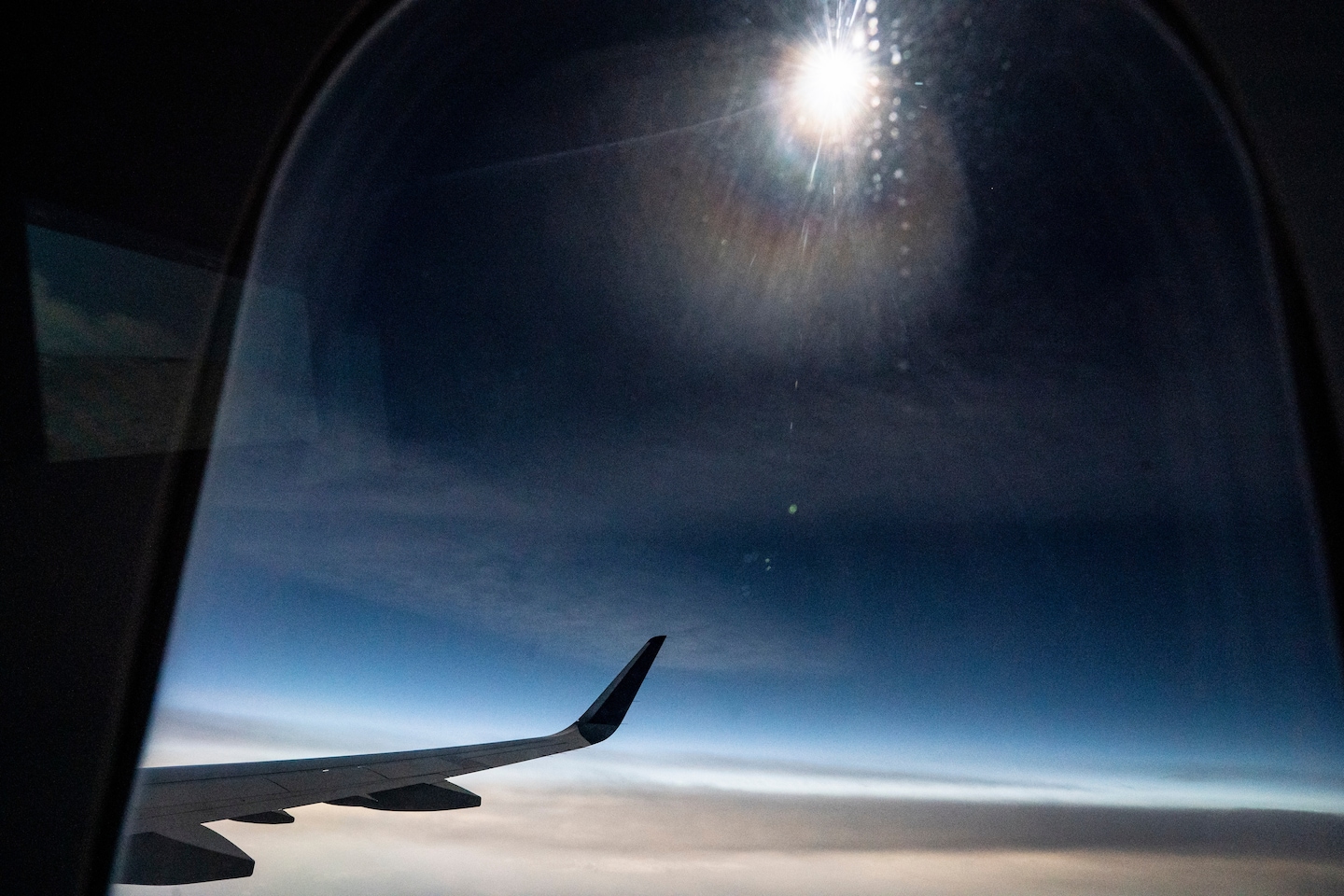
Delta Air Lines' special eclipse flight from Dallas to Detroit deviated from the path of totality due to air traffic control restrictions, causing passengers to miss a prime view of the total solar eclipse. The airline's Airbus A321neo flew in a circle at 33,000 feet to give both sides a look, but passengers didn't get the view they expected. Despite the disappointment, some passengers still enjoyed the experience, while others expressed frustration over the missed opportunity and financial investment.
A Southwest Airlines Boeing 737-800 bound for Houston returned to Denver International Airport after an engine cover fell off and struck a wing flap during takeoff. The plane landed safely, and no injuries were reported. Passengers were flown to Houston on another plane, arriving three hours behind schedule. The FAA is investigating the incident, and Boeing has been under scrutiny since a similar incident involving an Alaska Airlines plane in January.