
DOJ Indicts CEO for Smuggling $300M in Nvidia Chips to China
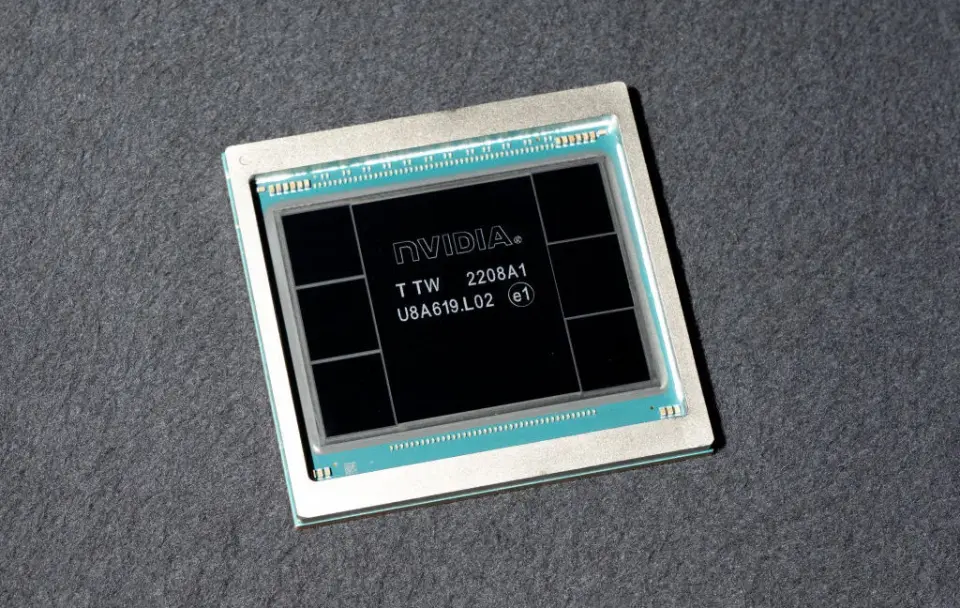
The US Department of Justice has indicted Greg Lui, CEO of Earthmade Computer, for allegedly smuggling over $300 million in export-controlled Nvidia GPUs to China. Prosecutors claim Lui used false paperwork and third-country rerouting via Malaysia and Singapore to bypass restrictions between 2023 and 2026. The case highlights ongoing tensions between US enforcement efforts and Nvidia’s stance on export compliance, with officials accusing the chipmaker of failing to flag suspicious shipments.
Key points
- Greg Lui, 38, faces charges for conspiring to violate export controls, smuggling, and money laundering, with a potential 50-year prison sentence if convicted.
- The alleged scheme involved diverting Nvidia A100 and H100 GPUs through Malaysia and Singapore to a firm in Hangzhou, China, using fraudulent documentation.
- Lui’s company reportedly received over $176 million from the operation, with specific shipments involving 70 and 92 servers traced to Chinese destinations.
- Nvidia maintains that less than 0.5% of its products are diverted, calling the issue insignificant compared to China’s domestic compute capacity.
- US officials criticize Nvidia for not flagging obvious red flags, such as facilities lacking space for ordered servers or using fake leases, and for continuing business with flagged entities like Megaspeed.
Background
This arrest follows a series of recent seizures and investigations into Nvidia chip smuggling, including a prior case involving a Taiwan-based manager and ex-Supermicro staff. It occurs amid broader US-China tensions over AI capabilities, where the Trump administration has relaxed some export controls while critics argue for stricter enforcement. Recent archive coverage noted China’s potential reopening of Nvidia imports and debates over AI safety and 'super intelligence' terminology, reflecting the complex geopolitical landscape surrounding advanced semiconductor trade.
How outlets are covering it
The DOJ and FBI emphasize the national security risks of advanced AI chips reaching China, citing specific evidence of fraudulent shipments and money laundering. In contrast, Nvidia downplays the scale of diversion, arguing that its products represent a negligible fraction of China’s AI infrastructure and that its compliance measures are sufficient. Bloomberg reports that US officials and industry experts believe Nvidia’s due diligence is inadequate, particularly in Southeast Asian hubs like Thailand, Malaysia, and Singapore, where shipments are often scrutinized. While the DOJ seeks asset seizure and prosecution, Nvidia defends its approach as supporting American innovation, rejecting calls for stricter self-regulation. The Guardian and CBS News focus on the legal penalties and the broader context of US efforts to maintain AI dominance, whereas Business Insider highlights the financial scale and the role of shell companies in the smuggling network.
Why it matters
The indictment underscores the ongoing struggle to enforce export controls on advanced AI technology, a critical component of US national security strategy. It reveals gaps in corporate compliance and the challenges of monitoring chip flows through third countries. The case may influence future policy debates on AI regulation and the balance between economic interests and security concerns, particularly as China accelerates its own AI development and the US grapples with the definition and risks of 'super intelligence'.
What to watch
Lui is scheduled for arraignment in federal court, where he will enter a plea. The DOJ may seek to seize assets gained from the alleged smuggling scheme. Meanwhile, US officials are likely to press Nvidia for stricter compliance measures, potentially leading to new regulations or enforcement actions. The case may also prompt further scrutiny of other companies and entities involved in AI chip exports, as the US seeks to close loopholes in its export control framework.
- US arrests tech CEO accused of smuggling $300M in Nvidia chips into China Ars Technica
- US arrests California man for allegedly smuggling $300m worth of computer servers to China The Guardian
- US man arrested over alleged $300 million scheme to smuggle Nvidia AI servers to China South China Morning Post
- LA County man accused of smuggling $300 million of computer servers to China CBS News
- California man smuggled $300 million in Nvidia chips to China, prosecutors say Business Insider
Want the full story? Read the original reporting
Read on Ars Technica