
Florida Mandates Removal of Flock Cameras from State Highways, Triggering Widespread Law Enforcement Pullbacks
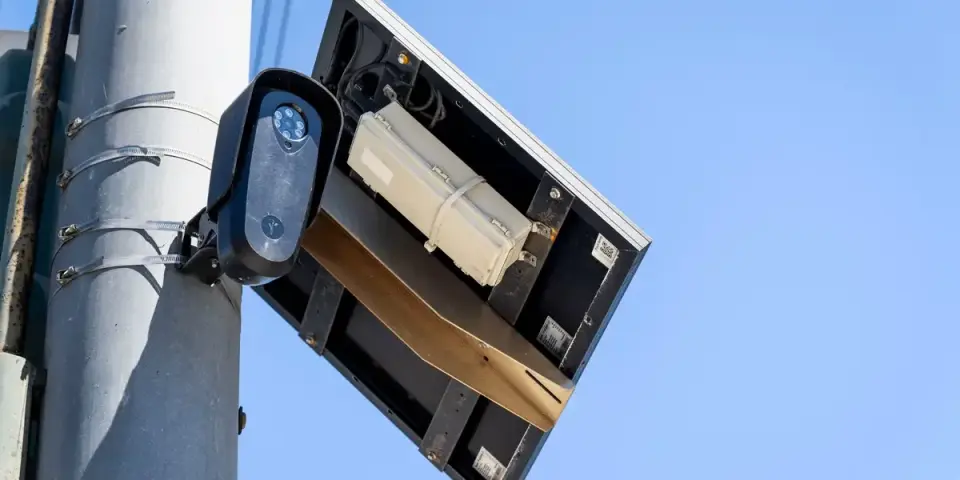
The Florida Department of Transportation has revoked permits for automated license plate readers on state highways, requiring removal within 30 days. This move follows Governor Ron DeSantis’s concerns about surveillance and follows a national backlash against Flock Safety’s technology. Multiple Florida sheriff’s offices, including Jacksonville and Leon County, have suspended use of the cameras, citing public trust and state directives, despite acknowledging their investigative value.
Key points
- FDOT revoked all permits for automated license plate readers on state rights-of-way, mandating removal within 30 days and halting new installations.
- Governor Ron DeSantis criticized the technology, warning against a 'digital AI surveillance state' where residents are tracked constantly.
- Sheriffs in Duval, Leon, Clay, Bradford, Nassau, Alachua, and Baker counties have suspended or discontinued use of Flock cameras, citing community concerns and state mandates.
- Flock Safety faced scrutiny for misreading plates, with one report indicating a 71% error rate in Roseville, California, leading to wrongful arrests.
- Some local agencies, like Clay County, highlighted specific cases where the technology helped locate missing persons and suspects, but agreed to pause use pending oversight reforms.
Background
This development follows a national trend of jurisdictions ending contracts with Flock Safety due to privacy concerns and data accuracy issues. Earlier in 2026, Texas paused state funding for Flock cameras amid similar backlash, while Los Angeles and Tempe, Arizona, also terminated their agreements. The current Florida action is part of a broader movement to restrict automated surveillance technologies in public spaces.
How outlets are covering it
Business Insider emphasizes the state-level mandate and the immediate compliance by multiple sheriff’s offices, highlighting the tension between investigative utility and public trust. The Tallahassee Democrat focuses on the suspension by Leon County Sheriff Walt McNeil, who called for accreditation standards and audits to ensure responsible use. News4JAX provides a detailed breakdown of local agency responses, noting that while some sheriffs acknowledge the technology’s value in solving crimes, they prioritize community concerns and state directives. All sources agree that Flock Safety has not responded to requests for comment, leaving the company’s stance on the Florida ban unclear.
Why it matters
The removal of Flock cameras from Florida’s state highways marks a significant shift in the use of automated surveillance technology in the US. It reflects growing public and political resistance to mass surveillance tools, particularly those with high error rates and privacy risks. The decision by multiple local agencies to suspend use, despite acknowledging their investigative benefits, indicates a prioritization of public trust and civil liberties over technological convenience in law enforcement.
What to watch
The 30-day removal deadline for FDOT permits is imminent. Local agencies that have not yet suspended use, such as St. Johns County, may face pressure to comply. Legislative action is anticipated in the spring to address the use of license plate readers on city and county roads, potentially codifying the current executive directives into law. Flock Safety may seek to negotiate or appeal the removal, but the current trend suggests a continued decline in the technology’s acceptance.
- Florida Orders Removal of Flock Cameras From State Highways Business Insider
- FDOT orders removal of license plate readers from state rights-of-way, highways WEAR-TV
- Leon sheriff halts use of controversial Flock cameras Tallahassee Democrat
- Northeast Florida law enforcement agencies cut ties with license plate reader use after FDOT’s directive News4JAX
- FDOT announces removal of Flock cameras amid privacy, misuse concerns NBC 6 South Florida
Want the full story? Read the original reporting
Read on Business Insider