
New York Enacts Strict AI Companion Rules for Minors
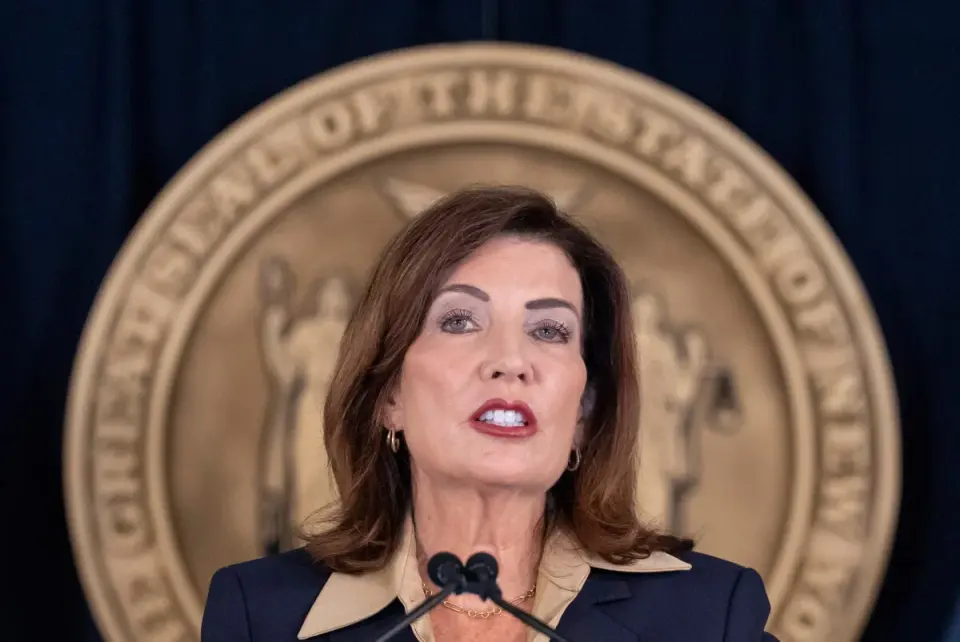
New York Governor Kathy Hochul signed legislation banning specific 'unsafe' AI companion features for users under 18, effective January 1, 2026. The law prohibits chatbots from simulating human relationships, displaying sexually explicit content, or encouraging secrecy and self-harm. Violations may result in lawsuits by the state attorney general, monetary damages, or forced shutdown of the service. This move follows similar actions in California and precedes a broader trend of state-level AI regulation amid federal inaction.
Key points
- Governor Kathy Hochul signed the bill on Wednesday, establishing a dozen definitions of prohibited AI companion behaviors for minors.
- Prohibited features include simulating real human emotions or relationships, using flattery, sharing sexually explicit material, and encouraging secrecy or unhealthy behaviors.
- The legislation mandates age verification methods that do not rely solely on government IDs, with data deletion requirements after verification.
- Penalties for non-compliance include financial damages, mandatory shutdown of the chatbot, and destruction of user data.
- The law takes effect on January 1, 2026, coinciding with increased scrutiny of AI impacts on youth mental health.
Background
This legislation follows a wave of state-level AI regulations, including California’s recent mandates for risk assessments and independent audits of chatbots used by children. It also aligns with broader international efforts, such as the European Commission’s proposed 'Kids Act,' which seeks to restrict social media and AI access for younger demographics. Recent high-profile lawsuits against AI companies, including coordinated actions by eight states against OpenAI, have highlighted concerns over deceptive practices and harm to minors, prompting states to act independently due to limited federal oversight.
How outlets are covering it
AP News emphasizes the legal severity of the new law, highlighting potential lawsuits and data destruction penalties, while framing it as part of a broader state-led regulatory push. WHEC.com provides additional detail on the specific prohibited behaviors, such as promoting suicide or eating disorders, and includes expert commentary from Nazareth University professor Dr. Erin Cole, who warns against personifying AI chatbots. WHEC also notes the concurrent signing of a separate bill requiring security features for internet-connected baby monitors, linking the two as part of a broader consumer protection package. Both sources agree on the law’s effective date and its role in addressing the growing use of AI companions among teens, but AP focuses more on the legislative context and federal inaction, while WHEC highlights specific technical requirements like age verification protocols.
Why it matters
The New York law sets a precedent for stricter AI governance at the state level, potentially influencing other states and federal policy. It addresses growing concerns about AI’s impact on child mental health and safety, as evidenced by high usage rates among teens and expert warnings about emotional attachment to chatbots. The law’s broad definitions and enforcement mechanisms may shape industry standards and legal precedents for AI safety in the coming years.
What to watch
The law takes effect on January 1, 2026, requiring AI companies to comply with new age verification and content restrictions. Other states may adopt similar frameworks as legislatures reconvene, potentially leading to a patchwork of state-level AI regulations. Federal action remains uncertain, but state initiatives may pressure Congress to address AI governance more comprehensively. Companies will need to adjust their chatbot designs and compliance measures to avoid legal penalties.
- New York enacts ban on 'unsafe' chatbot behavior with kids as states push AI regulation boundaries AP News
- Bills on explicit AI chatbot features and baby monitor safety signed into NY State law WHEC.com
- Hochul signs AI chatbot and baby monitor regulations NEWS10 ABC
- Gov. Hochul Signs AI Chatbot and Baby Monitor Safety Laws WKTV
- 'As New York’s mom Governor, I’m taking action': Kathy Hochul bans bots from cozying up to kids, cracks down on baby monitors Fortune
Want the full story? Read the original reporting
Read on AP News