
U.S. Communities Reject AI Data Centers Despite National Push for Expansion
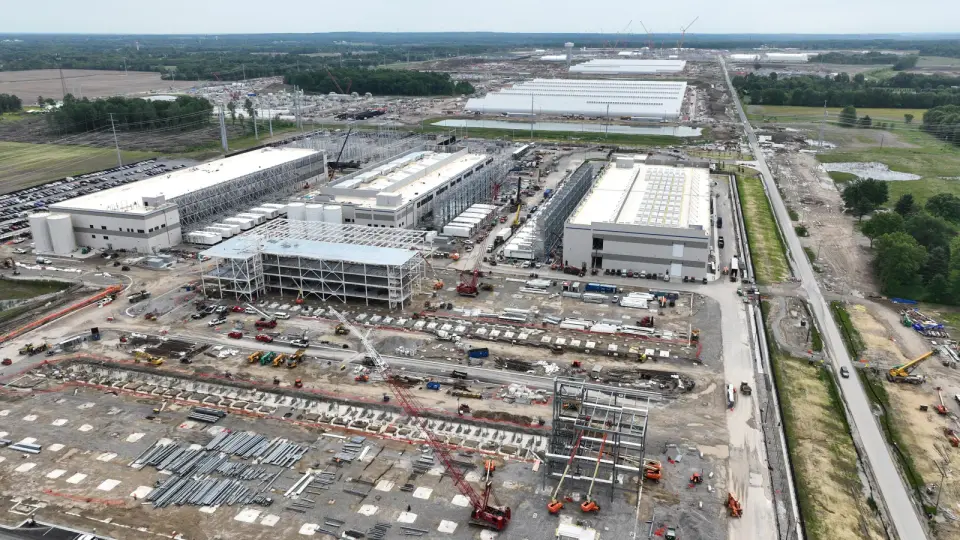
American public opinion strongly opposes local data center construction despite widespread AI usage, creating a political crisis for the Trump administration. While the White House pushes for rapid expansion to maintain U.S. competitiveness, local communities are blocking projects over concerns regarding water usage, energy costs, and lack of transparency. This tension is intensifying as midterm elections approach, with both Democratic and Republican officials facing pressure to balance economic incentives against community backlash.
Key points
- 70% of Americans oppose data centers near their communities, according to a May Gallup poll, even though over half use AI chatbots regularly.
- Data centers have grown to millions of square feet, consuming up to 5 million gallons of water daily, equivalent to a town of 10,000-50,000 people.
- Local opposition has disrupted at least 75 data center projects worth $130 billion in the first quarter of 2026, the largest single-quarter block on record.
- The Trump administration is fast-tracking permits and federal land use for data centers, while simultaneously acknowledging the need for facilities to pay for their own utilities.
- Political figures across parties are shifting positions; Pennsylvania Gov. Josh Shapiro and Texas Gov. Greg Abbott have introduced stricter requirements or pauses on development amid constituent concerns.
Background
Data centers have existed since the 1940s, but the current wave of AI-focused facilities is orders of magnitude larger than previous iterations. Earlier coverage noted that Berkshire Hathaway CEO Greg Abel acknowledged growing community resistance, while rural Texas voters began souring on Governor Greg Abbott over data center expansion and power grid plans. The current debate represents a significant escalation from previous local zoning disputes to a national political issue affecting both parties.
How outlets are covering it
USA Today emphasizes the environmental and local impact, highlighting water usage and the disconnect between AI adoption and infrastructure acceptance. Politico frames the issue as a political crisis for the Trump administration, noting that while the White House pushes for expansion, polling shows significant public opposition that could impact midterm elections. City Journal argues that data centers offer better economic deals than other industrial projects, comparing them to manufacturing plants that also bring jobs and tax revenue, and suggests the opposition is perplexing given the economic benefits. WLOS provides a poll question on public opinion but offers no substantive analysis.
Why it matters
The conflict between national AI strategy and local community interests could stall the AI boom if data center expansion is delayed. The political implications are significant, as both parties face pressure to balance economic development with environmental and social concerns. The outcome of this debate will influence future infrastructure policy, energy regulation, and the pace of AI adoption in the U.S.
What to watch
Expect continued local opposition and potential moratoriums as communities demand greater transparency and environmental safeguards. The Trump administration is likely to maintain its push for fast-tracked permits, but may face increasing political pressure to address community concerns. Midterm elections will test the political viability of data center expansion, with both parties potentially adjusting their positions based on voter sentiment.
- It's time for you to start caring about data centers. Here's why USA Today
- Americans love AI. They don’t want the data centers that power it. Politico
- How data centres became one of America’s hottest political issues economist.com
- VOTE: Do you think construction of new data centers is good for the country? WLOS
- Why Opposition to Data Centers Is Perplexing City Journal
Want the full story? Read the original reporting
Read on USA Today