
AI Industry Faces Political Backlash as Data Centers Become Midterm Election Liability
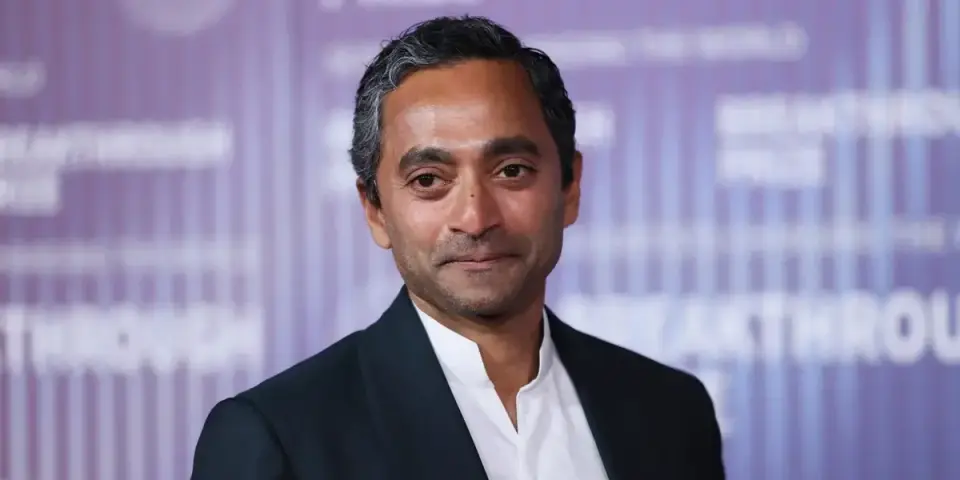
Venture capitalist Chamath Palihapitiya warns that growing public opposition to AI data centers could cost the industry 200-300 basis points of annual GDP. A National Republican Senatorial Committee memo highlights how data center backlash is threatening Republican incumbent Jon Husted in Ohio, prompting state-level restrictions in Texas and Pennsylvania. While the White House defends data centers as job creators, critics argue the industry has failed to address community concerns over energy costs and environmental impact, turning infrastructure into a political liability.
Key points
- Chamath Palihapitiya calls data center backlash a 'powder keg' that could unwind 200-300 basis points of annual GDP if it spreads.
- NRSC memo warns that data center opposition is a key issue in Ohio's Senate race, where Democrat Sherrod Brown is attacking Republican incumbent Jon Husted.
- Texas Governor Greg Abbott ordered a pause on data center development pending grid audits, while Pennsylvania Governor Josh Shapiro imposed strict standards requiring developers to pay for infrastructure.
- Trump defended data centers as job creators but acknowledged the industry needs 'public relations help' to address public concerns.
- Pew Research Center found over half of Americans are more concerned than excited about AI, up from 37% in 2021.
Background
This backlash builds on earlier trends noted in our archive, including a University of Pennsylvania Annenberg poll showing bipartisan opposition to new data centers surged to 61% in four months, and local protests in Salem, Oregon, that led to moratoriums on new projects. The current political crisis represents an escalation from local opposition to national midterm election implications.
How outlets are covering it
Business Insider emphasizes the economic risk, citing Palihapitiya's warning about GDP impact and the industry's failure to communicate benefits. CNBC highlights the cross-partisan nature of the backlash, noting that both Democratic and Republican governors are responding to voter concerns, while also covering satirical campaigns like Liquid Death's 'pee to cool data centers' ad. The Washington Post focuses on the political consequences, detailing the NRSC memo's warning that data centers could cost Republicans their Senate majority. Mother Jones contrasts Trump's defense of data centers with the NRSC's cautious stance, noting the tension between the administration's pro-tech position and the party's electoral concerns. All sources agree that data centers have become a potent political issue, but they differ in emphasis: Business Insider and CNBC focus on industry response and public sentiment, while The Washington Post and Mother Jones focus on political consequences and party strategy.
Why it matters
The backlash against data centers threatens to reshape AI infrastructure development across the US, potentially slowing the industry's expansion and affecting economic growth. As data centers become a central issue in midterm elections, politicians from both parties are being forced to address community concerns over energy costs, environmental impact, and job creation. This political pressure could lead to stricter regulations and slower approval processes for new data centers, impacting the AI industry's ability to scale its operations. The crisis also highlights a broader trust deficit between the tech industry and the public, which could have long-term implications for AI adoption and regulation.
What to watch
The AI industry is expected to intensify its public relations efforts to address community concerns, with companies like Microsoft and OpenAI already making pledges to pay for infrastructure and invest in local jobs. Politicians may continue to impose restrictions or moratoriums on data center development, particularly in states with competitive midterm races. The NRSC may push for a more cautious party stance on data centers to avoid electoral losses, while the White House may continue to defend data centers as job creators. Public opinion may continue to shift as more voters become aware of the environmental and economic impacts of data centers, potentially leading to further political backlash and regulatory changes.
- Chamath Palihapitiya says data center backlash is a 'powder keg' that AI leaders must defuse Business Insider
- AI data center outrage is showing up everywhere from ads to elections CNBC
- Ties to data centers could cost Ohio Sen. Jon Husted his seat, memo warns The Washington Post
- Republicans Are Realizing That No One Wants Data Centers Mother Jones
- Voters Aren’t Waiting for November to Try Ousting Officials Over Data Centers The New York Times
Want the full story? Read the original reporting
Read on Business Insider