
DeFlock Maps and Bipartisan Backlash Highlight Flock Surveillance Controversy
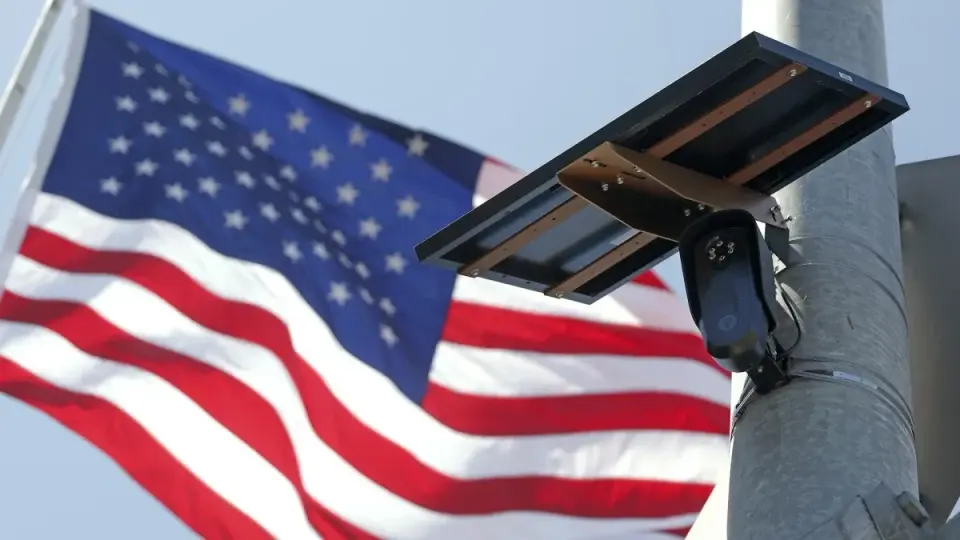
A new crowdsourced map, DeFlock Maps, reveals the widespread presence of Flock Safety’s automated license plate readers (ALPRs) across the U.S. The tool, which tracks over 128,000 devices, has coincided with a surge in local jurisdictions canceling Flock contracts. While Flock defends its network as essential for public safety, critics and bipartisan local officials argue the technology poses severe privacy risks, particularly regarding data sharing with federal agencies and potential misuse in immigration enforcement.
Key points
- DeFlock Maps, a crowdsourced app powered by OpenStreetMap, has identified 128,988 surveillance devices, with 82% belonging to Flock Safety.
- Over 20 local jurisdictions moved to cancel Flock contracts in July 2026, the highest monthly number since tracking began in 2021.
- Flock Safety claims to have over 120,000 cameras across 49 states, partnering with more than 7,000 law enforcement agencies.
- Local officials from both political parties have expressed concerns that ALPR data could be used to track individuals visiting sensitive locations, such as medical care centers or places of worship.
- Flock Safety states it has paused federal pilot programs with agencies like ICE and DHS following public backlash, though it maintains that local agencies control data access.
Background
Flock Safety has been a subject of growing public scrutiny since 2025, with earlier reports highlighting concerns over data privacy and the potential for surveillance overreach. Recent developments, including the launch of DeFlock Maps, have intensified the debate by making the infrastructure visible to the general public. This follows a period of increased activism and legal challenges regarding the use of automated license plate readers in the United States.
How outlets are covering it
Mashable emphasizes the utility of DeFlock Maps as a tool for 'surveillance transparency,' highlighting the sheer volume of Flock cameras mapped. In contrast, Politico focuses on the political dimension, noting that opposition to Flock has become bipartisan, with local officials from both parties citing privacy concerns and fears of federal data sharing. Flock Safety, through its spokesperson, counters that the backlash is limited and that removing these cameras hinders public safety, claiming that for every city that cancels a contract, seven new cities partner with Flock. While Mashable notes the app's privacy-friendly design, Politico highlights the broader societal fears regarding the expansion of surveillance technology beyond traditional policing.
Why it matters
The proliferation of automated license plate readers raises significant questions about privacy, consent, and the balance between public safety and civil liberties. The availability of DeFlock Maps empowers citizens to identify surveillance infrastructure in their communities, potentially leading to increased accountability and policy changes. The bipartisan nature of the opposition suggests that concerns over mass surveillance are becoming a mainstream political issue, influencing local governance and federal policy discussions.
What to watch
Expect continued pressure on local jurisdictions to review and potentially cancel Flock contracts as public awareness grows. Flock Safety may face increased legal and regulatory scrutiny regarding data sharing practices. The development of counter-surveillance technologies, such as the 'noRecognition' car wraps mentioned in previous reports, may also gain traction as a response to the expanding surveillance network.
- This map shows how many Flock cameras are in your neighborhood Mashable
- Flock Cameras Can Track Every Car in America. Police Love Them. Citizens Don’t. The New York Times
- 'Americans just don't want to be surveilled': Growing backlash against North Texas Flock cameras KERA News
- Baton Rouge police credit license plate cameras with helping solve crimes WBRZ
- ‘Work boots and Subarus’: Local officials say the backlash against Flock cameras is becoming bipartisan Politico
Want the full story? Read the original reporting
Read on Mashable