
Route 66 Centennial Draws Global Tourists to a Fragmented American Icon
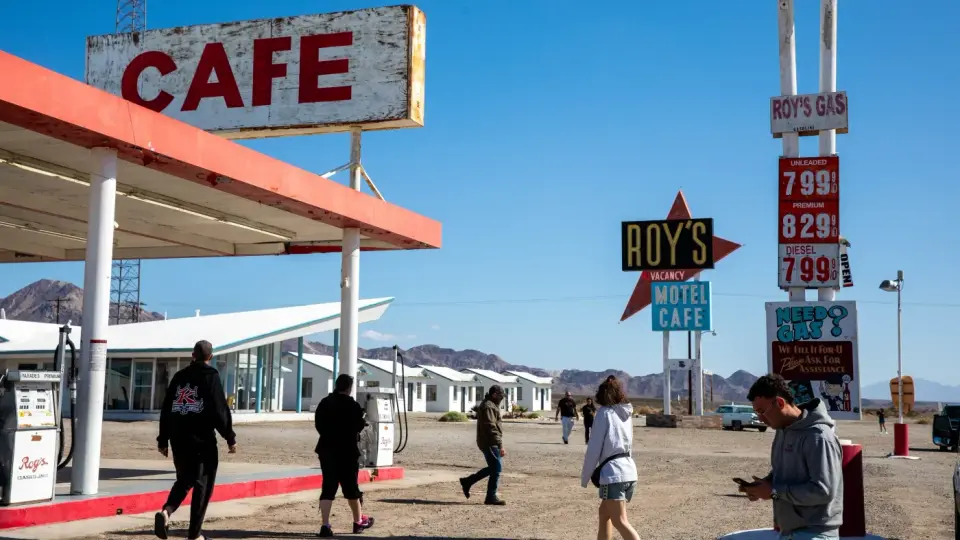
As Route 66 marks its 100th anniversary in 2026, the historic highway is experiencing a surge in international tourism. A 2024 study indicates that foreign travelers are more likely than domestic ones to drive the entire 2,500-mile route from Chicago to Santa Monica. While the road remains a cultural magnet for visitors from Australia, New Zealand, and Europe, its physical infrastructure is fragmented, with many sections now unpaved or obsolete due to the interstate system. Local businesses report high international attendance, though some towns face economic decline. The centennial highlights the tension between the road's nostalgic appeal and its current state as a patchwork of disconnected segments.
Key points
- International travelers, particularly from Australia and New Zealand, are driving the full length of Route 66 at higher rates than U.S. residents, according to a 2024 SMARInsights study.
- The highway, spanning roughly 2,400 to 2,500 miles across eight states, was officially removed from the federal system in 1985, leaving many sections as unpaved or disconnected roads.
- Tour operators like Gilligans Tours report that 60-70% of visitors to key stops like The Wigwam Motel in San Bernardino are international.
- Fox News highlights 10 key stops, including Chicago, Springfield, Missouri, and Santa Monica, emphasizing the road's role in preserving mid-20th-century American culture.
- KOAT notes that Route 66 historically transformed communities like Los Ranchos, New Mexico, by introducing general stores, motor lodges, and cultural exchanges, though the route was rerouted in 1937.
Background
Route 66, known as the 'Mother Road,' was established in 1926 to connect Chicago with Los Angeles. It became a symbol of American mobility during the Dust Bowl and post-WWII travel boom. The construction of the Interstate Highway System in the 1950s and 1960s rendered much of Route 66 obsolete, leading to its removal from the federal highway system in 1985. Despite this, the road has retained cultural significance, often associated with kitschy Americana, neon signs, and vintage diners. Recent years have seen a resurgence in interest, driven by pop culture and a desire for nostalgic travel experiences.
How outlets are covering it
NPR emphasizes the human element of international tourism, highlighting specific travelers from New Zealand and Australia who are drawn to the road's nostalgic and kitschy aspects. They note the physical challenges of the fragmented route, including gravel roads, and the economic impact on local businesses. Fox News focuses on the logistical and historical aspects, providing a detailed guide to 10 key stops and emphasizing the road's role in preserving American history and culture. They highlight the communities along the route and the nostalgia associated with the road. KOAT provides a historical perspective, focusing on the impact of Route 66 on specific communities like Los Ranchos, New Mexico, and how the road introduced cultural and economic changes. They note the road's rerouting in 1937 and its lasting legacy in the community. LAist, while primarily focused on a different story, includes a brief mention of the Route 66 centennial, reinforcing the international interest in the highway.
Why it matters
The centennial of Route 66 highlights the enduring cultural significance of the highway in American history and its ability to attract international tourists. It underscores the tension between the road's nostalgic appeal and its current physical state, as well as the economic impact on local communities. The surge in international tourism suggests a global interest in American cultural heritage and the unique experiences offered by the road. Additionally, the fragmented nature of Route 66 raises questions about preservation and the future of the highway as a tourist destination.
What to watch
As the centennial year progresses, more international tourists are expected to travel Route 66, potentially boosting local economies along the route. Efforts to preserve and promote the highway may continue, with a focus on maintaining its cultural and historical significance. The fragmented nature of the road may lead to further discussions about its preservation and the feasibility of restoring certain sections. Local businesses and tour operators may continue to adapt to the changing landscape of Route 66, focusing on the unique experiences offered by the road and its communities.
- Route 66 is an American icon. That's why international tourists love it NPR
- Relive golden age of American road trips at these 10 classic Route 66 stops Fox News
- New Hud rule LAist
- Route 66’s impact on Los Ranchos: A history shaped by the Mother Road KOAT
- A Storied Walk Along Route 66, Santa Monica Boulevard L.A. Material
Want the full story? Read the original reporting
Read on NPR