
Judge bars USDA secretary from sending Christian holiday emails to staff
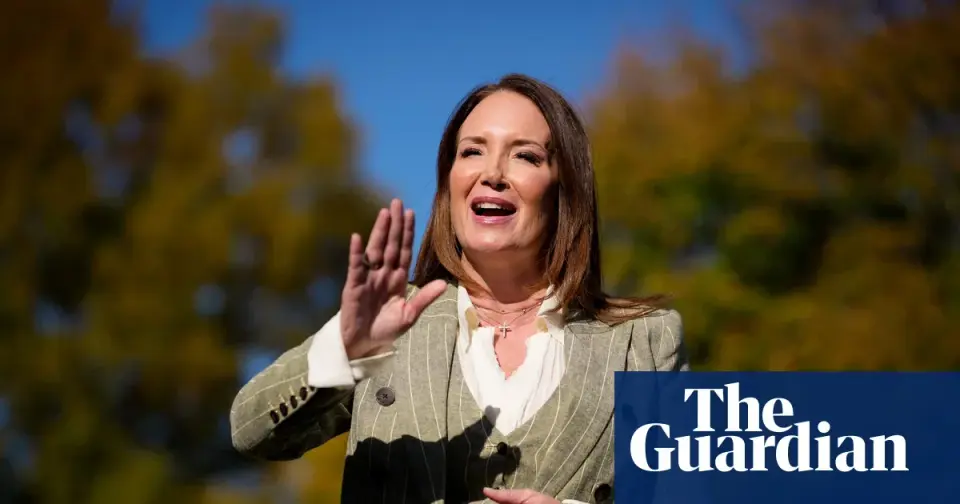
A federal judge ruled that Agriculture Secretary Brooke Rollins violated the First Amendment by sending explicitly Christian holiday messages to 100,000 USDA employees via official channels. The court issued a preliminary injunction prohibiting Rollins from using her official authority to proselytize, citing coercive pressure and the exclusion of other faiths. While the judge acknowledged Rollins's right to personal religious expression, the ruling emphasized that government officials cannot use their position to pressure subordinates to conform to their beliefs.
Key points
- Judge Trina Thompson ruled that Rollins's emails violated the Establishment Clause by exploiting her position of authority to convey religious messages beyond mere holiday wishes.
- The court issued a preliminary injunction requiring Rollins to stop sending faith-laden emails if a colleague asks, and prohibiting her from creating a hostile work environment through persistent unwelcome advances.
- Rollins sent four holiday-related emails, including Christmas and Easter messages that explicitly referenced Jesus Christ and Christian doctrine, but did not send messages commemorating holidays from other religions.
- The lawsuit was brought by six USDA employees and the National Federation of Federal Employees, with support from Americans United for Separation of Church and State and Democracy Forward.
- The judge emphasized that Rollins could still discuss her faith with interested colleagues in appropriate conversations, but must not use official authority to pressure subordinates.
Background
This ruling follows earlier coverage of Rollins's public displays of Christian faith, including social media posts and participation in Bible study groups with other Trump administration Cabinet members. The case also comes amid broader national debates on religious expression in government, including Pope Leo XIV's recent denunciation of religious justifications for war and the Vatican's humanitarian efforts in Ukraine.
How outlets are covering it
The Guardian and The New York Times both emphasized the coercive nature of Rollins's emails, with the latter noting that the judge described the messages as going 'too far' by exploiting her position of authority. The Hill focused on the legal precedent, highlighting the judge's statement that the Establishment Clause prohibits the government from using its authority to sway an individual's decision about faith. All three outlets noted the lack of response from the USDA, while The New York Times and The Hill highlighted statements from plaintiffs' lawyers praising the ruling as a check on the Trump administration's use of taxpayer resources for religious promotion.
Why it matters
The ruling sets a precedent for the limits of religious expression by government officials in official communications, reinforcing the separation of church and state in federal workplaces. It also highlights ongoing tensions between religious freedom and government neutrality, particularly in the context of the current administration's emphasis on Christian values.
What to watch
The USDA may appeal the ruling or seek to modify the injunction, while Rollins may adjust her communication practices to comply with the court's orders. The case could also prompt further scrutiny of religious expression by other government officials and influence future legislation on workplace religious expression.
- Religious messages US agriculture secretary emailed to staff deemed unconstitutional The Guardian
- Agriculture Secretary’s Christian Messages to Staff Went ‘Too Far,’ Judge Says The New York Times
- Judge says Rollins’s religious holiday messages likely violated First Amendment The Hill
- Federal judge blocks USDA secretary's Christian notes to agency workers Politico
- Judge orders US agriculture chief to stop sending religious emails from official account Reuters
Want the full story? Read the original reporting
Read on The Guardian