
Lindsay Clancy Jury Fails to Reach Verdict After Three Days of Deliberations
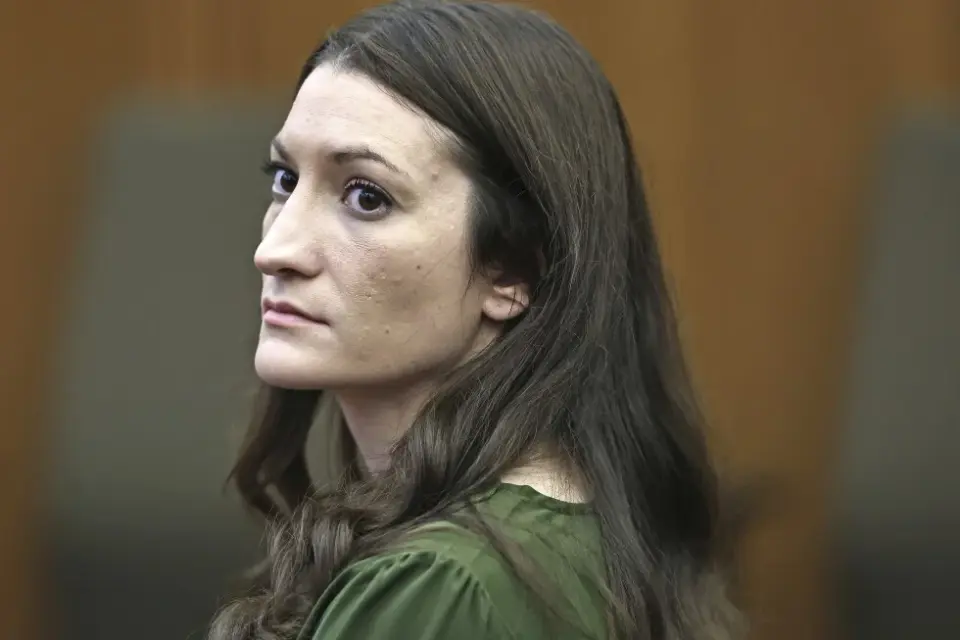
The jury in the trial of Lindsay Clancy, who is accused of killing her three children in January 2023, failed to reach a verdict after three days of deliberations. Judge William Sullivan dismissed the jurors on Monday afternoon, with deliberations set to resume on Tuesday. The defense argues Clancy suffered from postpartum psychosis, while prosecutors contend she knowingly killed her children to end her own misery. The case has drawn significant media attention, with the defense criticizing sensationalist coverage by figures like Nancy Grace and Sean Hannity.
Key points
- Judge William Sullivan sent the 12-member jury (nine women, three men) home shortly before 4 p.m. on Monday without a verdict after nearly 17 hours of deliberations over three days.
- Deliberations are scheduled to resume at 9 a.m. on Tuesday. The jury has been weighing testimony and 300 exhibits from the trial.
- Clancy is charged with three counts of first-degree murder for the deaths of her children, Cora (5), Dawson (3), and Callan (8 months), on January 24, 2023.
- The defense, led by attorney Kevin Reddington, argues Clancy was suffering from postpartum psychosis and heard a voice commanding her to kill her children and herself.
- Prosecutors, including Assistant District Attorney Jennifer Sprague, argue Clancy was suicidal and killed her children to remove what they described as a 'protective factor' preventing her from ending her own life.
- Jurors may consider lesser-included offenses of second-degree murder or manslaughter, or find Clancy not guilty by reason of lack of criminal responsibility, which could lead to a mental health commitment.
Background
The Lindsay Clancy trial has been a high-profile case in Massachusetts, with the jury deliberating for three days without reaching a verdict. The defense has consistently argued that Clancy was suffering from postpartum psychosis, while prosecutors have contended that she acted with intent. The case has drawn significant media attention, with the defense criticizing sensationalist coverage by figures like Nancy Grace and Sean Hannity. The jury has been weighing testimony and 300 exhibits from the trial, and deliberations are set to resume on Tuesday.
How outlets are covering it
The primary source, AP News, reports that the jury failed to reach a verdict after three days of deliberations, with Judge William Sullivan dismissing the jurors on Monday afternoon. The secondary source, Boston.com, provides additional details, including the defense's criticism of media coverage by Nancy Grace and Sean Hannity, and the specific internet searches Clancy made, which focused on methods of suicide. Both sources agree on the basic facts of the case, but Boston.com provides more detail on the defense's arguments and the media's role in the case. The AP News article is more focused on the jury's deliberations, while Boston.com provides a broader perspective on the case and the media's coverage.
Why it matters
The Lindsay Clancy trial is a high-profile case that has drawn significant media attention and public interest. The case raises important questions about postpartum mental health, the legal system's handling of mental illness, and the role of media in shaping public opinion. The outcome of the trial could have implications for how similar cases are handled in the future, and the media's coverage of the case has sparked debate about the ethics of reporting on sensitive topics. The case also highlights the challenges faced by women with postpartum mental health issues and the importance of access to mental health care.
What to watch
The jury is expected to resume deliberations on Tuesday at 9 a.m. The case is likely to continue for several more days, with the jury weighing the evidence and testimony from the trial. The outcome of the trial could have significant implications for Lindsay Clancy, who faces life without parole if found guilty of first-degree murder. The case is also likely to continue to draw media attention and public interest, with the defense and prosecution likely to continue to argue their respective cases. The case could also have implications for how similar cases are handled in the future, and the media's coverage of the case could spark debate about the ethics of reporting on sensitive topics.
- No verdict after 3 days of deliberations in the Lindsay Clancy trial over the killing of her kids AP News
- Jury sent home after another day of deliberations with no verdict in Lindsay Clancy case The Boston Globe
- Lindsay Clancy trial: Jury fails to reach verdict on third day of deliberations Boston.com
- Lindsay Clancy triple murder case: Jury watch Day 3 The Patriot Ledger
- Opinion | Justice for the ‘Killer Mom’ WSJ
Want the full story? Read the original reporting
Read on AP News