
Trump Declines Lindsay Clancy Pardon Plea, Citing State Jurisdiction Limits
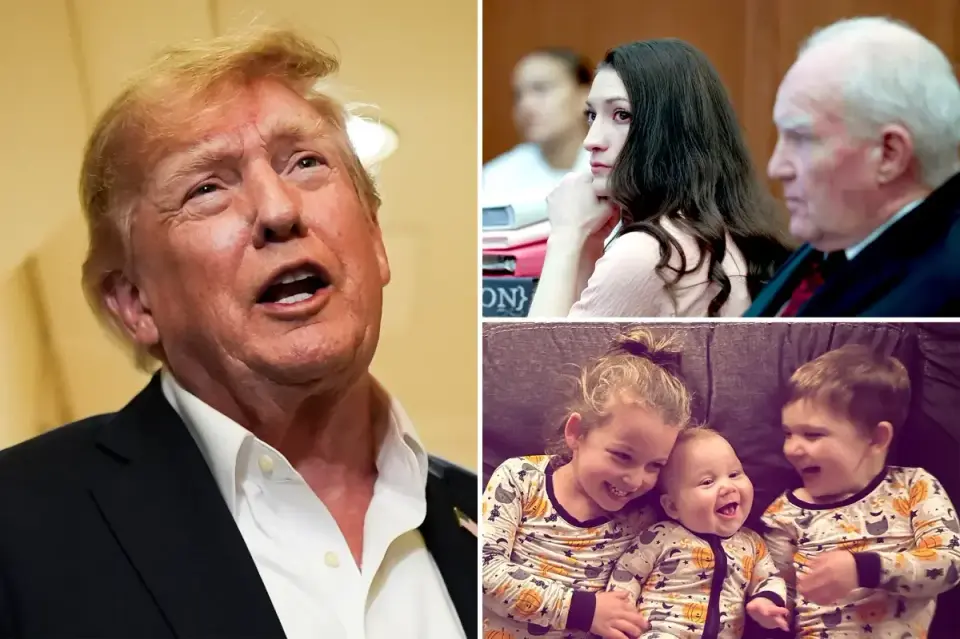
President Trump stated he cannot pardon Lindsay Clancy, the mother accused of killing her three children, because the case involves state charges rather than federal ones. Defense attorney Kevin Reddington had publicly requested a pardon after a hung jury resulted in a mistrial, but Trump emphasized the legal limitations of his office in this matter.
Key points
- President Trump indicated he will not grant a presidential pardon to Lindsay Clancy, citing that the case is a state matter, not a federal one.
- Clancy’s defense attorney, Kevin Reddington, had appealed to the president on 'Good Morning America' and CBS Boston, asking for intervention due to Clancy’s character and mental health history.
- The original trial ended in a mistrial on September 4 after a single juror refused to find Clancy not guilty by reason of insanity.
- Reddington acknowledged that while Trump lacks legal authority to pardon state charges, the president possesses significant political influence that could affect prosecutorial decisions regarding a potential retrial.
- Clancy, 36, is accused of strangling her three children, Cora, Callan, and Dawson, in their Massachusetts home in 2023, with her defense arguing she suffered from severe postpartum psychosis.
Background
This development follows a series of reports in early September 2026 regarding the mistrial of Lindsay Clancy. Previous coverage highlighted the legal constraints of presidential pardons in state cases and the ongoing debate over Clancy’s mental health status. The case had entered a period of renewed scrutiny after the jury deadlock, with discussions focusing on whether prosecutors would seek a retrial or negotiate a plea deal. Clancy remains in a Massachusetts state psychiatric facility, and the legal team has emphasized her claims of postpartum psychosis as a central defense strategy.
Why it matters
The case underscores the strict legal boundaries of presidential power, specifically the inability to intervene in state-level criminal proceedings. It also highlights the complex intersection of high-profile criminal trials, mental health defenses, and public pressure on the executive branch. The outcome will likely influence how similar cases involving state charges and mental health defenses are handled in the future, as well as the potential for political influence to shape prosecutorial discretion in retrials.
What to watch
Prosecutors in Massachusetts are expected to weigh whether to retry Lindsay Clancy for the murder of her three children. The decision may be influenced by political pressure, including any informal intervention from the White House, despite the lack of legal authority for a pardon. A pretrial date was previously set for September 29, and the case may proceed to a new trial or be resolved through a negotiated plea deal.
Want the full story? Read the original reporting
Read on New York Post