
Unsealed Records Reveal Informant Linked to O.J. Simpson Case
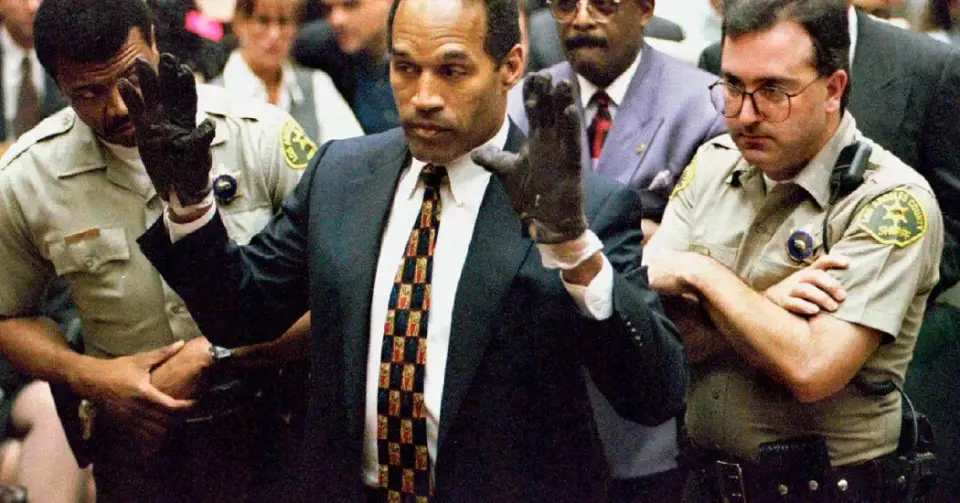
Newly unsealed 30-year-old records reveal that a secret informant, described as 'extremely reliable,' told authorities about the missing murder weapon in the O.J. Simpson case. The informant’s brother claims the sibling was present at the crime scene. This development adds to the long-standing mystery surrounding the 1995 double murder of Nicole Brown Simpson and Ron Goldman.
Key points
- A federal judge unsealed 30-year-old records related to the O.J. Simpson case.
- The records indicate a secret informant provided information about the missing murder weapon.
- The informant was described as 'extremely reliable' by authorities.
- The informant’s brother claims his sibling was at the crime scene.
- O.J. Simpson had previously discussed a 'hypothetical' confession in a 2006 meeting.
Background
The 1995 murder trial of O.J. Simpson for the deaths of his ex-wife, Nicole Brown Simpson, and her friend, Ron Goldman, was one of the most high-profile cases in U.S. history. Simpson was acquitted in the criminal trial but later found liable in a civil suit. The case has remained a subject of public interest and speculation for decades, with various theories and new evidence emerging over the years. The unsealing of these records adds a new dimension to the ongoing mystery.
Why it matters
The unsealing of these records could provide new insights into the 1995 double murder case, which has remained a subject of public interest and speculation for decades. The information about the secret informant and the missing murder weapon could potentially shed light on the circumstances surrounding the crime and the investigation that followed.
What to watch
The unsealing of these records may lead to further investigation or public discussion about the O.J. Simpson case. It could also prompt new questions about the role of the secret informant and the missing murder weapon in the case. The development may also lead to new legal or public interest in the case.
Want the full story? Read the original reporting
Read on The New York Times