
USDA releases 1982 Forest Service files assessing Bigfoot tracks as likely hoax
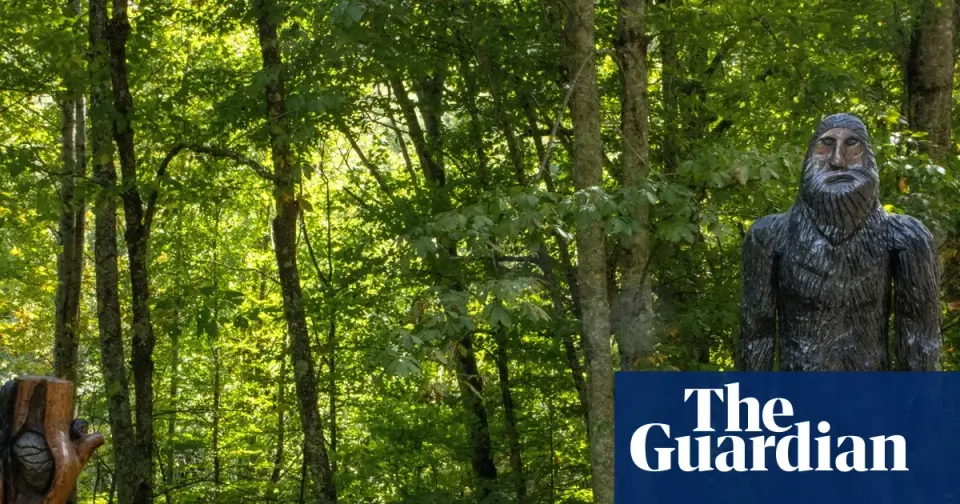
The US Department of Agriculture released three historical documents on October 15, 2026, detailing past Bigfoot-related inquiries. The primary file is a 1982 Forest Service investigation in Oregon’s Umatilla National Forest, where wildlife biologist Rodney Johnson assessed large footprints in the Mill Creek watershed. Johnson concluded the tracks were likely a hoax due to inconsistencies in stride and depth, though he noted the effort required to fake them. The other two documents are a 2003 newspaper clipping from Montana and a 1949 personal account from Leo Kinney regarding an elk carcass mystery. The release does not provide scientific evidence for the existence of Bigfoot.
Key points
- The USDA added three Bigfoot-related records to its FOIA Reading Room on October 15, 2026.
- The 1982 Oregon investigation found six to 18 prints across two sites, with some measuring 15 inches long.
- Wildlife biologist Rodney Johnson cited inconsistent stride lengths and shallow impressions as evidence against a Bigfoot origin.
- A separate Border Patrol tracker described the tracks as a 'clever attempt' at a hoax, possibly using a soft-coated foot.
- The Montana documents include a 2003 newspaper report and a 1949 personal account, neither of which involved official government investigation.
- The Bigfoot Mapping Project has recorded over 16,000 reports of the cryptid, though its existence remains unproven by science.
Background
This release follows a broader trend of government document disclosures, including recent Pentagon UAP files. The Bigfoot Mapping Project has long tracked unverified sightings, and philosophy professor Josh Redstone has noted the public fascination with unverified phenomena. Previous archive coverage highlighted that these documents primarily contain debunking evidence rather than proof of a mythical creature.
How outlets are covering it
The Guardian and KTVZ emphasize the 1982 Oregon investigation, noting that while the tracks were unusual, investigators concluded they were likely a hoax. KTVZ highlights the specific inconsistencies in stride and depth that led to this conclusion. Fox 13 Seattle frames the release as part of a broader 'trove' of documents, questioning the timing of the disclosures and noting that the agency could neither confirm nor deny the creature's existence in past forums. All sources agree that the documents do not provide scientific evidence for Bigfoot's existence, but they differ in emphasis: The Guardian and KTVZ focus on the historical investigation details, while Fox 13 Seattle highlights the cultural and political context of the release.
Why it matters
The release provides a rare look into how government agencies historically assessed cryptid reports, offering insight into the methods used to evaluate unexplained phenomena. It also highlights the enduring public interest in Bigfoot, despite the lack of scientific evidence. The documents serve as a historical record of the debate surrounding the cryptid, rather than a resolution of the question.
What to watch
The documents are available through the USDA FOIA Reading Room. No further releases or investigations are expected, but the public may continue to analyze the historical records for clues or inconsistencies. The Bigfoot Mapping Project will likely continue to receive new reports from the public.
- US releases files on suspected Bigfoot sightings in Montana and Oregon The Guardian
- Read the document The New York Times
- Bigfoot believers get a boost from an unlikely ally: The U.S. Forest Service The Washington Post
- USDA Quietly Releases Bigfoot Files, Included Cases in the Pacific Northwest KTVZ
- USDA releases decades of Bigfoot files, including 1982 investigation FOX 13 Seattle
Want the full story? Read the original reporting
Read on The Guardian