
Fake tanker signal sparks debate over Iran's blockade-breaking strategy
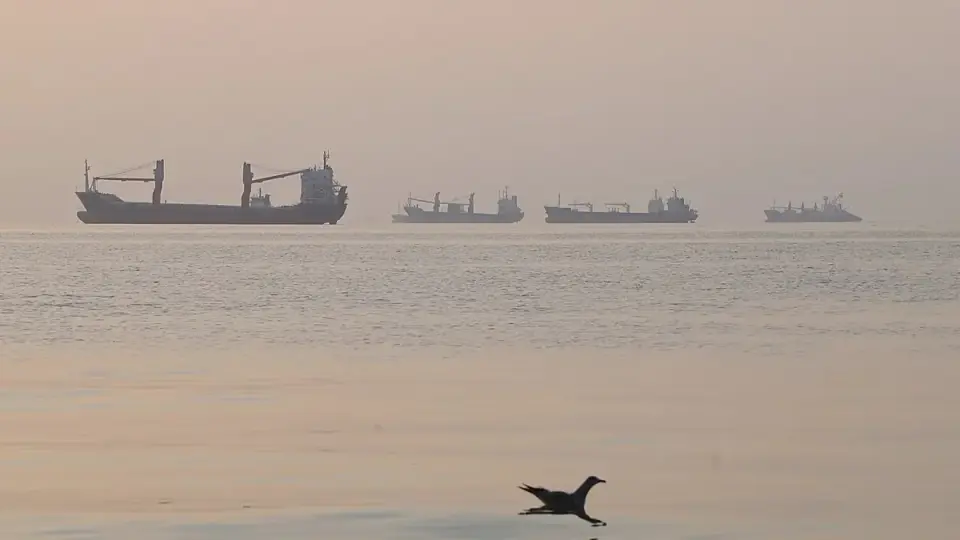
A false tracking signal for a non-existent Iranian tanker, 'Khat-Shekan', was identified by TankerTrackers, debunking claims of a successful blockade breach. This occurred amid reports of 14 tankers gathering near Kharg Island and Iranian officials calling to break the US naval blockade. Experts warn that weakening leverage over the Strait of Hormuz may push Tehran toward escalation or alternative export methods.
Key points
- TankerTrackers confirmed the 'Khat-Shekan' signal was a spoof, noting no satellite evidence and impossible transit times.
- Over 14 oil tankers have gathered near Kharg Island, potentially preparing for a convoy to China.
- Iranian Foreign Minister Abbas Araghchi stated the US blockade 'must be broken,' while Deputy FM Kazem Gharibabadi called it an act of war.
- The US military marked 130 consecutive days of its blockade, which it claims prevents billions in crude exports.
- Oil prices have fallen as Gulf exports recover, reducing Iran's leverage over global energy markets.
- Iran may attempt ship-to-ship transfers or place civilians on vessels to deter US intervention.
Background
The US naval blockade of Iran began in July 2026, following the outbreak of the Iran war in late February. Previous incidents include tanker fires in the Strait of Hormuz and the repatriation of Iranian sailors from blocked vessels. The blockade aims to restrict oil exports, while Iran has used the strait to pressure global energy markets.
How outlets are covering it
Euronews and Iran International focused on the debunking of the 'Khat-Shekan' signal, emphasizing the lack of physical evidence. CNN highlighted the broader strategic shift, noting that falling oil prices and recovering Gulf exports are eroding Iran's leverage, potentially pushing Tehran toward military escalation. Ynetnews detailed the potential 'Operation Fereydoun' convoy and the risks of US interception, including threats to Gulf energy infrastructure. All sources agree on the blockade's economic impact but differ on Iran's immediate next steps, with some viewing the fake signal as brinkmanship and others as a sign of desperation.
Why it matters
The fake tanker signal underscores the high-stakes game of brinkmanship between Iran and the US. If Iran fails to break the blockade, it may escalate military operations or target regional energy infrastructure, risking a broader conflict. The weakening of Iran's leverage over oil prices could force Tehran into a corner, potentially leading to more aggressive actions or a diplomatic breakthrough.
What to watch
Watch for any official Iranian announcement regarding a tanker convoy. Monitor oil prices and shipping traffic in the Strait of Hormuz for signs of increased Iranian activity or US enforcement. Follow diplomatic talks with Qatari mediators, as Iran remains open to negotiations while threatening retaliation.
- Tracker says Iranian tanker reported in Strait of Hormuz is fake Euronews
- Iran’s oil leverage is weakening. That could push it toward escalation CNN
- Iran's high-stakes gamble: breaking the US naval blockade to force a swift endgame Ynetnews
- ‘Line-breaker’ tanker signal near Hormuz was fake, tracking firm says Iran International
- Iranian Oil Moved Between Tankers as US Widens Blockade Bloomberg.com
Want the full story? Read the original reporting
Read on Euronews