
No Kings rallies pivot to early voting as midterms near
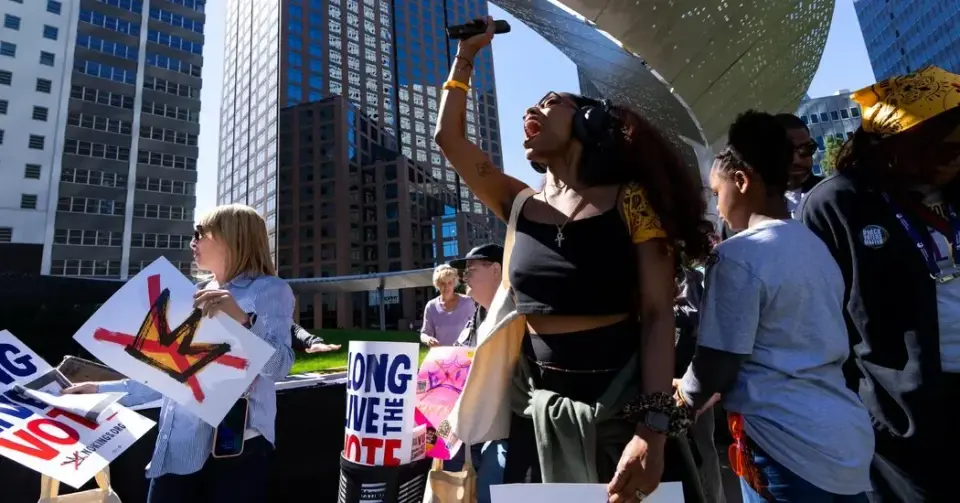
A new wave of 'No Kings' protests took place on October 17, shifting focus from general anti-government sentiment to urging citizens to vote early in the upcoming midterm elections. Organizers planned over 2,500 local events across the U.S., though many participants still voiced specific grievances against the Trump administration.
Key points
- The latest 'No Kings' demonstrations occurred on Saturday, October 17, 2026.
- The primary goal of this round was to encourage early voting and absentee ballot submission for the midterms.
- Organizers, including the ACLU and League of Women Voters, planned more than 2,500 'hyperlocal' events nationwide.
- While organizers requested nonpartisan messaging, many attendees expressed frustration with specific Trump administration policies, such as immigration raids and budget cuts.
- The coalition includes approximately 200 organizations and emphasized that voting early is a key way to exercise democratic power.
Background
Previous 'No Kings' rallies, such as those in March 2026, focused on protesting various issues including immigration raids and government layoffs. The current events represent a strategic shift toward electoral participation as the midterm elections approach.
How outlets are covering it
The New York Times highlights the tension between the organizers' nonpartisan directive and the participants' continued expression of anti-Trump sentiment. AP News provides visual documentation of the rallies across the country, confirming the widespread nature of the events. Both sources agree on the shift in focus to voter mobilization, but the NYT notes the disconnect between the official message and the on-the-ground reality.
Why it matters
The shift in protest messaging indicates a growing urgency among civic groups to influence the upcoming midterm elections through voter turnout rather than just public dissent. The scale of the events, with over 2,500 planned gatherings, suggests a significant grassroots effort to mobilize voters.
What to watch
The impact of these rallies on early voting rates will be monitored in the coming weeks. Organizers will likely continue to promote early voting and absentee ballots as the midterms approach. The effectiveness of the 'hyperlocal' strategy in driving voter participation remains to be seen.
- New Round of ‘No Kings’ Rallies Focuses on Getting Out the Vote The New York Times
- Photos show No Kings rallies across America AP News
- No Kings turns its focus to voting this weekend. Here's what we know NPR
- 'No Kings' protesters to rally today across Southern California and nationwide ABC7 Los Angeles
- ‘November is coming’: Portland ‘No Kings’ protesters turn their focus to the ballot box OregonLive.com
Want the full story? Read the original reporting
Read on The New York Times