
Tech Leaders Pivot Left After Midterm Losses, With Musk Regretting $500M Republican Spending
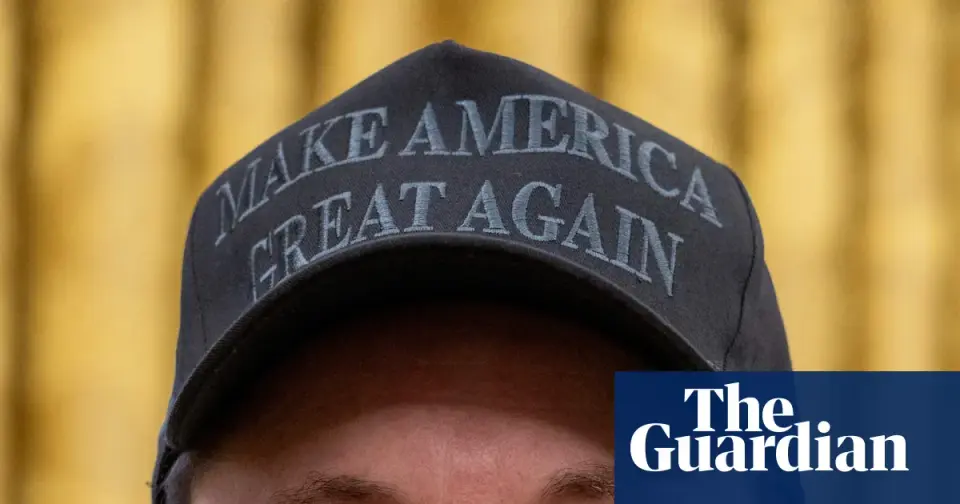
Following a decisive Democratic victory in the 2026 US midterm elections, prominent Silicon Valley executives are rapidly distancing themselves from right-wing politics. Elon Musk stated at the New York Times DealBook conference that he is 'not MAGA' and regretted spending approximately $500 million to elect Republicans, calling the decision 'foolish.' Palantir CEO Alex Karp reversed his hardline stance on immigration, claiming he has always been a Democrat, while Meta replaced its Republican-aligned global affairs president with more bipartisan executives. These shifts follow a period where tech leaders heavily supported President Donald Trump, including funding his inauguration and supporting his Department of Government Efficiency initiative.
Key points
- Elon Musk stated at the DealBook conference that he is 'not MAGA' and expressed regret over spending $500 million on Republican midterm candidates, calling the expenditure 'foolish.'
- Palantir CEO Alex Karp softened his stance on immigration, claiming he is a lifelong Democrat and that the company’s products are 'progressive,' despite recent contracts with ICE.
- Meta replaced Joel Kaplan, its Republican-aligned president of global affairs, with a more bipartisan slate of executives after the Democratic midterm sweep.
- Critics argue that Palantir’s pivot is performative, noting its $30 million contract for 'Immigration OS' and its role as the data backbone for ICE enforcement.
- Trump responded to Musk’s comments by warning that those who 'veer' from MAGA 'don't do very well,' highlighting the tension between the former allies.
Background
This pivot follows a period in 2025 where Silicon Valley leaders, including Musk and Karp, actively courted President Trump, donating millions to his inauguration and supporting his administration’s initiatives. Musk previously donated over $200 million through America PAC to help elect Trump in 2024 and served as head of the Department of Government Efficiency. The current shift mirrors a broader trend where tech executives, who had previously banned Trump from their platforms in 2021, are now rebranding as moderate or progressive to align with the new Democratic majority in Congress and state governments.
How outlets are covering it
The Guardian and The New York Times focus on the strategic repositioning of tech leaders, with the Guardian emphasizing the hypocrisy of Palantir’s CEO, Alex Karp, who previously supported ICE but now claims progressive values. The New York Times highlights Musk’s attempt to downplay his political influence at the DealBook Summit. NBC News frames the story through Trump’s reaction, where the president warned that those who abandon MAGA face political consequences. Critics, including immigration attorney Lesley Nash, argue that these pivots do not mitigate the harm caused by tech companies’ involvement in government enforcement, while former Palantir employee Juan Sebastián Pinto suggests the company is attempting to shape narratives to avoid accountability from the incoming Democratic administration.
Why it matters
The shift signals a potential realignment between the tech industry and the US government, with major corporations distancing themselves from the administration they helped elect. This could impact ongoing government contracts, regulatory scrutiny, and the political influence of tech billionaires. The pivot also raises questions about the consistency of corporate political stances and the extent to which tech companies prioritize profit over ideological alignment, particularly in areas like immigration enforcement and data privacy.
What to watch
The incoming Democratic administration is expected to scrutinize tech companies’ involvement in government programs, particularly Palantir’s contracts with ICE and DHS. Congress may launch investigations into major tech firms, and there could be moratoriums on data center construction. Tech leaders will likely continue to adjust their public stances to align with the new political landscape, while Trump and his allies may attempt to maintain support among remaining right-wing donors.
- Fair-weather Silicon Valley pivots away from the right after blue wave: ‘I’m not Maga’ The Guardian
- Silicon Valley Is Scrambling Now The Atlantic
- Elon Musk on His Politics, a Potential Merger and Ukraine The New York Times
- Trump responds to Elon Musk’s ‘I’m not MAGA’ comments NBC News
- 'I'm not MAGA,' Elon Musk says after Republicans' midterm thrashing PBS
Want the full story? Read the original reporting
Read on The Guardian