
Texas Execution of Reinaldo Dennes Draws Outcry Over Prolonged Pain and Vein Access Failures
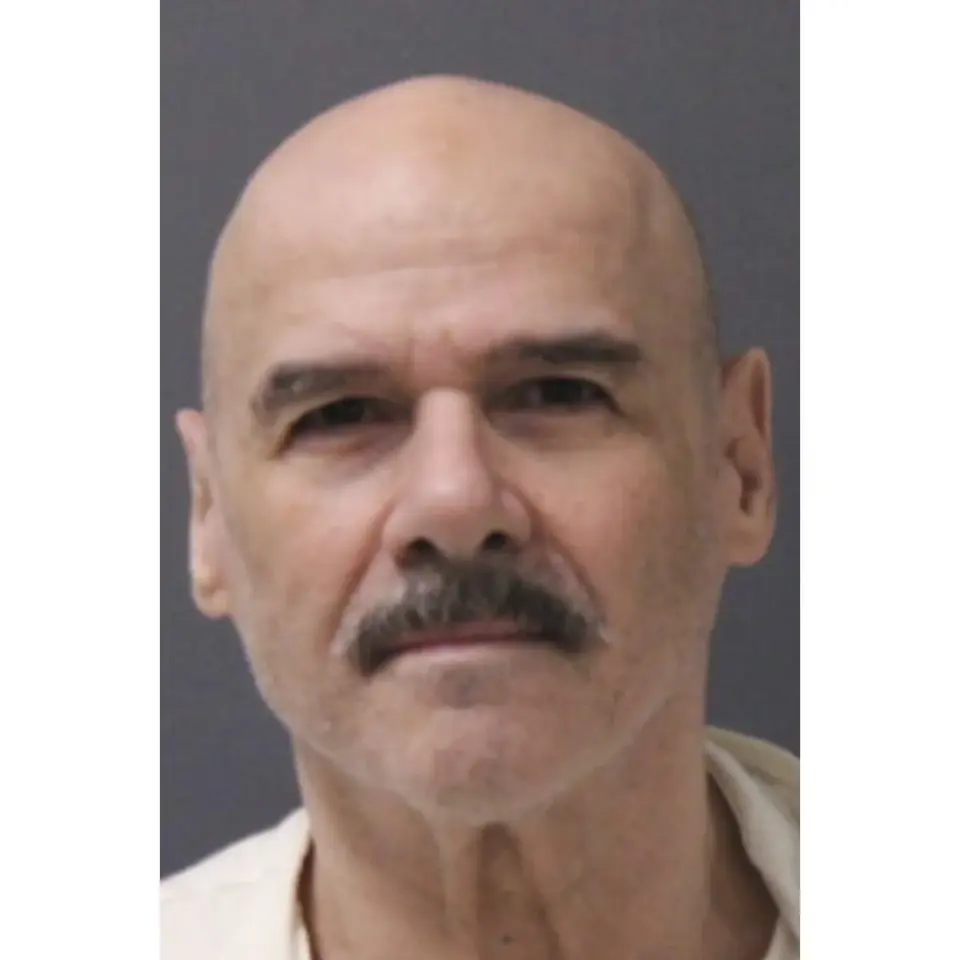
The execution of 70-year-old Reinaldo Dennes in Texas on Thursday lasted 63 minutes, marked by significant delays in locating veins and reports of the inmate screaming in pain. While prison officials maintained the procedure followed protocol, witnesses and medical experts described the event as a botched execution, renewing calls for a national moratorium on lethal injections.
Key points
- Reinaldo Dennes, convicted of the 1996 murder of diamond dealer Janos Szucs, was executed in Huntsville, Texas, after a 63-minute procedure.
- Execution staff struggled to locate veins, eventually inserting needles into Dennes's left foot and left neck after initial attempts in his hands and arms failed.
- Witnesses, including spiritual adviser Rev. Jeff Hood, reported Dennes screaming in pain, stating 'It's not working' and begging for relief, while prison officials claimed the procedure went 'as planned.'
- The incident follows the botched execution of Christa Pike in Tennessee in September, where Pike survived two doses of pentobarbital, intensifying scrutiny of lethal injection protocols.
- Critics, including the Death Penalty Information Center and Reprieve, called for a nationwide moratorium on lethal injections, citing the event as evidence of systemic failures in capital punishment methods.
Background
This execution occurred amid heightened scrutiny of lethal injection protocols following the botched execution of Christa Pike in Tennessee in September 2026, where Pike survived two doses of pentobarbital. Texas has faced long-standing criticism for its secretive procurement of execution drugs from compounding pharmacies, with concerns about variable quality and expired supplies. The event also coincided with Florida's 20th execution of the year, highlighting ongoing debates over capital punishment methods and the aging death row population.
How outlets are covering it
The Texas Department of Criminal Justice, through spokesperson Amanda Hernandez, maintained that the execution 'went as planned' and followed all protocols, suggesting Dennes may have exaggerated pain complaints, possibly influenced by the high-profile Pike case. In contrast, witnesses like Rev. Jeff Hood and medical experts, including Dr. Paul Wax and Jonathan Groner, condemned the event as a botched execution, describing Dennes's screams and physical distress as evidence of torture. The Guardian and BBC emphasized the similarities between Dennes's and Pike's executions, highlighting struggles with vein access and pentobarbital use, while The New York Times focused on the prolonged duration and witness accounts of pain. Critics, including the Death Penalty Information Center and Reprieve, called for a national moratorium, arguing that lethal injection is a broken and torturous method.
Why it matters
The execution of Reinaldo Dennes has intensified national and international scrutiny of lethal injection protocols, particularly the use of pentobarbital and the challenges in vein access. It has renewed calls for a moratorium on the death penalty, with critics arguing that the method is inherently flawed and causes unnecessary suffering. The event also highlights the political and legal debates over capital punishment in the U.S., especially in Texas, which has faced criticism for its secretive drug procurement and execution practices. The incident may influence future policy discussions and legal challenges regarding the constitutionality and humanity of lethal injections.
What to watch
The Texas Department of Criminal Justice has stated it plans no additional inquiry into the execution, but the event may prompt further scrutiny from medical experts, human rights organizations, and legal advocates. The political upheaval in Texas, including the election of Democrat Gina Hinojosa as governor and shifts in state courts, could lead to a reevaluation of capital punishment policies. National calls for a moratorium on lethal injections may gain momentum, potentially influencing other states to reconsider their execution methods or pause executions pending further review.
- Texas says an execution went as planned. A witness says screams showed 'tremendous distress' AP News
- Texas Prisoner Moaned as Drugs Flowed During Execution, Witnesses Say The New York Times
- Latest botched execution prompts calls for US moratorium on lethal injections The Guardian
- Texas death-row inmate screams as execution takes more than one hour BBC
- AP reporter Michael Graczyk says Texas execution of Reinaldo Dennes with pentobarbital was like no other he's witnessed before ABC7 Los Angeles
Want the full story? Read the original reporting
Read on AP News