
Starshield Speed Caps in Occupied Zones Cripple Ukrainian Drone Strikes
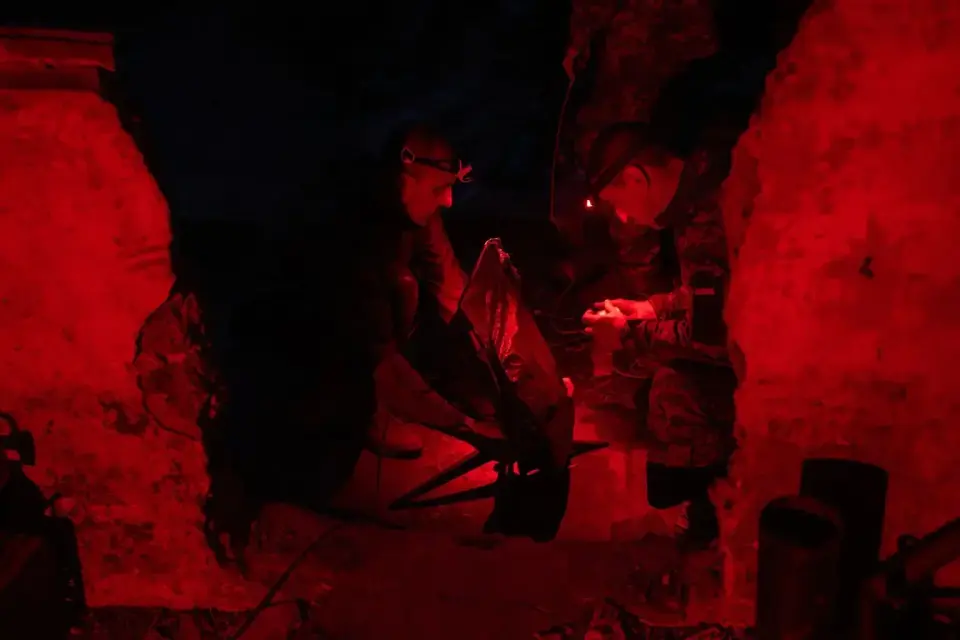
Speed restrictions on the US-provided Starshield satellite network remain active in Russian-occupied Ukrainian territories, severely limiting the speed of Ukrainian medium-range strike drones. This has led to high drone losses and the cancellation of missions targeting Russian logistics and air defense sites. While communications have normalized in Ukrainian-controlled areas, the persistent limits in occupied zones hinder Ukraine's ability to intercept fast-moving Russian attack drones, straining relations between Kyiv, Washington, and SpaceX.
Key points
- Speed restrictions on Starshield, introduced in October 2026, apply only to Russian-occupied territories, disconnecting communication for drones traveling above approximately 160 km/h (100 mph).
- The limits significantly impact medium-range strike drones, such as the Fire Point FP-2, which carries up to 200 kg of payload and has a range of 700 km, forcing the cancellation of some missions due to high loss rates.
- President Volodymyr Zelensky confirmed in a BBC interview on November 26 that restrictions remain in occupied areas, preventing Ukrainian interceptor drones from pursuing fast Russian jet drones before they strike critical infrastructure.
- Zelensky stated that Starlink and Starshield communications have returned to normal in Ukrainian-controlled territory, but the restrictions in occupied zones persist, creating a 'ping-pong' situation where the US government and SpaceX deflect responsibility for the political decision.
- The restrictions have added to tensions between Kyiv and Washington, with Zelensky calling on the US and Elon Musk's SpaceX to lift the limits, warning they undermine Ukraine's defense of energy infrastructure.
Background
This issue follows a series of disruptions in October 2026, when Ukrainian officials reported that Starshield speed caps caused mission failures and were linked to the political climate surrounding US-Russia energy deals. Previous reports indicated that SpaceX denied making changes, while Ukrainian leaders accused the US government of using the restrictions to pressure Kyiv during peace talks. The current situation reflects ongoing friction over the operational control of military satellite communications in the conflict zone.
How outlets are covering it
The Kyiv Independent and EADaily emphasize the operational impact on Ukrainian strike drones, noting that speed limits in occupied territories cause high losses and mission cancellations, framing the restrictions as a political decision to hamper Ukraine's offensive capabilities. UNITED24 Media highlights Zelensky's confirmation that communications are normal in Ukrainian-controlled areas but remain restricted in occupied zones, focusing on the inability to intercept Russian jet drones. Zelensky attributes the technical implementation to SpaceX but acknowledges uncertainty over the political decision, describing a lack of clear accountability between Washington and SpaceX.
Why it matters
The restrictions directly compromise Ukraine's ability to defend against Russian aerial attacks and strike Russian military assets in occupied territories, potentially affecting the balance of the conflict and the protection of critical energy infrastructure during winter. The dispute also highlights broader tensions in US-Ukraine relations over military support and the operational control of dual-use technology.
What to watch
Ukrainian officials are expected to continue pressing the US and SpaceX to lift the speed restrictions in occupied territories. The outcome may depend on political decisions in Washington and SpaceX's operational policies, with potential implications for Ukraine's defense capabilities and US-Ukraine relations.
- Starshield speed restrictions apply only to Russian-occupied territories, hamper Ukraine's middle strike campaign, military sources say The Kyiv Independent
- How Starlink Limits Force Ukraine to Fight With the Brakes On WSJ
- Elon Musk shifts the blame for throttling Starshield in Ukraine The Economist
- APU loses shock drones and cancels attacks — The Kyiv Independent EADaily
- Starlink Is Back to Normal in Ukraine—But One Restriction Still Helps Russian Jet Drones Get Through UNITED24 Media
Want the full story? Read the original reporting
Read on The Kyiv Independent