
California Declares Emergency as Record-Breaking El Niño Threatens Southern California Coast
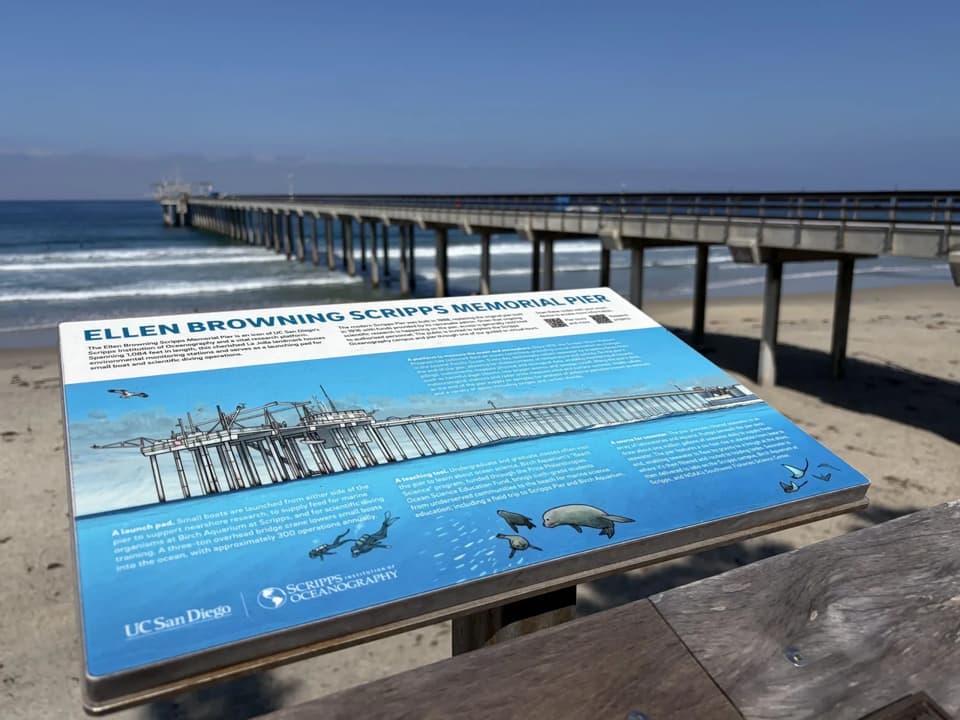
Governor Gavin Newsom declared a state of emergency on September 21, 2026, to mobilize resources against a developing 'super El Niño' that is already breaking temperature records. Forecasters predict a greater than 90% chance of a very strong event, with a 75% probability it will be the strongest on record. The phenomenon is expected to raise sea levels by several inches and increase the frequency of severe storms, landslides, and coastal flooding across California, particularly in vulnerable low-lying areas of San Diego County.
Key points
- NOAA data shows equatorial Pacific temperatures reached 3.05 degrees Celsius above average on September 23, 2026, surpassing the 2015 daily record and approaching the 4-degree threshold for a 'very strong' El Niño by winter.
- The state of emergency proclamation directs agencies to stage flood-fighting supplies, pre-position equipment, and fast-track permitting for infrastructure repairs to mitigate risks from heavy rain and high tides.
- San Diego County officials are preparing for potential impacts in low-lying coastal communities, including Imperial Beach, Coronado, and La Jolla, where high tides near 7 feet could coincide with storm surges.
- Recent damage from Hurricane Marie in Long Beach has prompted local emergency declarations, with city managers citing the need for expedited procurement and additional personnel to handle potential El Niño impacts that exceed normal operational capabilities.
- A study published in the journal Science indicates that El Niño events are now 36% stronger than pre-industrial levels due to climate change, amplifying the potential for extreme weather outcomes.
Background
This development follows earlier warnings in August 2026 that a super El Niño could become the strongest on record, potentially causing multi-trillion-dollar economic losses and global weather shifts. In late September, Hurricane Marie already caused significant coastal damage in Long Beach, serving as an early indicator of the severe surf and flooding expected during the upcoming winter season.
How outlets are covering it
While The Guardian and CA.gov emphasize the historic strength of the El Niño and the proactive state-level mobilization, inewsource highlights the specific local vulnerabilities in San Diego, noting that a strong tropical El Niño does not automatically guarantee record-breaking local storms. ABC7 focuses on the immediate aftermath of Hurricane Marie in Long Beach, framing the local emergency declaration as a response to recent damage and a preview of winter conditions. UC San Diego researchers caution that while tropical conditions are intensifying, local impacts depend on specific storm tracks and tidal alignments, distinguishing between the global phenomenon and regional consequences.
Why it matters
The declaration of a state of emergency signals a shift from routine preparedness to crisis management, allowing for faster procurement and resource allocation. For residents, this means heightened risks of property damage, power outages, and infrastructure failures during the winter months. The event underscores the intersection of natural climate cycles and anthropogenic climate change, which is intensifying the severity of El Niño events and increasing the frequency of extreme weather impacts on coastal communities.
What to watch
Authorities expect peak high tides around Thanksgiving and Christmas Eve, with some exceeding 7 feet. Residents are advised to clear drains, check flood risks, and sign up for emergency alerts. The California National Guard is being prepared for flood response and search-and-rescue missions, while local agencies continue to repair damage from recent storms and monitor incoming Pacific systems like Hurricane Polo.
- Super El Niño is coming. What exactly does that mean for San Diego? inewsource.org
- Governor Newsom proclaims state of emergency to bolster statewide El Nino preparedness, protect California California State Portal | CA.gov
- California braces for record El Niño storms as governor declares emergency The Guardian
- Hurricane Polo and El Niño drive severe beach erosion in Carlsbad fox5sandiego.com
- Long Beach declares local emergency as El Niño looms after Hurricane Marie damage ABC7 Los Angeles
Want the full story? Read the original reporting
Read on inewsource.org