
SoCal Heat Peaks at 124°F in Death Valley as Coastal Flooding Risk Looms
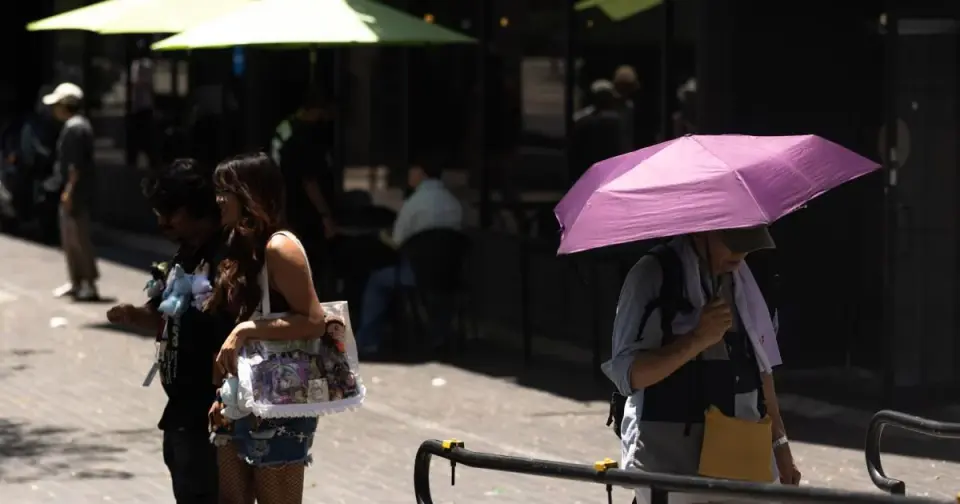
Southern California faces a peak heat event on Sunday, August 9, 2026, with temperatures reaching the low 100s in the Inland Empire and up to 112°F in the Coachella Valley. The National Weather Service issued extreme heat warnings for desert regions and heat advisories for inland areas, citing risks of heat illness. Simultaneously, high tides driven by warm ocean temperatures and sea-level rise pose a risk of minor coastal flooding from Monday through Wednesday. Elevated fire weather conditions persist through Monday, while monsoonal thunderstorms are expected in mountainous regions. Health officials urge residents without air conditioning to seek cooling centers, as warm overnight temperatures exacerbate heat stress.
Key points
- Sunday temperatures are forecast to reach the 90s in Los Angeles County and low 100s in the Inland Empire, with desert areas like Victorville and Antelope Valley hitting 109-110°F.
- Saturday recorded 124°F in Death Valley, just one degree below the 1998 record for August 8, while Fullerton broke its 2018 record with 97°F.
- The National Weather Service issued extreme heat warnings for deserts and the San Joaquin Valley, and heat advisories for most of Southern California away from the coast.
- High tides are expected to cause minor coastal flooding in parking lots, parks, and roads in San Francisco and Monterey Bays through early Thursday, with risks extending to SoCal beaches from Monday to Wednesday.
- Elevated fire weather conditions continue through Monday, and monsoonal thunderstorms are forecast for mountains in Los Angeles, San Diego, Riverside, and Ventura counties.
Background
This heat event follows a series of extreme weather patterns in 2026. In late July, Southern California faced a brutal heat wave with highs up to 115°F in the Antelope Valley and near 120°F in low-desert areas, accompanied by hazardous surf from Hurricane Genevieve. July 2026 was on track to become the warmest month on record for the contiguous U.S., driven by a heat dome that heightened wildfire risks in the West. Earlier in July, the Bay Area also experienced its hottest stretch, with inland temperatures exceeding 100°F and dangerous surf conditions prompting water rescues.
How outlets are covering it
The Los Angeles Times provides detailed temperature data for specific locations, highlighting record-breaking highs in Death Valley and Fullerton, and emphasizes the dual threats of heat illness and coastal flooding. KMPH, a local station in the Inland Empire, frames Sunday as the 'hottest day of the year,' focusing on the peak of the heat wave before a subsequent cooling trend. KCRA, covering Northern California, reports a drastic cooling trend for the week, with Valley highs nearly 10 degrees below normal by Thursday, contrasting with the persistent heat in Southern California. While the LA Times and KMPH focus on the immediate danger of the heat peak, KCRA highlights the rapid shift to cooler, muggier conditions in the North, indicating a regional divergence in weather patterns.
Why it matters
The combination of extreme heat, elevated fire weather, and coastal flooding presents significant risks to public health and infrastructure. Residents without air conditioning face heightened heat stress due to warm overnight temperatures, while dry conditions increase the potential for wildfires. Coastal flooding, though minor, could disrupt transportation and damage property in low-lying areas. The event underscores the compounding effects of climate change, including warmer ocean temperatures and sea-level rise, on extreme weather events in California.
What to watch
Temperatures are expected to begin cooling by the end of the week, particularly in Northern California, where Valley highs will settle into the upper 80s and low 90s. However, Southern California may continue to experience elevated fire weather conditions through Monday. Monsoonal thunderstorms are expected in mountainous regions, which could provide some relief but also pose risks of lightning-sparked fires. Coastal flooding risks will persist through Wednesday, with high tides potentially affecting beaches and low-lying areas in Los Angeles, San Diego, Orange, Ventura, and Santa Barbara counties.
- SoCal heat wave: Triple-digit temperatures, fire weather and coastal flooding in store Los Angeles Times
- Blog: High heat, humidity, and PM pop-ups WAVY.com
- Sizzling Sunday - the hottest day of the year kmph.com
- NorCal forecast: Hot Sunday, but cooler weather on the way KCRA
- Northern California heat forecast | Aug. 9 at 7 a.m. yahoo.com
Want the full story? Read the original reporting
Read on Los Angeles Times