
Chesapeake Bay Bridge-Tunnel Reopens After 9-Hour Storm Closure
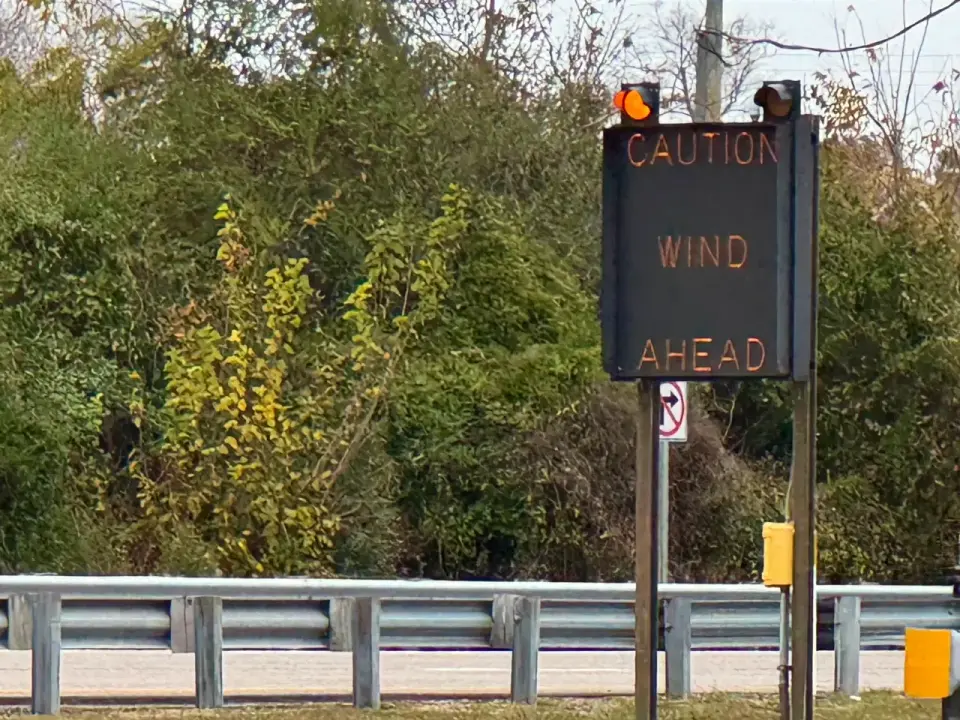
The Chesapeake Bay Bridge-Tunnel (CBBT) reopened to all traffic on November 25, 2026, after a nine-hour closure caused by high winds and rain. The closure began at 3:30 a.m. when winds reached 60 mph and ended just before 12:30 p.m. Officials warned of potential further wind restrictions later in the day. Meanwhile, the Maryland Bay Bridge remains under a traffic hold due to sustained winds exceeding 55 mph, and Norfolk declared a local state of emergency following historic coastal flooding.
Key points
- The CBBT closed to all traffic at 3:30 a.m. on November 25 after winds hit 60 mph, triggering Level 3 wind restrictions.
- The bridge reopened to all traffic just before 12:30 p.m. on November 25, following the passage of the most severe weather.
- Officials anticipate multiple wind restrictions may be implemented later on November 25 if winds reach 40 mph or greater.
- The Maryland Transportation Authority reported a traffic hold on the Maryland Bay Bridge due to sustained winds exceeding 55 mph.
- Norfolk City Manager Patrick Roberts declared a local state of emergency on November 25 after coastal flooding reached 7.59 feet, the fourth highest in the city's history.
Background
The CBBT is a 17.6-mile bridge-tunnel system carrying US 13 between Hampton Roads and the Delmarva Peninsula. It is one of only 15 such systems in the world and serves as a critical link for traffic between the Hampton Roads and Philadelphia metropolitan areas. Previous archive coverage noted that a powerful Thanksgiving storm had already caused widespread power outages and bridge closures across the Delmarva Peninsula and Eastern Shore, with officials warning of potentially historic water levels in some areas.
How outlets are covering it
WAVY.com focused on the timeline of the CBBT closure and reopening, emphasizing the specific wind speeds (60 mph) that triggered the full closure and the subsequent reopening. WBFF highlighted the ongoing traffic hold on the Maryland Bay Bridge, noting that sustained winds exceeding 55 mph for 10 minutes or gusts exceeding 55 mph for 15 minutes can trigger such holds. The City of Norfolk provided a broader perspective on the storm's impact, detailing historic flooding levels (7.59 feet), road closures, and the declaration of a local state of emergency, rather than focusing solely on bridge operations.
Why it matters
The closure of the CBBT disrupts a major transportation artery for the Hampton Roads region and the Delmarva Peninsula, affecting thousands of commuters and travelers during the Thanksgiving holiday. The storm's impact extends beyond bridge closures, causing historic coastal flooding in Norfolk, widespread power outages, and significant infrastructure damage, highlighting the vulnerability of coastal infrastructure to severe weather events.
What to watch
Officials anticipate that multiple wind restrictions may be implemented later on November 25 if winds reach 40 mph or greater. The City of Norfolk's Parking Strategy for Flooding Events remains in effect through Friday at 8 a.m., and residents are advised to avoid unnecessary travel to allow emergency crews to assist with power restoration and flood mitigation. The Maryland Transportation Authority will continue to monitor wind conditions on the Bay Bridge, with traffic holds potentially remaining in effect if sustained winds exceed 55 mph.
- Chesapeake Bay Bridge-Tunnel reopens following prolonged inclement weather closure WAVY.com
- Coastal storm warning expected to have significant impacts on region WAVY.com
- Tidal flooding overwhelms the Hague in Norfolk, area roads impassable 13newsnow.com
- Traffic hold in effect on Bay Bridge amid high winds, MDTA says WBFF
- Alert Center • Coastal Flood Warning and High Wind Warning City of Norfolk (.gov)
Want the full story? Read the original reporting
Read on WAVY.com