
Hurricane Isaias leaves four dead and 480,000 without power across the Southeast
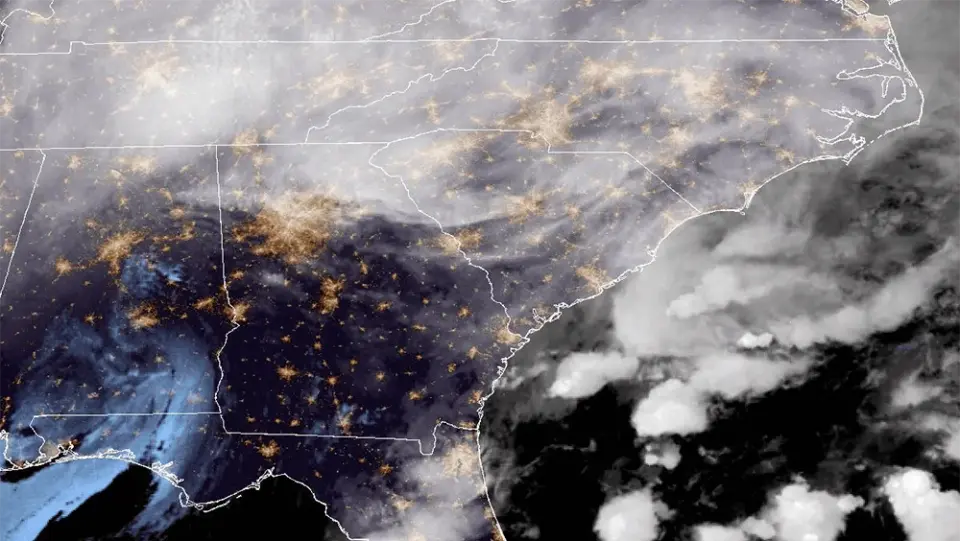
Hurricane Isaias made landfall near Destin, Florida, as a Category 2 storm, causing at least four deaths and widespread damage across the Gulf Coast. The storm has since weakened into a post-tropical cyclone but continues to threaten the Southeast with flooding, tornadoes, and high winds. Nearly 480,000 customers remain without power, and the US Energy Department has authorized an emergency release of 4 million barrels of crude oil to mitigate supply disruptions.
Key points
- Isaias made landfall near Destin, Florida, as a Category 2 hurricane before weakening into a post-tropical cyclone.
- At least four people have died in connection with the storm, with two deaths reported in Escambia County, Florida, and two in Alabama.
- Nearly 480,000 customers in the Southeast remain without power, with over 275,000 outages in Alabama alone.
- The US Energy Department authorized an emergency release of up to 4 million barrels of crude oil from the Strategic Petroleum Reserve to ease supply disruptions.
- Remnants of the storm are causing tornadoes and flash flooding in Georgia, South Carolina, and the Appalachian region.
Background
The Atlantic hurricane season runs from June 1 through November 30. Isaias is the latest storm to impact the Gulf Coast, following previous major hurricanes like Ida and Harvey, which also triggered emergency oil releases. The Strategic Petroleum Reserve currently holds about 283 million barrels, the lowest level since 1982.
How outlets are covering it
WJCL focused on tracking the storm's path and providing local forecasts for Southeast Georgia and South Carolina. AP News reported on the landfall and initial impacts, while CNN provided detailed updates on casualties, power outages, and the emergency oil release. CNN also highlighted the ongoing threats of tornadoes and flooding in the storm's aftermath, whereas WJCL emphasized the need for continued monitoring of the storm's remnants.
Why it matters
The storm's impact highlights the ongoing vulnerability of the Gulf Coast to hurricanes and the importance of emergency response measures. The emergency oil release underscores the economic and logistical challenges posed by major storms, while the ongoing threats of flooding and tornadoes demonstrate the need for sustained vigilance and preparedness.
What to watch
Officials are focused on restoring power and conducting rescue and recovery efforts. The remnants of Isaias are expected to continue moving inland, with potential for further flooding and tornadoes in the Southeast and Mid-Atlantic regions. The cost of the damage and the impact on oil supplies will be key factors in the recovery process.
- Tracking the Tropics: The latest spaghetti models for Hurricane Isaias WJCL
- Live updates: Hurricane Isaias threatens the Gulf Coast with dangerous landfall expected tonight FOX Weather
- Isaias is expected to strengthen into a major hurricane as it nears the US Gulf Coast AP News
- Hurricane Isaias live updates: Gulf Coast evacuations underway as storm nears Category 3 strength CNN
- Hurricane Isaias takes aim at Florida panhandle ABC News - Breaking News, Latest News and Videos
Want the full story? Read the original reporting
Read on WJCL