
Isaias hits Gulf Coast as hurricane, triggering emergency orders and oil production losses
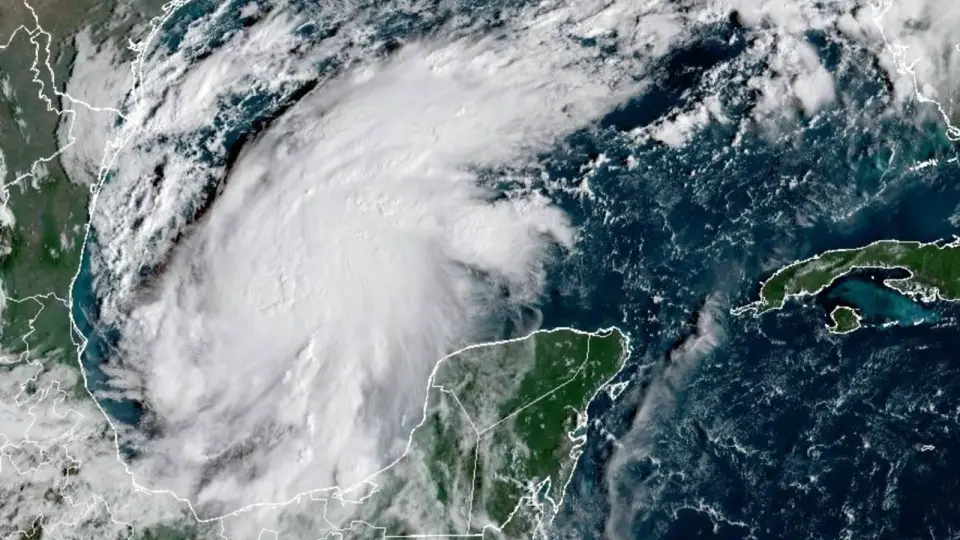
Tropical Storm Isaias formed in the Gulf of Mexico on Wednesday and is forecast to strengthen into a hurricane before making landfall on the U.S. Gulf Coast early Saturday. The National Hurricane Center expects the storm to impact the Mississippi, Alabama, or Florida panhandle, bringing heavy rainfall and coastal flooding. Florida Governor Ron DeSantis declared a state of emergency for 25 counties, while analysts warn that the storm could disrupt approximately 11.2 million barrels of oil production, potentially affecting fuel prices.
Key points
- Isaias formed in the Gulf of Mexico on Wednesday and is expected to become a hurricane by Thursday before making landfall early Saturday.
- The National Hurricane Center forecasts landfall along the Mississippi, Alabama, or Florida panhandle coast, with potential rainfall of up to 10 inches in affected areas.
- Florida Governor Ron DeSantis signed Executive Order 26-202 declaring a state of emergency for 25 counties, including Leon, Okaloosa, and Santa Rosa, to stage emergency resources.
- Consulting firm Earth Science Associates estimates the storm could result in the loss of 11.2 million barrels of oil production, a significant increase from the 7.1 million barrels impacted by Tropical Storm Bertha in July.
- Strong upper-level winds, known as vertical wind shear, are expected to weaken the storm in the final 24 hours before landfall, though the NHC still anticipates it will be a significant hurricane upon arrival.
Background
Isaias has been tracked since early October as a disturbance in the Bay of Campeche, with forecasts indicating it would develop into a tropical storm by midweek. Prior to its formation, the system was labeled Invest 92L and was expected to intensify rapidly. The storm is the first hurricane of the 2026 Atlantic season, following a period of limited activity in the Gulf. Earlier forecasts suggested the system might weaken due to hostile atmospheric conditions, but recent updates indicate it will maintain significant strength upon landfall.
How outlets are covering it
CNBC emphasizes the economic impact of Isaias, highlighting the potential loss of 11.2 million barrels of oil production and its effect on fuel prices and inventories. In contrast, Fox 13 Tampa Bay focuses on the immediate emergency response in Florida, detailing Governor DeSantis's declaration of a state of emergency for 25 counties and the staging of resources such as generators, fuel, and sandbags in Tallahassee and Santa Rosa. While both sources agree on the storm's trajectory and potential for heavy rainfall, CNBC prioritizes the broader economic consequences, whereas Fox 13 highlights local preparedness and resource allocation.
Why it matters
The intensification of Isaias into a hurricane poses significant risks to the U.S. Gulf Coast, including coastal flooding, heavy rainfall, and potential damage to infrastructure. The storm's impact on oil production could lead to higher fuel prices, affecting consumers and businesses across the region. Additionally, the state of emergency in Florida underscores the urgency of preparedness measures, as residents are advised to stock hurricane supply kits and review disaster plans. The storm's potential to reach the Ohio Valley by midweek next week also raises concerns for inland areas, where flash and river flooding are possible.
What to watch
The National Hurricane Center will continue to monitor Isaias as it approaches the northern Gulf Coast, with updates expected on its intensity and track. Residents in the 25 Florida counties under a state of emergency should prepare for potential impacts, including heavy rainfall, strong winds, and coastal flooding. Oil and gas companies in the Gulf are expected to take precautions to protect their assets, with potential production losses impacting global energy markets. Inland areas, particularly in the Southeast, should be prepared for flash and urban flooding, as the storm's remnants could move further north.
- Tropical Storm Isaias forms, forecast to become a hurricane and hit the U.S. Gulf Coast this week CNBC
- Tropical Storm Isaias expected to rapidly become significant Gulf hurricane The Weather Channel
- Florida declares state of emergency for 25 counties as Tropical Depression Nine strengthens FOX 13 Tampa Bay
- Tropical Storm Isaias forecast to make landfall as hurricane Friday ABC News - Breaking News, Latest News and Videos
- Tropical Storm Isaias forms in the Gulf, expected to be first landfalling Atlantic hurricane of the season FOX Weather
Want the full story? Read the original reporting
Read on CNBC