
Nor'easter Kills One in Brooklyn as NYC Faces Record Rain and Coastal Flooding
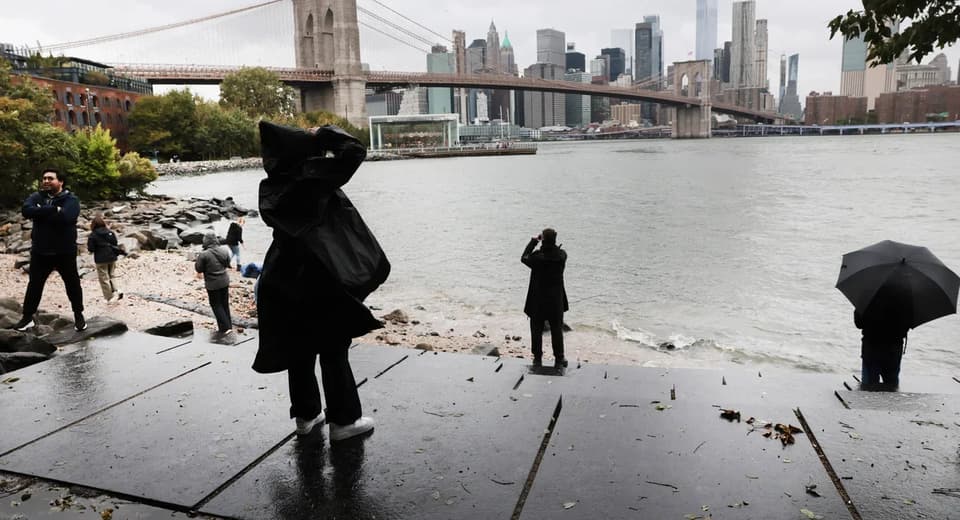
A powerful nor'easter struck the Northeast on September 26, 2026, causing one fatality in Brooklyn and widespread coastal flooding. New York and New Jersey declared states of emergency as winds and rain intensified, with the worst conditions expected through Sunday morning.
Key points
- A 56-year-old man died in East New York, Brooklyn, after being struck by a falling tree; officials are investigating if wind caused the collapse.
- Governor Kathy Hochul declared a state of emergency for NYC and Long Island counties, warning of up to 20-foot waves and 8 inches of rain.
- Coastal areas like Howard Beach and Far Rockaway experienced severe flooding, with some residents using kayaks to navigate submerged streets.
- Power outages affected tens of thousands of customers across New York and New Jersey, with the highest numbers on Long Island.
- Major events, including the Global Citizen Festival, were canceled, and transit services faced disruptions due to downed trees and flooding.
Background
This storm follows a pattern of severe weather events in the region, including Hurricane Lowell in September 2026, which caused significant power outages and damage in Hawaii. The current nor'easter is part of a broader trend of intense coastal storms affecting the Northeast.
How outlets are covering it
Gothamist and ABC7 emphasize the immediate dangers of flooding and wind, highlighting the fatality and the need for public safety. The New York Daily News focuses on the human impact, including the death and the challenges faced by residents in flooded areas. The New York Post provides a broader view of the storm's impact across the region, including power outages and event cancellations. All sources agree on the severity of the storm and the need for public caution.
Why it matters
The nor'easter highlights the increasing frequency and intensity of severe weather events in the Northeast, posing significant risks to public safety and infrastructure. The storm's impact on coastal areas and the need for emergency responses underscore the importance of preparedness and resilience in the face of climate change.
What to watch
The storm is expected to continue through Sunday, with the worst conditions occurring in the morning. Residents are advised to stay indoors and avoid travel. Power restoration efforts are ongoing, and cleanup operations will continue for several days. The weather is expected to improve by Tuesday, with sunnier skies and warmer temperatures.
- 'Much more is coming:' NYC's most serious nor'easter rain starts Saturday night Gothamist
- Nor'easter threatens NYC with flooding, wind damage ABC7 New York
- A persistent nor'easter batters US Northeast, causing coastal flooding, outages and at least 1 death apnews.com
- Nor’easter lashes NYC region with rain, intense winds — at least one person dead New York Daily News
- Violent nor’easter hammers NYC and surrounding region, leaving 1 dead in carnage New York Post
Want the full story? Read the original reporting
Read on Gothamist