
US Destroys Five Iranian Oil Tankers in Escalating Gulf Conflict
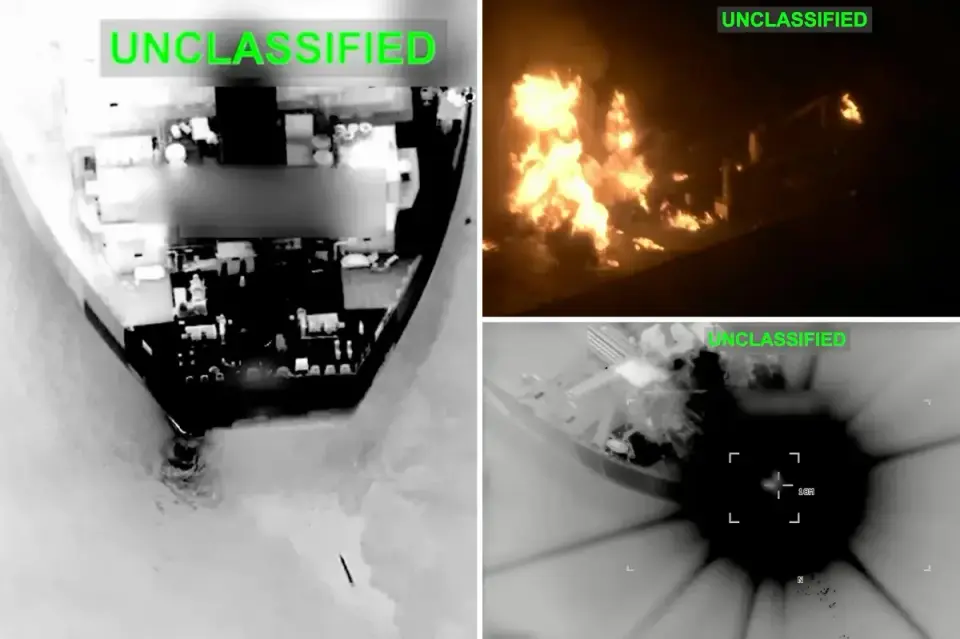
US forces struck and disabled five Iranian oil tankers near Kharg Island and Jask on September 8, 2026, in retaliation for ballistic missile attacks on a US warship. The strikes, which followed three earlier tanker destructions on September 5, aim to cripple Iran’s oil export revenue and fund for the Islamic Revolutionary Guard Corps. Iran has warned of targeting ships in Kuwait and Bahrain, while US officials describe the combined military and economic pressure as a historic effort to isolate Tehran.
Key points
- US Central Command confirmed the destruction of five Iranian crude oil carriers: M/T Kaviz, M/T Charminar, M/T Horizon 1, M/T Riesco, and M/T Derya.
- The strikes were a direct response to the Islamic Revolutionary Guard Corps firing ballistic missiles at a US Navy warship over the previous two days, which the ship successfully evaded.
- CENTCOM stated that crews were directed to abandon the vessels before they were struck and rendered inoperable, with no American personnel harmed.
- Treasury Secretary Scott Bessent called the combined military and economic pressure the 'greatest economic isolation operation in the history of the world,' aiming to asphyxiate the Iranian regime.
- Iran’s IRGC warned that ships in Kuwaiti and Bahraini ports hosting US forces could be targeted in retaliation for the strikes.
Background
This escalation follows a series of strikes on September 5, 2026, where US forces destroyed three Iranian oil tankers after Iran fired missiles at US Navy ships. The current strikes represent a significant increase in the scale of US military action against Iranian maritime assets, intensifying the tit-for-tat exchanges between the two nations in the Gulf region.
Why it matters
The destruction of these tankers directly targets Iran’s primary revenue source, as Kharg Island handles up to 90% of the country’s oil exports. This military action, combined with broad economic sanctions, threatens to severely disrupt global oil supply chains and could lead to further regional instability if Iran follows through on its threats to target US-allied shipping in the Gulf.
What to watch
Iran is expected to weigh its options for retaliation, potentially targeting US-allied shipping in Kuwait and Bahrain. The US is likely to continue its naval presence and economic sanctions to maintain pressure on Tehran, while global oil markets may experience further volatility due to the heightened tensions in the Strait of Hormuz.
Want the full story? Read the original reporting
Read on New York Post