
US deportees face torture in Equatorial Guinea after Trump administration’s third-country deals
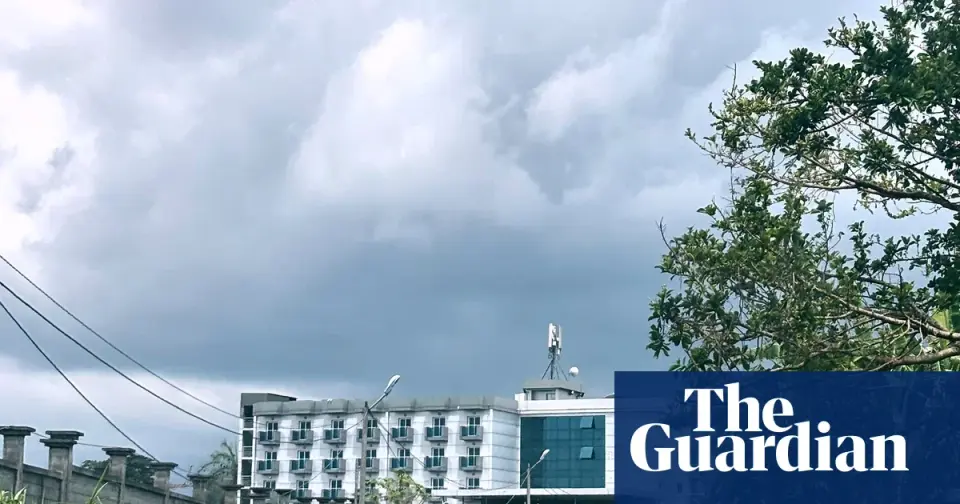
Two US deportees in Equatorial Guinea were beaten and hooded by police after reporting on detention conditions. The US paid $7.5 million to host these migrants, but officials claim no responsibility once custody ends.
Key points
- Ahmed Soliman and Samson Birhane were bound, hooded, and beaten on September 11 in Malabo.
- The US has sent 66 people to Equatorial Guinea under a paid third-country deportation deal.
- Lawyers report that the US embassy ignored repeated alerts about violence and lack of medical care.
- At least 17 deportees have already been returned to their home countries despite US court protections.
- ICE and the State Department maintain that they are not responsible for individuals outside US custody.
Background
The Trump administration has pursued third-country deportation deals to remove migrants whom US judges deemed at risk of persecution if returned home. This follows a broader trend of expedited removals and detention issues, such as the case of Nazira Haji Zada, where legal safeguards were bypassed. Previously, the US allowed such individuals to remain indefinitely, but current policies prioritize removal to third nations.
How outlets are covering it
The Guardian and Just Security emphasize the deliberate cruelty and the US government's complicity in sending people to a known abusive regime. Just Security highlights the contradiction of the US condemning Equatorial Guinea’s human rights record while paying them to accept deportees. U.S. News & World Report focuses on the incommunicado detention of Soliman and the pretextual charges of breaking a mirror. In contrast, ICE and the State Department maintain that once individuals are deported, the US bears no responsibility, calling the destination a 'safe third country' and refusing to comment on the violence.
Why it matters
This case exposes the risks of third-country deportation deals, where migrants are sent to nations with poor human rights records. It raises questions about US accountability for the treatment of deportees abroad and the effectiveness of international legal protections against refoulement.
What to watch
Lawyers continue to demand access to the detainees and the release of Soliman and Birhane. The US embassy has not responded to inquiries, and the situation of the remaining 29 detainees at Hotel Bamy remains precarious, with fears of further retaliation.
- Men deported from US bound and beaten in Equatorial Guinea detention hotel, lawyers say The Guardian
- A Central African Hotel Has Become a Nightmare Prison for U.S. Deportees The New York Times
- US deportees to Equatorial Guinea were arrested and beaten by police, lawyers say ABC News - Breaking News, Latest News and Videos
- America Sent Them Into a Dictatorship’s Torture Chambers, Then Looked Away Just Security
- Egyptian Deported by US to Equatorial Guinea Held Incommunicado for a Week, Lawyer Says U.S. News & World Report
Want the full story? Read the original reporting
Read on The Guardian