Two US deportees in Equatorial Guinea were beaten and hooded by police after reporting on detention conditions. The US paid $7.5 million to host these migrants, but officials claim no responsibility once custody ends.
The U.S. government’s third-country deportation program faced a significant logistical and ethical crisis on August 20, 2026, when five migrants refused to disembark from a flight arriving in Liberia. Instead of entering the West African nation, the group was diverted to Equatorial Guinea, where they are now held in a hotel owned by the president’s family. This incident highlights the chaotic nature of the Trump administration’s strategy to transfer over 23,000 individuals to 26 countries since early 2025. While Liberia’s government frames the arrangement as a humanitarian gesture, critics and civil society groups argue it is an opaque dumping ground for people with no ties to the country. The diversion to Equatorial Guinea, a nation with a $7.5 million deal with Washington, has raised severe concerns about medical neglect and forced repatriation to countries of origin, where some migrants face persecution.
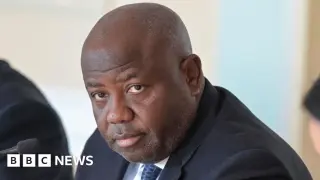
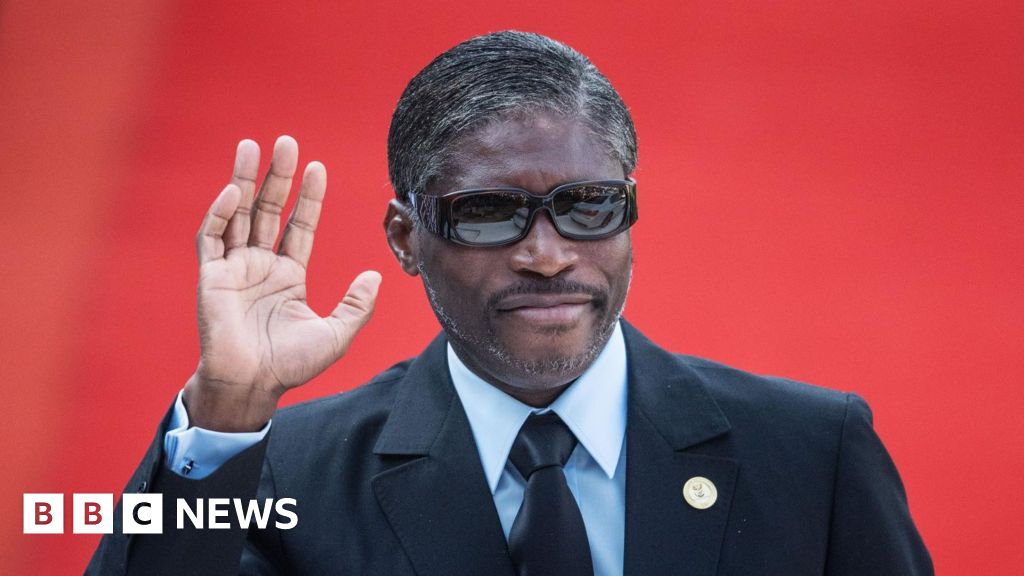
Equatorial Guinea's government resigned after reportedly reaching only about 10% of its targets, with Vice-President Teodoro Nguema Obiang Mangue saying the move follows the principle that public management must deliver results; the ruling PDGE cited corruption and a lack of economic diversification, and a new government is expected to be named.
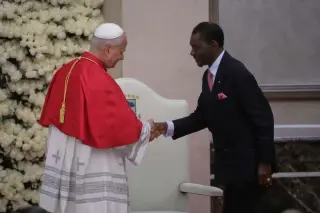
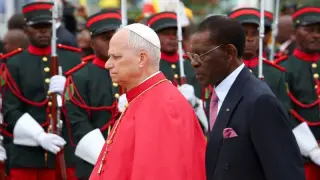
Diaspora communities fear a papal visit to Equatorial Guinea could lend legitimacy to longtime president Teodoro Obiang Nguema Mbasogo, arguing that the church’s attention might mask ongoing abuses and embolden the regime rather than spur accountability.
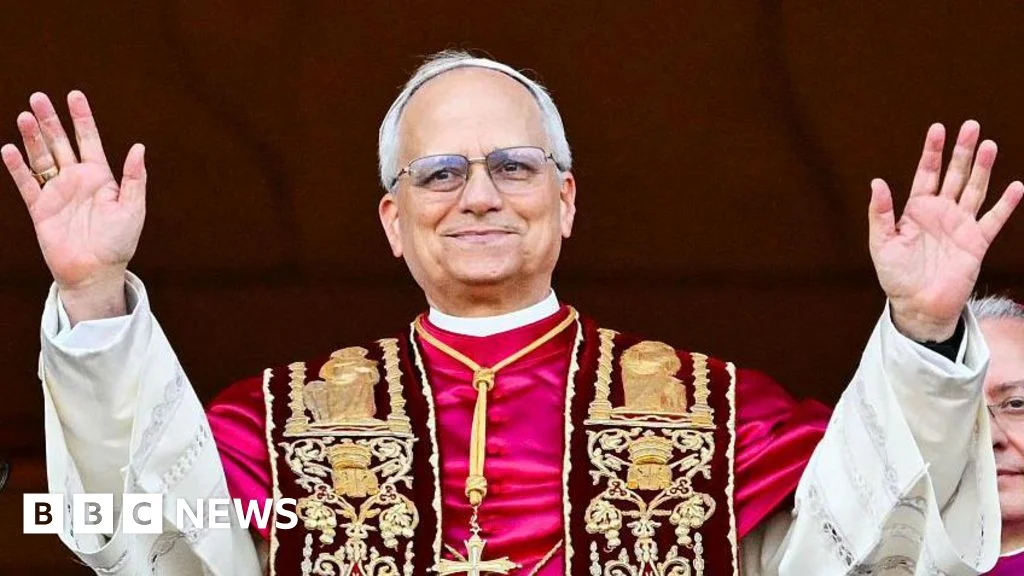
Pope Leo XIV’s 11-day Africa tour has sparked widespread joy among African Catholics but also concern that his meetings with long‑standing leaders in Cameroon and Equatorial Guinea could legitimize entrenched regimes, even as the pope emphasizes peace, reconciliation, and dialogue across Algeria, Cameroon, Angola and beyond.
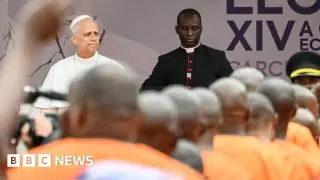
Pope Leo used the final stop of his Africa tour to condemn Equatorial Guinea's prison conditions and urge that the country’s oil wealth be used for the common good, calling for dignity and greater freedoms amid corruption concerns as he prepares to visit the notorious Bata prison.
On the eve of a visit to Bata prison in Equatorial Guinea, Pope Leo XIV arrives for the final leg of his Africa tour amid calls from 70 rights groups to speak out against human-rights abuses and migrant deportations tied to U.S. deals; rights advocates point to long-standing prison and judicial shortcomings, even as authorities release nearly 100 detainees from a 2022 crackdown and activists press for broader reforms.
Pope Leo XIV’s African tour concentrates on Equatorial Guinea and Algeria, skipping Africa’s largest Catholic nations like the Democratic Republic of Congo and Nigeria, prompting mixed reactions from local Catholics who hope for future visits amid security concerns and geopolitical considerations.
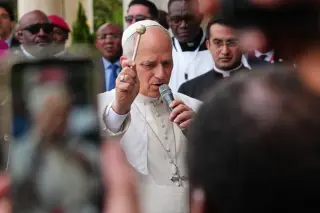
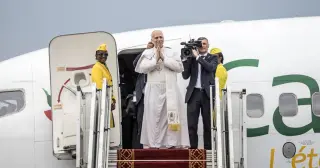
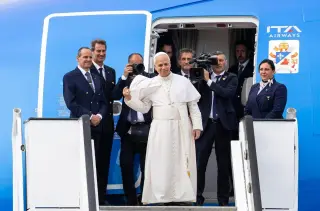
Pope Leo XIV arrives in Malabo to begin the last leg of his 11‑day Apostolic Journey across four African nations, following three days in Angola. His timetable includes meetings with government officials, civil society, and the diplomatic corps, cultural and educational visits, and hospital outreach, before moving on to Mongomo and Bata for Masses, a prison visit, a memorial prayer, and youth events, culminating in a farewell Mass and return to Rome.
Pope Leo XIV will undertake a 10-day pastoral visit to Algeria, Cameroon, Angola and Equatorial Guinea from April 13-23, marking his first Africa trip as pope; the itinerary includes Algiers and Annaba; Yaoundé, Bamenda and Douala; Luanda, Muxima and Saurimo; and Malabo, Mongomo and Bata. The visit highlights Africa's growing importance to the Catholic Church, which is home to about 20% of the world's Catholics; the official schedule has not yet been released.
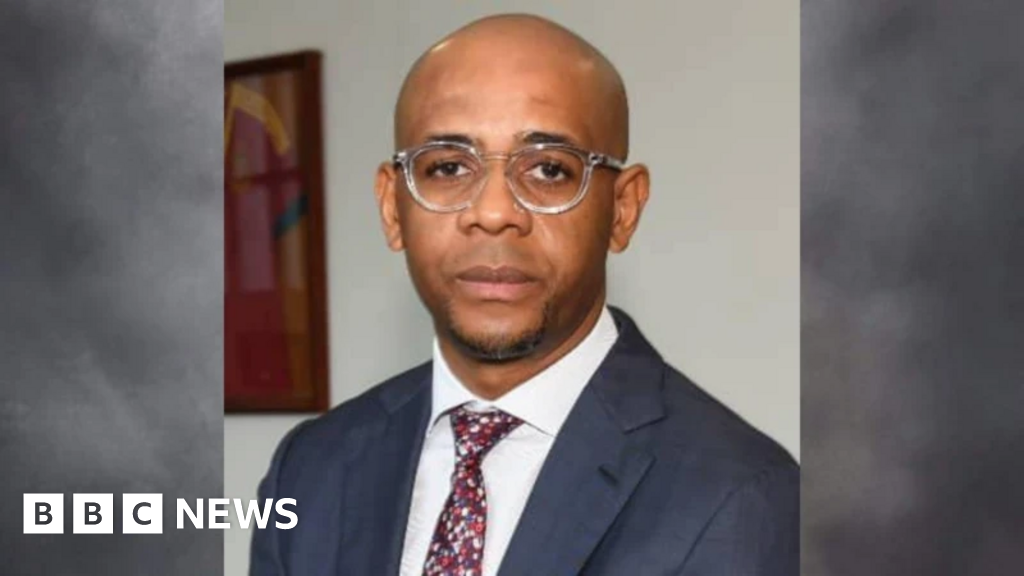
A massive leak of sex tapes involving Baltasar Ebang Engonga, a senior civil servant and nephew of Equatorial Guinea's President Teodoro Obiang Nguema, has sparked a scandal that may be linked to political maneuvering over presidential succession. Engonga, who was detained on corruption charges, is seen as a potential successor to the aging president. The leak, which includes videos of Engonga with women connected to the political elite, is suspected to be an attempt to discredit him. The scandal highlights the country's political intrigue and ongoing issues with corruption and human rights abuses.
Equatorial Guinea's Vice-President Teodoro Obiang Mangue has warned civil servants against engaging in sexual activities in their offices, following the leak of videos allegedly showing high-ranking official Baltasar Ebang Engonga in compromising situations. Engonga, who is also facing corruption charges, is accused of having sex with various women, including officials' wives, in his office. The vice-president has ordered the installation of surveillance cameras in government buildings and recommended an investigation, while internet traffic in the country has been disrupted to curb the spread of the videos.
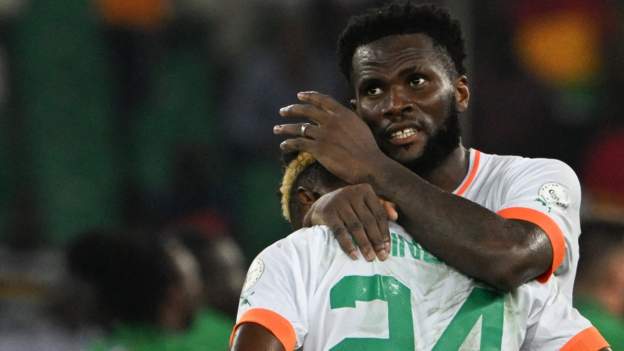
Host nation Ivory Coast faces potential Africa Cup of Nations group-stage exit after suffering a shocking 4-0 defeat to Equatorial Guinea, leaving them to rely on other results for qualification. Equatorial Guinea's dominant performance secured them top spot in Group A, while Ivory Coast finished third. The Ivorians missed several chances and had two goals disallowed, leading to a disappointing loss that may see them eliminated from the tournament.
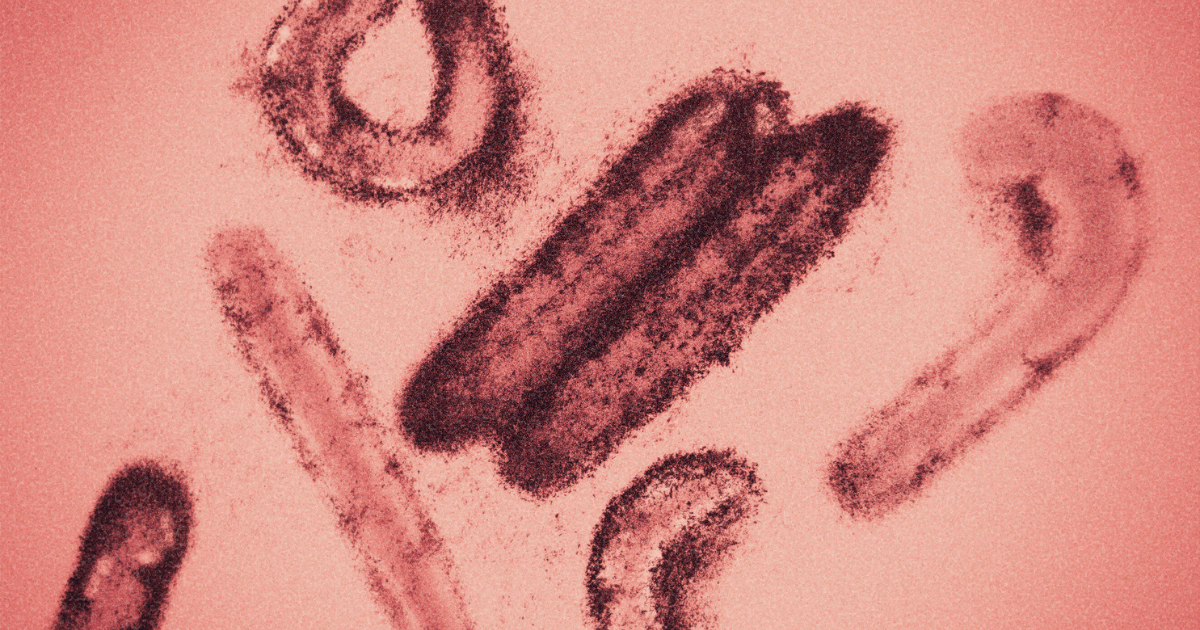
The Marburg virus, a filovirus similar to Ebola, has caused an outbreak in Equatorial Guinea, with 15 confirmed and 23 probable cases and 34 deaths reported so far. The disease is transmitted through close contact with infected individuals or animals, and outbreaks often start when a person comes into contact with an infected animal. Symptoms include high fever, severe headaches, extreme fatigue, and eventually, bleeding. There is currently no vaccine or antiviral treatment for the Marburg virus, but surveillance, case detection, and isolation of infected individuals are crucial in preventing its spread.
Equatorial Guinea has confirmed six more laboratory-confirmed cases of Marburg disease, bringing the total number of cases to 15. The World Health Organization (WHO) has been monitoring the outbreak.