
Carney's EU 'Associate' Bid: A New Middle Power Alliance
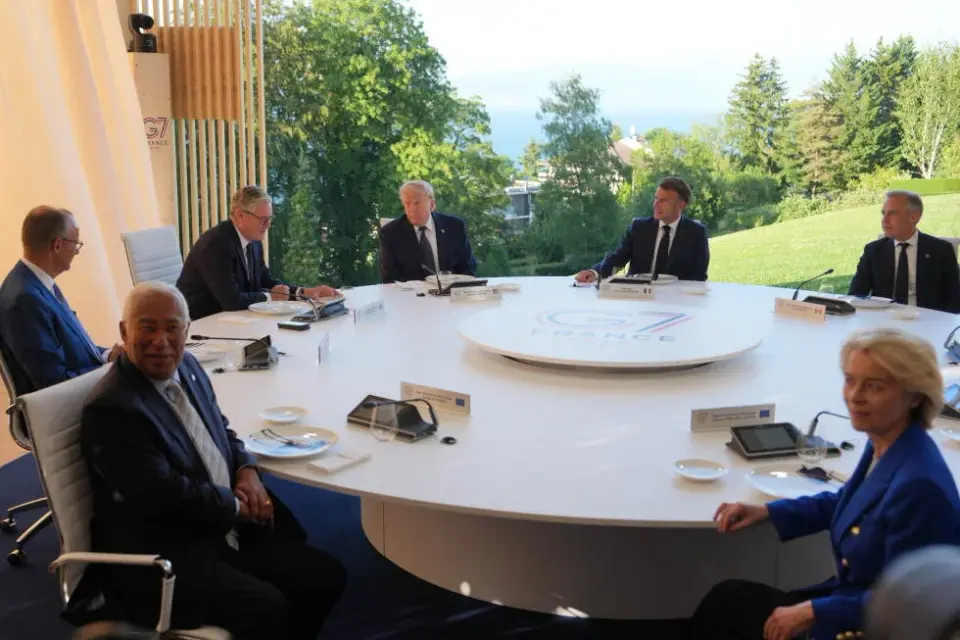
Canadian Prime Minister Mark Carney is pivoting away from heavy reliance on the United States by seeking a historic 'associate membership' with the European Union. While Ottawa aims to double non-US trade and secure a deal with India, the EU offer remains largely symbolic, with critics questioning its practical value against the US market's dominance.
Key points
- EU Commission President Ursula von der Leyen proposed Canada become the first 'associate member' of the EU, a status that does not currently exist in EU law.
- Carney framed the move as a 'middle power' alliance to ensure resilience, not to create a rival bloc to the US, emphasizing shared democratic values and security.
- Canada aims to double non-US trade within a decade and secure a free-trade deal with India by year's end, with tariff-free access to 1.5 billion consumers potentially doubling in six months.
- The US accounts for roughly 70% of Canadian exports, making a rapid shift away from Washington economically difficult despite political rhetoric.
- Trump dismissed the EU associate idea as 'laughable' and threatened heavy tariffs on Europe if the move is deemed hostile to US interests.
Background
This follows Carney's August decision to suspend trade negotiations with the US over terms he deemed unacceptable. Recent months have seen Canada deepen ties with France and the EU, including joining the EU's military procurement program and signing a defense partnership in June 2025. The current push for 'associate membership' builds on these steps, aiming to formalize a broader strategic partnership beyond just trade.
How outlets are covering it
AP News emphasizes the economic diversification strategy, highlighting Carney's goal to double non-US trade and the 'trust' Canada offers as a stable alternative to US unpredictability. The Guardian focuses on the political novelty of the 'associate member' label, noting skepticism from EU insiders who call it an 'empty phrase' and highlighting Canadian Conservative opposition to EU regulatory influence. NBC News frames the event as a geopolitical shift, with Carney urging 'middle powers' to unite for resilience, while noting the practical limitations of replacing the US market, which still absorbs nearly 70% of Canadian exports. All sources agree that the move is a direct response to US pressure, but differ on its immediate economic impact versus long-term strategic value.
Why it matters
This marks a significant shift in Canadian foreign policy, moving from a traditional US-centric approach to a multi-aligned strategy. If successful, it could reshape global trade and security alliances, offering a model for other nations seeking to reduce dependence on US power. However, the practical challenges of replacing the US market remain substantial, and the 'associate membership' concept may prove more symbolic than substantive in the near term.
What to watch
Canada and the EU are scheduled to hold a summit in Montreal on October 29-30 to develop the relationship. Carney aims to finalize a free-trade deal with India by year's end. The EU will need to clarify the meaning of 'associate membership' and secure buy-in from all 27 member states, a process that could face significant hurdles.
- Trump shattered Canada’s old US relationship. Carney is building a new one in Europe AP News
- Opinion | Canada Has a Crush on Europe wsj.com
- European Union invites Canada to become first ever ‘associate member’ The Guardian
- Canada and E.U. seek ‘middle powers’ alliance to counter Trump threats NBC News
- The New World Order Is Here New York Magazine
Want the full story? Read the original reporting
Read on AP News