Canadian Prime Minister Mark Carney is pivoting away from heavy reliance on the United States by seeking a historic 'associate membership' with the European Union. While Ottawa aims to double non-US trade and secure a deal with India, the EU offer remains largely symbolic, with critics questioning its practical value against the US market's dominance.
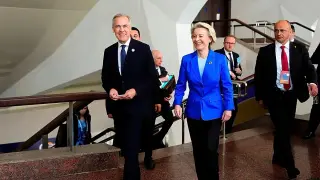
European Commission President Ursula von der Leyen proposed 'associate membership' for Canada, a status not currently defined in EU treaties. Prime Minister Mark Carney welcomed the idea as a strategic alliance, while Donald Trump threatened retaliatory tariffs, calling the move a 'hostile act.'
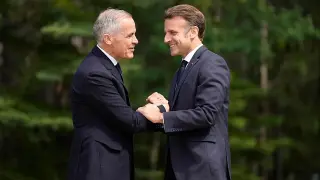
French President Emmanuel Macron and Canadian Prime Minister Mark Carney are meeting in the French archipelago of Saint Pierre and Miquelon to discuss Arctic sovereignty, energy security, and closer Canada-EU ties, marking the first presidential visit to the territory in over a decade.
Prime Minister Mark Carney has welcomed the European Union's proposal to make Canada its first 'associate member,' a status that does not currently exist in EU law. The move, announced during Carney's address to the European Parliament, aims to deepen cooperation on defense, energy, and critical minerals while facilitating people-to-people ties. This pivot toward Europe is driven by escalating trade tensions with the United States, where President Donald Trump has threatened 'heavy tariffs' on the EU if it proceeds with Canada. While 80% of Canadians support closer EU ties, the proposal faces significant hurdles, including the need for unanimous approval from all 27 EU member states and skepticism from Canadian opposition leaders.
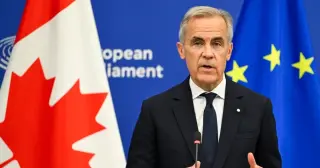
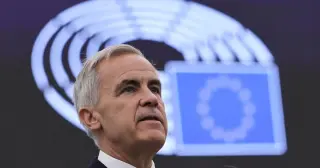
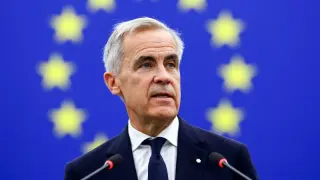
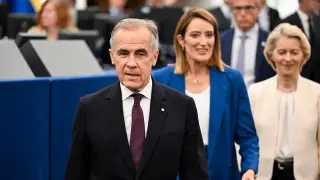
Canadian Prime Minister Mark Carney addressed the European Parliament in Strasbourg on September 17, 2026, acknowledging the European Commission’s proposal for Canada to become an 'associate member.' While Carney welcomed the ambition of the idea and cited strong public support for closer ties, he declined to formally endorse the specific status. Instead, he outlined concrete areas for cooperation, including critical minerals, defense, AI, energy security, and space, while emphasizing the need for seamless digital trade and participation in student exchange programs. Carney confirmed that the Canadian Parliament will eventually vote on the matter, noting that the House of Commons returns from summer break on Monday. The discussion follows a surprise announcement by Commission President Ursula von der Leyen, which had not been pre-coordinated with other EU capitals. U.S. President Donald Trump warned of potential tariffs if Canada moves closer to the EU, prompting Ottawa to seek additional trade guarantees and industrial policy alignment to protect against protectionist measures.
Canadian Prime Minister Mark Carney accepted the European Union's invitation to become its first 'associate member' but explicitly rejected full membership and any ceding of sovereignty. He framed the new partnership as a resilience strategy against US trade pressures, not a rival bloc. While the EU sees a strategic realignment, critics argue it binds Canada to a stagnant partner.
EU Commission President Ursula von der Leyen outlined a strategy for Europe to lead a coalition of 'middle powers' independent of the United States. She proposed a new 'European Security Council' including the UK, Norway, Canada, and Ukraine, and suggested 'associate membership' for Canada. While framing this as a response to Russian and Chinese threats, critics argue the plan risks undermining NATO and lacks concrete solutions for immediate economic and financial crises.
Canadian Prime Minister Mark Carney is set to address the European Parliament in Strasbourg, outlining Ottawa’s pursuit of an 'associate membership' status with the EU rather than full integration. This move follows Canada’s recent entry into the EU’s 150-billion-euro SAFE defense procurement program and reflects a strategic pivot toward Europe amid tensions with the United States. While full membership is rejected to preserve sovereignty, Canada seeks deeper cooperation in energy, AI, and digital trade, signaling a new era of transatlantic alignment that is closely monitored by Washington.
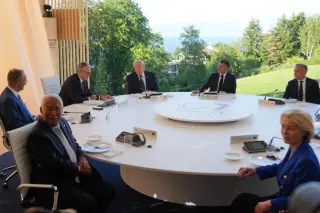
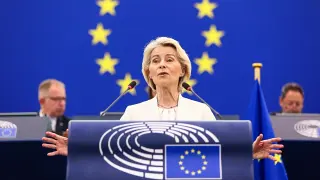
European Commission President Ursula von der Leyen delivered her annual State of the Union address in Strasbourg, proposing a new 'associate membership' status for Canada, a European Security Council, and an emergency protocol for hybrid attacks. She also announced initiatives on climate resilience, digital safety, and migration management, framing Europe's response to global instability as a path toward greater sovereignty.
European Commission President Ursula von der Leyen announced that the EU is opening the door for Canada to become its first 'associate member,' a new status designed to deepen ties without granting full membership. This move responds to Canadian Prime Minister Mark Carney’s push for a 'unique security and economic alliance' amid a severe trade war with the United States. The proposal aims to reduce mutual dependence on Washington, particularly in energy, technology, and defense, while navigating the EU’s traditional reluctance to create flexible membership categories.
Prime Minister Mark Carney is pursuing a 'unique security and economic alliance' with the European Union to reduce Canada's reliance on the United States. While Ottawa seeks closer ties in defense and trade, critics warn that deeper EU integration could impose restrictive agricultural regulations and fail to replace the US market. The move follows a fractured relationship with Washington and aims to attract foreign investment through new incentives.
Canadian Prime Minister Mark Carney is exploring 'associate member' status with the European Union to deepen economic and political ties amid a severe trade conflict with the United States. While the status does not currently exist, EU officials have shown openness to creating such an arrangement. Carney is set to address the European Parliament next week to outline this vision, focusing on cooperation in energy, defense, and technology. This move follows Canada’s imposition of retaliatory tariffs on US goods and a broader diplomatic pivot toward Europe, including a joint visit by Carney and French President Emmanuel Macron to Saint-Pierre-and-Miquelon.
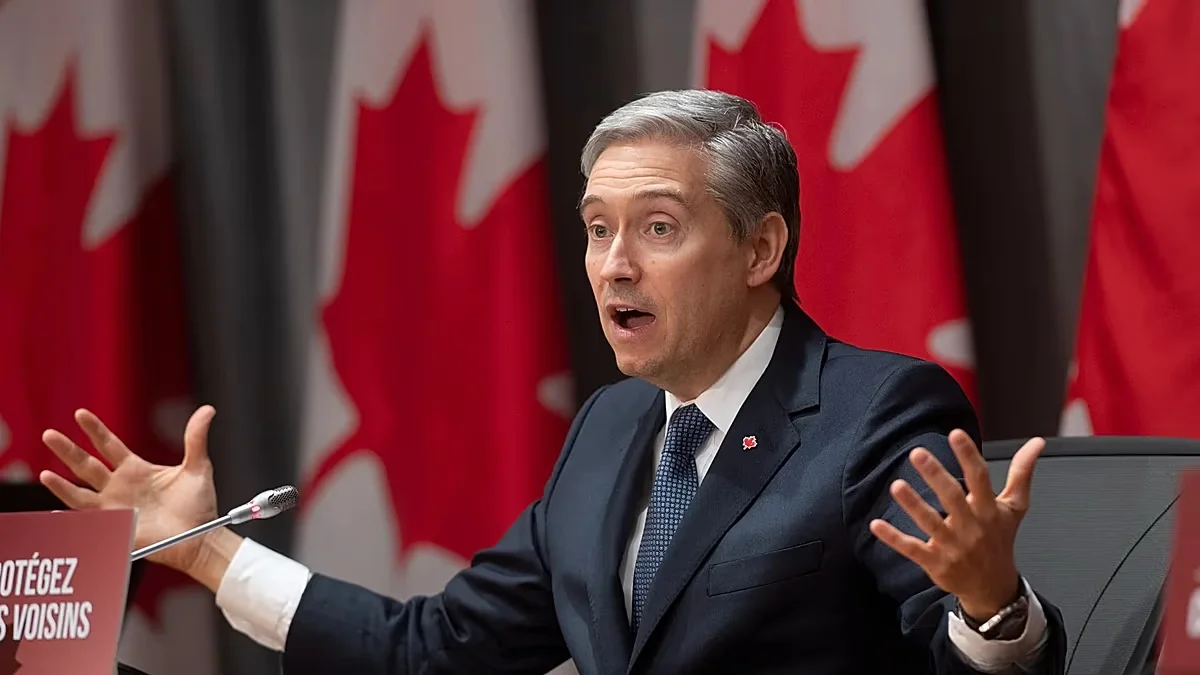
Canadian Finance Minister François-Philippe Champagne attended a Brussels meeting of euro-area finance ministers—the first time a non-euro-area minister was invited—to discuss global macroeconomic imbalances and to deepen Canada’s ties with the EU, including security, critical minerals, innovation, and trade diversification. While no new policies were decided, ministers signaled ongoing dialogue and potential coordination, with future discussions planned in formats like the G7 and G20.