
Kyiv faces deadly strikes as US intelligence gaps and Starlink limits spark crisis
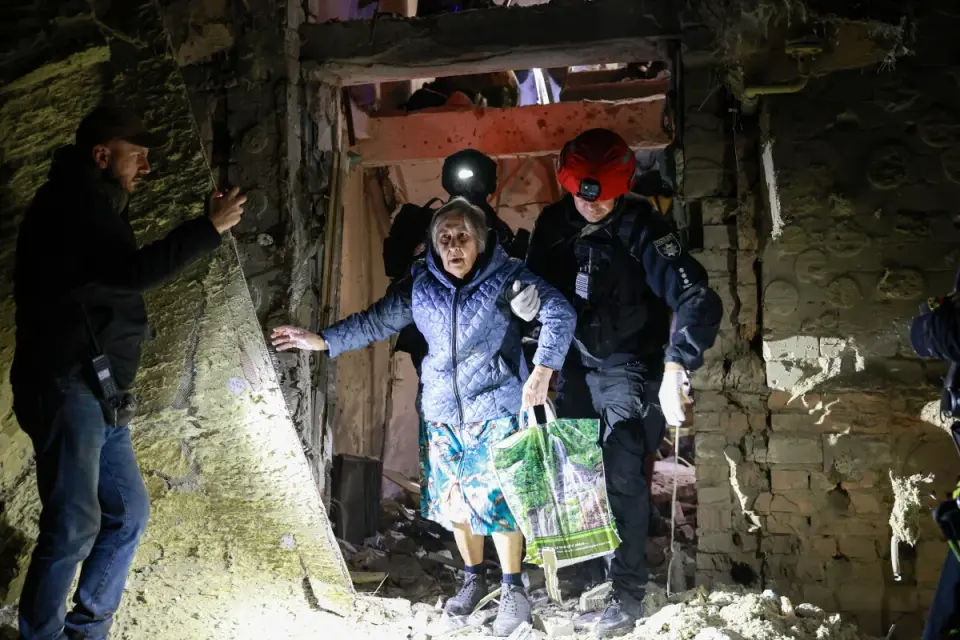
Russia launched a massive overnight attack on Ukrainian energy sites, killing at least one person and leaving 550,000 households without power. President Zelenskyy stated that Kyiv received no warning for the first wave of ballistic missiles, a claim disputed by Washington. The incident coincides with ongoing disputes over US intelligence sharing, Starlink speed restrictions, and delayed air defense deliveries, intensifying tensions between Kyiv and the Trump administration.
Key points
- Russian forces targeted energy facilities in 11 regions with over 200 drones and ballistic missiles, causing power outages for 550,000 households.
- Zelenskyy stated that Ukraine received no warning for the first wave of strikes, while the US Air Force confirmed a warning was received for the second wave.
- US Secretary of State Marco Rubio denied any pause in intelligence sharing, citing a 'software problem' in the early warning system.
- Ukraine reported that Starlink speed limits are hindering drone operations and military logistics, a claim denied by the US government.
- A 21-year-old woman died in the Kyiv attacks, and a data center was destroyed, according to Ukrainian emergency services and the Datagroup company.
Background
This escalation follows a series of Russian strikes on Ukrainian infrastructure in October 2026, including a deadly barrage on October 7 and a collapsed 'energy ceasefire' on October 13. The current tensions are exacerbated by a dispute over US sanctions relief for Russia and delayed deliveries of Patriot interceptors to Ukraine.
How outlets are covering it
AP and The Guardian emphasize the lack of warning for the first strike, highlighting Zelenskyy's accusation that the US is withholding intelligence to pressure Kyiv. The BBC reports that Zelenskyy's adviser, Serhii Beskrestnov, believes the intelligence and Starlink issues are deliberate attempts to force Ukraine into negotiations. The Financial Times notes that while the US provided warning for the second wave, the inconsistency in intelligence sharing has raised concerns. The US, through Rubio, maintains that any issues were due to technical glitches, not policy.
Why it matters
The incident underscores the fragility of US-Ukraine relations and the potential consequences of intelligence gaps for civilian safety. It also highlights the strategic importance of Starlink in modern warfare and the risks of its restriction. The ongoing dispute could impact future aid and diplomatic efforts to end the war.
What to watch
Ukraine is exploring alternative communication systems to replace Starlink. The US is investigating the 'software problem' in the early warning system. Diplomatic talks between Russia and Ukraine regarding the humanitarian crisis in Oleshky are ongoing, with Pope Leo XIV urging a ceasefire. The US and Russia are reportedly discussing a trilateral meeting at an APEC summit, though Kyiv has rejected the idea.
- Zelenskyy says Ukraine got no early warning from partners as Russia hits the power grid again AP News
- Ukrainians dying because US restricting intelligence sharing, Zelensky adviser tells BBC BBC
- US gave us no warning of Russian strikes on Kyiv power plants, Zelenskyy says The Guardian
- Zelenskiy says Ukraine got no warning as Russian missiles rain in Reuters
- Ukraine receives partial intelligence on Russian ballistic missile strikes Financial Times
Want the full story? Read the original reporting
Read on AP News