
Melania Trump’s Oleshky Ceasefire Begins as Kyiv Faces Fresh Missile Strikes
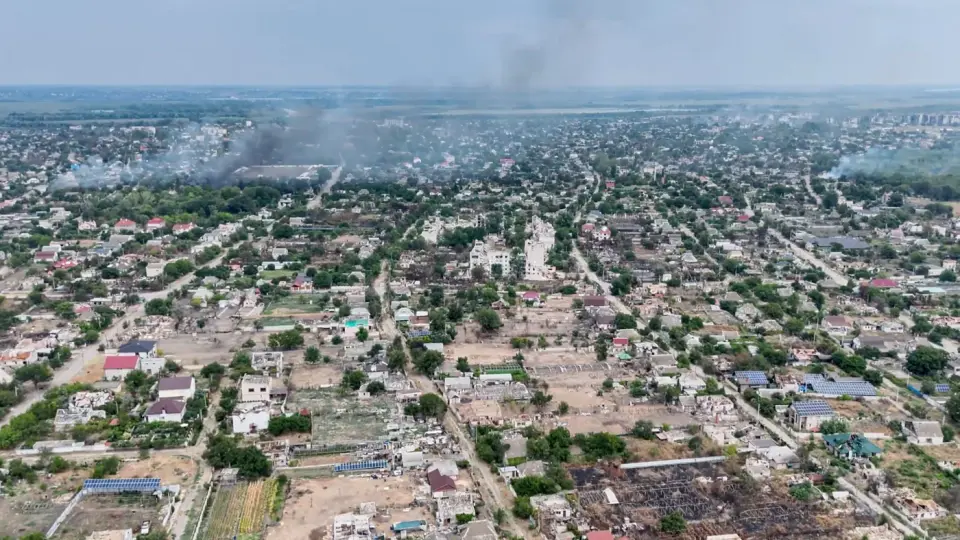
A localized ceasefire took effect at 3 a.m. on Tuesday in the Russian-occupied town of Oleshky, Ukraine, to facilitate humanitarian aid and civilian evacuation. Brokered by U.S. First Lady Melania Trump, the truce aims to reach approximately 2,000 stranded residents facing severe shortages of food, medicine, and electricity. While the pause in fighting allows for mine clearance and aid delivery, missile attacks continued in Kyiv and Kharkiv, highlighting the fragile nature of the agreement. The operation is expected to last through Saturday, though deep mistrust between the belligerents and conflicting narratives about the humanitarian crisis remain significant obstacles.
Key points
- The ceasefire began at 3 a.m. local time to allow aid into Oleshky and prepare evacuation corridors.
- Approximately 2,000 people, primarily elderly, remain stranded in Oleshky with dwindling supplies.
- Melania Trump brokered the deal after meeting with U.N. officials and civilian negotiators.
- Missile strikes in Kyiv and Kharkiv occurred shortly after the ceasefire began, killing several people.
- The truce is expected to last through Saturday, pending mine clearance and humanitarian operations.
Background
Oleshky, located in the Kherson region, has been under Russian occupation since the 2022 invasion. The town suffered severe flooding in 2023 due to a dam collapse and has faced a deepening humanitarian crisis since May 2026, with no food deliveries reaching the area. Previous localized ceasefires in the region have often failed due to mistrust and military violations. This current agreement follows weeks of diplomatic pressure, including calls from Pope Leo XIV and European leaders, to address the plight of residents who have resorted to eating weeds and grass to survive.
How outlets are covering it
NPR and NBC News emphasize Melania Trump’s role as the primary broker, citing White House statements that credit her intervention for securing the pause. However, the Financial Times and BBC note that Pope Leo XIV initiated diplomatic efforts earlier in October, creating a dispute over credit. Zelenskyy’s office views the ceasefire with skepticism, warning that Russia may use the evacuation to relocate residents to Russian territory rather than allowing them to return to Ukraine. Russian officials, meanwhile, blame Ukraine for mining roads and using residents as human shields, while Ukrainian authorities accuse Russia of blocking aid and maintaining a siege. All sources agree that the humanitarian situation is critical, with residents facing starvation and a lack of basic utilities, but they differ on the root causes and the reliability of the truce.
Why it matters
This ceasefire represents a rare, U.S.-brokered humanitarian pause in the ongoing war, potentially setting a precedent for future aid operations. It highlights the escalating humanitarian crisis in occupied territories and the complex diplomatic dynamics involving the U.S., Vatican, and European powers. The success or failure of this mission could influence broader peace talks expected next month and signal whether localized truces can be sustained amid active combat elsewhere.
What to watch
Humanitarian aid, including food, medicine, and water, is scheduled to be delivered to Oleshky before evacuation corridors open. Buses are expected to transport residents out of the town by Thursday, with the ceasefire potentially lasting through Saturday or longer. Civilian negotiators from both sides will assess the needs of remaining residents, and an impartial American media organization will document the process. A new round of U.S.-brokered peace talks between Russia and Ukraine is expected next month, potentially in Abu Dhabi, to discuss ending the war.
- Local ceasefire brokered by Melania Trump starts in southern Ukraine NPR
- Ceasefire brokered by Melania Trump goes into effect in Russian-occupied town ‘on the brink of disaster’ NBC News
- Russia and Ukraine begin local ceasefire in frontline city Financial Times
- Cease-Fire Brokered by Melania Trump Begins in Ukrainian City of Oleshky The New York Times
- Truce begins in Ukraine city where residents ate weeds to survive BBC
Want the full story? Read the original reporting
Read on NPR