
Oil Plunges as Iran Proposes Seven-Day Timeline to Reopen Strait of Hormuz
Crude oil prices dropped over 2% after Iranian officials proposed a seven-day timeline to reopen the Strait of Hormuz, contingent on US compliance with a June memorandum. While Tehran signaled willingness to dilute nuclear stockpiles, the US maintains a naval blockade, and regional tensions persist due to Houthi attacks and Chinese military support for Iran.
Key points
- Iranian Foreign Minister Abbas Araghchi outlined a seven-day plan to reopen the Strait of Hormuz, starting with US actions from a June memorandum, followed by reopening on day six and negotiations on day seven.
- West Texas Intermediate oil fell below $92 and Brent crude dropped to near $97, reversing recent gains as diplomatic prospects improved.
- US Central Command reported redirecting 122 commercial vessels to enforce a naval blockade near Iran, which has been in place since July 14.
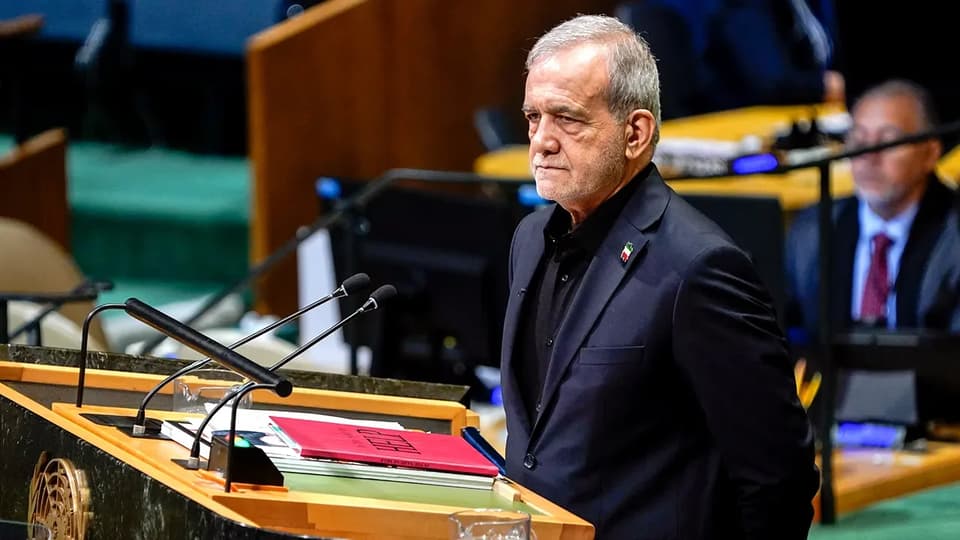
- Iranian President Masoud Pezeshkian denied ambitions for nuclear weapons, stating Tehran is willing to dilute enriched uranium and accept international verification.
- Houthi officials confirmed they are not targeting US ships in the Red Sea but continue attacks on Saudi Arabia, prompting France and other nations to send defense systems to Saudi ports.
Background
This development follows a period of heightened volatility in oil markets, where prices had risen in early September due to fears of supply disruptions. A previous memorandum of understanding signed in June offered a 60-day window for negotiations but collapsed in July. Recent diplomatic efforts during the UN General Assembly have aimed to restart these talks, with mediators including Qatar and Pakistan playing key roles.
How outlets are covering it
Fox News emphasizes the immediate market reaction and the specific timeline proposed by Iran, highlighting the potential for a quick resolution. The Times of India focuses on the nuclear dimension, noting Pezeshkian's denial of bomb ambitions and the IAEA's concerns over verification. Both outlets agree on the diplomatic progress but differ in emphasis: Fox News highlights the economic and military enforcement aspects, while The Times of India focuses on the nuclear non-proliferation angle and the US-Iran blame game regarding the conflict's escalation.
Why it matters
The reopening of the Strait of Hormuz is critical for global energy security, as it handles a significant portion of world oil shipments. A successful deal could stabilize oil prices and reduce geopolitical tensions, while a failure could lead to further supply disruptions and economic instability. The nuclear issue remains a core concern for the US and international bodies, with potential implications for regional security and global non-proliferation efforts.
What to watch
The next 24-48 hours are crucial, as the US must decide whether to accept Iran's seven-day plan. If accepted, the timeline begins immediately, with the strait potentially reopening on day six. If rejected, tensions may escalate, and the naval blockade could continue. Additionally, the IAEA's ability to verify Iran's nuclear program will be a key factor in any future negotiations.
- Crude oil prices slide after Iranian and US negotiators discuss opening Strait of Hormuz Fox News
- Iranian president blames US for Middle East conflict while denying nuclear ambitions, offers to dilute uranium Fox News
- Iranian President Pezeshkian brought a diplomatic tone to New York for UNGA. What did his remarks signal? DW.com
- ‘It is unholy, It is illegal’: Iran President Pezeshkian denies nuclear bomb ambition The Times of India
- Iranian President Denies Nuclear Ambitions Newsradio WOOD 1300 and 106.9 FM
Want the full story? Read the original reporting
Read on Fox News