
Post-Midterm, Trump Weighs Iran War Resumption vs. Diplomatic Deal Amid Iranian Taunts
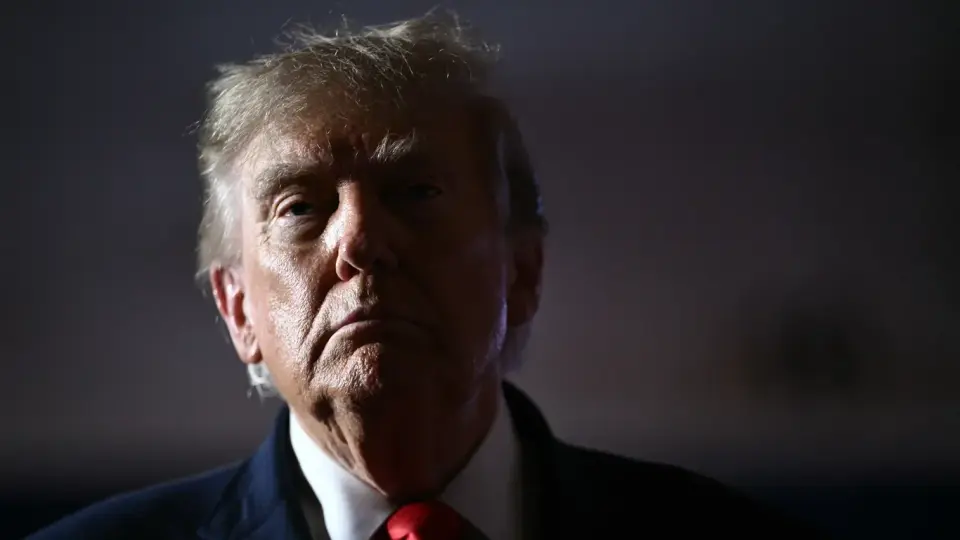
Following a decisive Republican loss in the US midterm elections, President Donald Trump faces a strategic dilemma regarding the ongoing conflict with Iran. While he acknowledges the war contributed to his party’s defeat by driving up gas prices, he insists the action was necessary to prevent a nuclear weapon. The administration is now weighing three options: resuming military strikes, negotiating a deal, or maintaining a naval blockade and economic sanctions. Meanwhile, Iranian officials are celebrating the US political setback as a victory, potentially complicating diplomatic efforts.
Key points
- Trump conceded that the Iran war cost Republicans the midterms, citing high gas prices, but stated he would repeat the action to prevent Iran from acquiring a nuclear weapon.
- Vice President JD Vance publicly blamed the war for the GOP’s defeat, arguing that losing the Senate for six years was not worth the conflict, a view shared by many senior aides.
- Iranian officials, including Supreme Leader Mojtaba Khamenei, dismissed the idea that US policy will change, with Khamenei stating that US hostility will persist regardless of election results.
- Oil prices fell for a fourth consecutive day, with Brent crude dropping to $93.65 per barrel, as markets reacted to the perception that a weakened Trump is less likely to escalate military action.
- Qatari mediators are working to secure a draft agreement to prevent renewed combat, while the US military continues to prepare for potential resumption of major operations in the region.
Background
The current standoff follows months of escalating tensions, including a US-Israel military campaign against Iran that began in February 2026. Previous reports indicated that the Pentagon had prepared strike options while Trump weighed the timing of the November 3 midterms. In October, Trump ruled out nuclear weapons and ground troops but kept conventional strikes on the table. The recent midterm results, which saw Democrats take control of both the House and Senate, have significantly altered the political calculus for the administration.
How outlets are covering it
Axios highlights the internal division within the Trump administration, noting that while Vance and most senior advisers favor a deal or economic pressure, Trump has leaned toward resuming war. The outlet emphasizes that Trump’s decision is influenced by a desire to avoid appearing like a 'loser twice.' Al Jazeera focuses on the market reaction, reporting that oil prices have dropped as investors believe a politically weakened Trump is more likely to seek a deal. It also notes that Iranian officials are celebrating the US defeat as a strategic victory. The Guardian provides a more critical view, suggesting that Trump may be tempted to resume bombing to salvage a legacy, despite the political cost. It points out that Iranian leaders are using the US defeat to justify continued resistance, while Gulf states and China are pushing for a diplomatic resolution. The outlets differ on the likelihood of immediate escalation, with Axios and Al Jazeera suggesting a pause for diplomacy, while The Guardian warns of a potential aggressive reaction from Trump.
Why it matters
The outcome of this decision will determine the future of the US-Iran conflict and its impact on global energy markets. A resumption of war could lead to further spikes in oil prices and regional instability, while a deal could ease tensions but may be seen as a concession by hardliners. The US midterm results have created a new political dynamic, with a Democratic-controlled Congress potentially constraining Trump’s military options, while Iran’s posture may influence the pace and terms of any potential negotiations.
What to watch
In the coming weeks, the focus will be on whether Qatari mediators can secure a draft agreement to prevent renewed combat. The US military is expected to continue preparing for potential operations, while Iranian officials will likely assess the new US political landscape. Oil markets will remain sensitive to any developments in the negotiations or military posturing. The next two months, before the new Congress convenes in January, are critical for Trump to act with greater latitude, as he faces reduced accountability from a weakened Republican party.
- After midterm defeat, Trump faces mostly bad options in Iran Axios
- Iran says Americans voted against the war after midterm results Yahoo
- Iran war live: Khamenei says US hostility will persist after midterms Al Jazeera
- Tehran gloats as Republicans take a beating Politico
- Iran unveils ‘We will kill Trump’ banner – but US president may now be tempted to resume bombing The Guardian
Want the full story? Read the original reporting
Read on Axios