
Trump halts new Russia sanctions to lower fuel costs, deepening rift with Ukraine
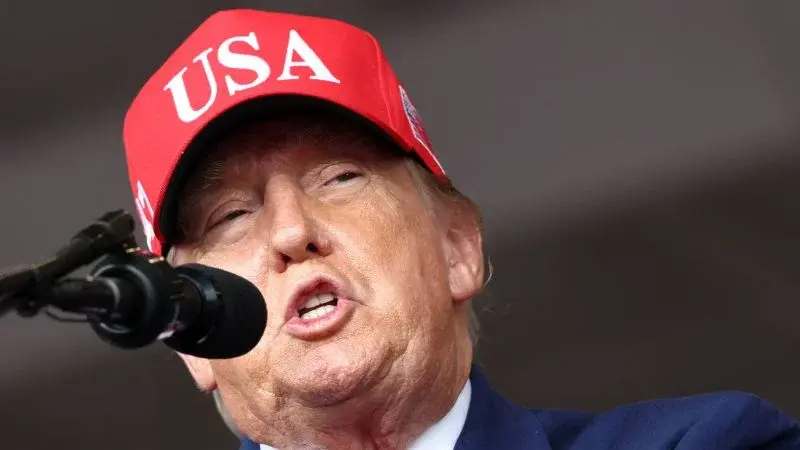
President Trump issued an executive order waiving new sanctions against Russia, days after signing the legislation into law. The move suspends tariffs on major importers of Russian oil and gas, aiming to lower domestic fuel prices ahead of the November midterm elections. The decision has triggered bipartisan backlash in Washington and intensified tensions with Ukraine, as European leaders prepare new sanctions against Moscow.
Key points
- Trump waived the Lindsey O. Graham Sanctioning Russia and Iran Act, which he signed in September, citing 'national interests' in an executive order released on October 16.
- The waived measures included potential tariffs of up to 100% on the top five importers of Russian oil and gas, as well as sanctions against Russian officials, banks, and a 'shadow fleet' of tankers.
- The decision follows a recent agreement to import Russian diesel to lower US energy prices, a move that shocked lawmakers and triggered a bipartisan backlash.
- Tensions with Ukraine have worsened, with reports of restricted US intelligence sharing and limitations on military-grade Starlink services, while Kyiv faces shortages of Patriot interceptor missiles.
- European leaders are preparing a 22nd package of sanctions against Russia, contrasting with the US administration's approach to ease pressure on Moscow.
Background
The Lindsey O. Graham Sanctioning Russia and Iran Act was passed by Congress in a rare bipartisan agreement and signed into law by Trump in September 2026. The legislation was named after late Senator Lindsey Graham, a prominent Russia hawk who died in July. The sanctions were scheduled to take effect on October 18, 2026, but Trump's executive order preempted their implementation. This move occurs amid a four-year-old war between Russia and Ukraine, with ongoing disputes over US support for Kyiv and domestic pressure to reduce fuel prices before the November midterm elections.
How outlets are covering it
CNN and The Guardian emphasize the bipartisan criticism of the waiver, with lawmakers from both parties condemning the move as a betrayal of Ukraine and a prolongation of the war. The Independent and BBC highlight the domestic political context, linking the waiver to Trump's efforts to lower fuel prices ahead of the midterm elections. All sources note the worsening relationship between Trump and Ukrainian President Volodymyr Zelensky, including disputes over intelligence sharing and Starlink restrictions. European leaders are portrayed as strengthening their own sanctions against Russia, in contrast to the US administration's approach.
Why it matters
The waiver undermines a key tool for pressuring Russia to end its war on Ukraine, potentially prolonging the conflict. It also signals a shift in US foreign policy priorities, prioritizing domestic economic concerns over international alliances. The move could embolden Russia and weaken Ukraine's defensive capabilities, while European allies may feel compelled to take a stronger stance against Moscow. The decision also raises questions about the balance of power between the executive and legislative branches in foreign policy.
What to watch
The waiver will remain in effect until the Trump administration determines that 'further action is appropriate.' European leaders are expected to finalize a new package of sanctions against Russia. The US midterm elections in November will likely test the political fallout of the waiver, with fuel prices and foreign policy decisions playing a role in voter sentiment. Ukraine may continue to seek alternative sources of military support and intelligence as US cooperation appears to wane.
- Trump waives Russia-related sanctions before they even kick in as Ukraine ties worsen CNN
- Trump pauses new Russia sanctions passed by Congress amid deepening row with Ukraine The Guardian
- Trump waives Russian sanctions as US-Ukraine relationship frays The Independent
- Trump waives many Russian sanctions, tariffs under new law backed by Lindsey Graham Fox Business
- Trump waives several Russia sanctions as new US law takes effect BBC
Want the full story? Read the original reporting
Read on CNN