
Trump’s G-20 Invite for Russia Sparks European Backlash in Asheville
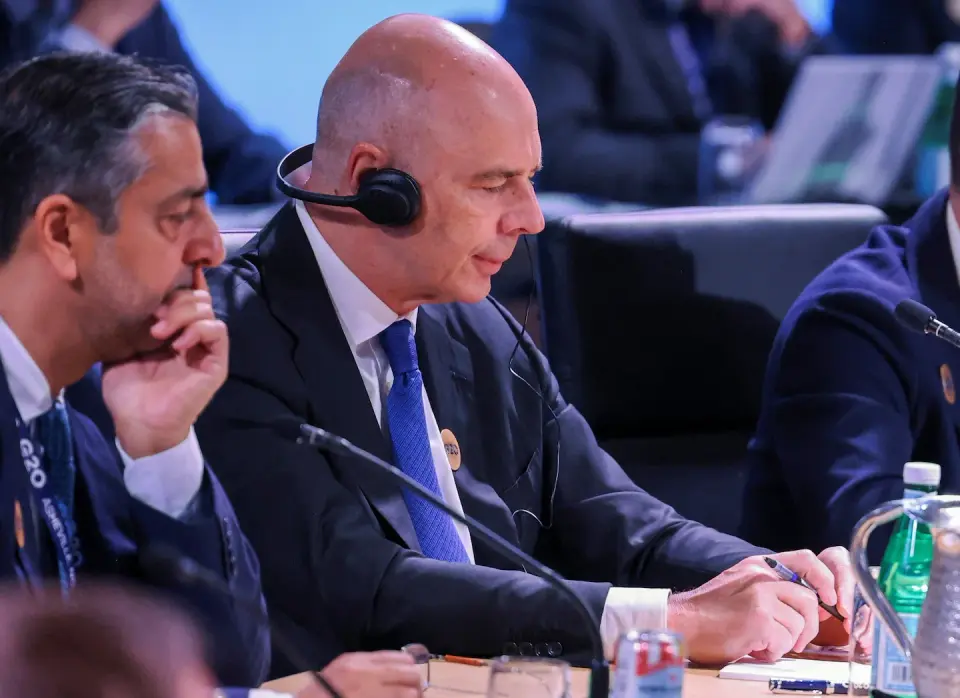
The Trump administration invited Russian Finance Minister Anton Siluanov to the G-20 meeting in Asheville, marking his first in-person appearance since Russia’s 2022 invasion of Ukraine. While U.S. officials framed the move as necessary for dialogue, European allies protested the inclusion, successfully excluding Russian delegates from the official group photo. Treasury Secretary Scott Bessent met with Siluanov but stated no economic relief would be offered until the war ends.
Key points
- Anton Siluanov attended the G-20 finance ministers meeting in Asheville, North Carolina, invited by the Trump administration.
- European officials, including German Finance Minister Lars Klingbeil, objected to Russia’s presence and coordinated to exclude Russian delegates from the group photo.
- Treasury Secretary Scott Bessent held a one-on-one meeting with Siluanov, stating that no economic cooperation is possible until the war in Ukraine ends.
- Trump defended the invitation by citing his desire to 'get along with everybody,' while Democrats criticized the move as offering a platform to Putin’s allies.
- The inclusion marked a sharp departure from the Biden administration’s approach, which saw U.S. officials walk out of similar forums to protest Moscow’s participation.
Background
This event follows a period of heightened tensions regarding U.S. engagement with Russia. Earlier reports in August 2026 highlighted scrutiny over Trump Organization projects in Georgia with ties to Russian oligarchs, suggesting a broader pattern of complex financial and diplomatic interactions. The current G-20 incident contrasts with the Biden era, where U.S. officials actively boycotted meetings with Russian counterparts to isolate Moscow over its invasion of Ukraine.
How outlets are covering it
The Washington Post and Politico both report on the controversy but emphasize different aspects. The Post highlights the 'troubling' nature of the appearance and the U.S. justification of 'dialogue.' Politico focuses more on the diplomatic friction, detailing the specific exclusion of Russia from the group photo and the sharp criticism from Senator Jeanne Shaheen. Both outlets agree that the move represents a significant shift in U.S. policy, but Politico provides more detail on the internal coordination among European officials to resist the inclusion, while the Post notes the broader context of ongoing military conflict in Ukraine.
Why it matters
The decision to invite Russia to the G-20 signals a potential shift in U.S. foreign policy toward engagement rather than isolation, despite ongoing war in Ukraine. This move risks straining alliances with European partners who view such engagement as legitimizing Moscow’s actions. It also highlights the tension between diplomatic pragmatism and moral consistency in international forums, potentially setting a precedent for future U.S. interactions with sanctioned nations.
What to watch
The U.S. administration is expected to continue engaging with Russia in economic forums while maintaining a stance that no economic relief will be provided until the war ends. European allies may continue to coordinate positions to limit Russian influence in international bodies. The outcome of the Bessent-Siluanov meeting and any subsequent diplomatic developments will be closely watched for signs of a broader thaw or continued tension in U.S.-Russia relations.
- Russian finance minister, invited by Trump, draws objections at G-20 meeting The Washington Post
- Trump welcomes Russia back to the G20. Europe isn’t having it. Politico
- Europeans bristle at Russia's return to G20 Reuters
- Bessent Meets With Russia Finance Chief at G20 Gathering Bloomberg.com
- Europe Protests as U.S. Invites Russian Minister to G20 Finance Meeting The New York Times
Want the full story? Read the original reporting
Read on The Washington Post