
Trump’s Iran Deadline Collides with Ceasefire Deadlock and Maritime Chaos
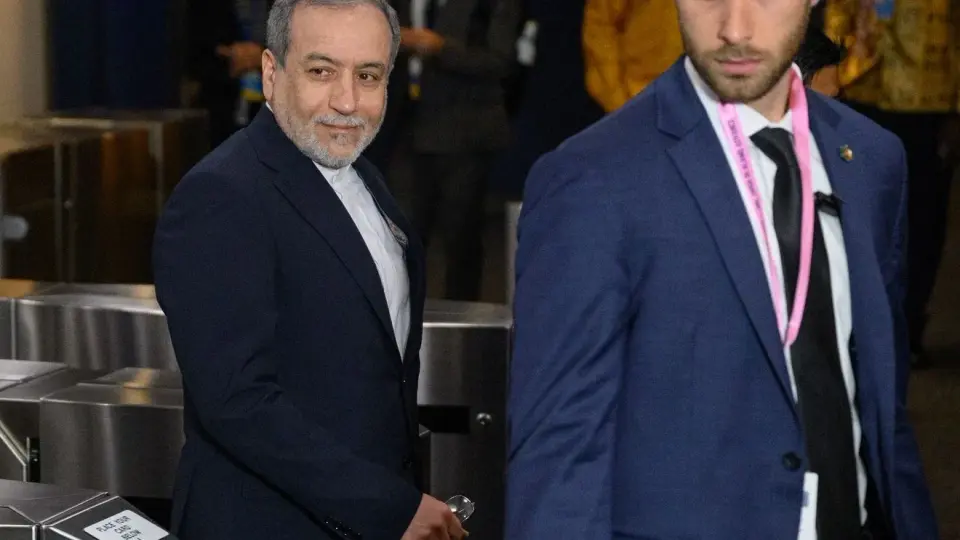
President Trump has issued a final ultimatum to Iran, demanding a peace deal or facing total destruction, even as Tehran rejects his terms and warns of a stronger military response. The conflict, which began in February, has stalled in a diplomatic deadlock over a seven-day ceasefire proposal, while maritime tensions in the Strait of Hormuz escalate with frequent attacks on tankers. Trump’s administration is simultaneously withdrawing B-1 bombers from the UK and imposing new sanctions, while Iran’s leadership insists the war will only end if the US admits defeat.
Key points
- Trump issued an ultimatum to Iran, stating they must sign a peace deal or 'cease to exist,' according to WBFF.
- Iran’s Foreign Minister Abbas Araghchi warned that any renewed military action would trigger a 'much stronger and more decisive' response, while maintaining diplomatic channels.
- The US and Iran are deadlocked over a seven-day ceasefire proposal, with disagreements on the sequencing of steps to reopen the Strait of Hormuz.
- The US withdrew all B-1 bombers from RAF Fairford in the UK amid security concerns and suspected Iranian plots.
- Three tankers were struck by unknown projectiles in the Strait of Hormuz on Tuesday, according to the UK Maritime Trade Operations.
- Iran’s Revolutionary Guard Corps stated the war will only end if the US admits defeat, a message timed ahead of US midterm elections.
Background
The current standoff follows a series of escalating threats since late September, including Trump’s UN address warning to 'annihilate' Iran if no deal is reached before the November midterms. Earlier in August, internal power struggles in Iran between pragmatists and hardliners were seen as pivotal to whether a negotiated end to the war was possible. The conflict began on February 28, 2026, with US and Israeli attacks, and has since involved sanctions extensions and shifting military postures.
How outlets are covering it
WBFF emphasizes Trump’s hardline ultimatum and the threat of annihilation. CNN focuses on the discrepancy between Trump’s current claims and his earlier public statements that the war would last only 'four to six weeks,' noting that his press secretary previously confirmed this timeline for the entire conflict, not just the nuclear threat. Iran International highlights the military and diplomatic posture of Tehran, including warnings of a stronger response and claims that US warships have withdrawn from the region. CBS News details the ongoing diplomatic deadlock, noting that Iran received a US counterproposal to its seven-day ceasefire plan, which Trump had publicly rejected, and highlights the impact on global oil markets and regional allies like Pakistan and Yemen.
Why it matters
The situation risks a full-scale regional war if the diplomatic deadlock fails, with direct implications for global energy supplies given the attacks on the Strait of Hormuz. The timing of Iran’s messaging ahead of US midterm elections suggests an attempt to influence domestic US politics. The withdrawal of US bombers and new sanctions indicate a shift in US strategy, while the refusal of Iran-backed militias in Iraq to disarm suggests the conflict may persist beyond a formal ceasefire.
What to watch
Iran is expected to discuss the US counterproposal to its ceasefire plan in a cabinet meeting. The G7 has agreed to release 100 million barrels of oil to stabilize markets, while OPEC+ has kept production targets steady. The US and Iran will continue to negotiate through Qatari intermediaries, but the deadlock over the sequencing of the ceasefire and the reopening of the Strait of Hormuz remains unresolved.
- President Trump issues ultimatum to Iran: Sign a peace deal or cease to exist WBFF
- Fact check: Trump’s attempt to pretend he didn’t say the Iran war would last mere ‘weeks’ CNN
- Live - Trump says he has a decision to make about Iran iranintl.com
- Trump says Iran "ready to fold up," after threatening post-midterm attacks CBS News
- Trump says latest Iran peace offer not enough, may resume bombing, and other Mideast developments apnews.com
Want the full story? Read the original reporting
Read on WBFF