
US Charges Raúl Castro with Conspiracy to Murder Over 1996 Plane Shootdown
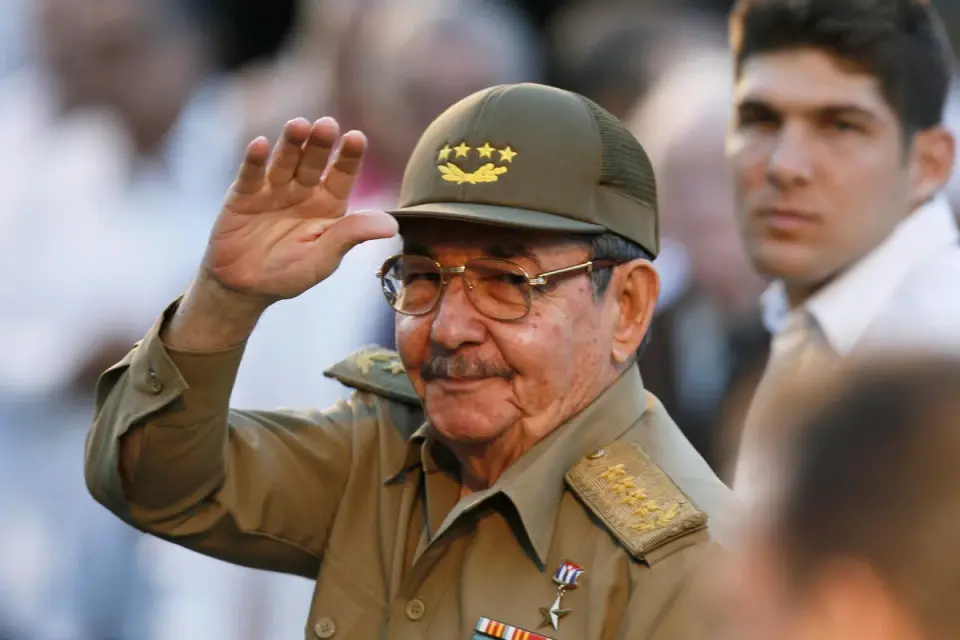
US authorities have formally charged former Cuban president Raúl Castro with conspiracy to commit murder regarding the 1996 shootdown of two civilian aircraft. This federal action follows a May 2026 indictment and complements a recent state-level warrant from Florida, aiming to prevent a potential presidential pardon. While the charges are largely symbolic given Castro's age and location in Cuba, they mark a significant escalation in US legal pressure on Havana.
Key points
- Raúl Castro, 95, faces federal charges for conspiracy to commit murder related to the 1996 shootdown of two civilian planes.
- The federal indictment was issued in May 2026, preceding a state-level warrant from Florida Attorney General James Uthmeier.
- The state warrant aims to prevent a future US president from pardoning Castro, though experts note its symbolic nature due to Castro's location in Cuba.
- The charges relate to the Brothers to the Rescue, a Miami-based exile group whose aircraft were shot down by Cuban forces in 1996.
- This legal action coincides with intensified US pressure on Havana, including an energy blockade and threats of military action.
Background
This development follows a series of legal actions against Raúl Castro. In October 2026, Florida Attorney General James Uthmeier announced a state arrest warrant for Castro, charging him with conspiracy to commit first-degree murder for his alleged role in the 1996 shootdown. This state action complements a federal indictment issued in May 2026. The warrant aims to prevent a potential presidential pardon, though experts note it is largely symbolic given Castro's age and location in Cuba. The 1996 incident involved the shootdown of two civilian aircraft flown by the Miami-based exile group Brothers to the Rescue.
Why it matters
The formal charging of Raúl Castro represents a significant escalation in US legal and political pressure on Cuba. While the charges are unlikely to lead to his arrest due to his age and location, they signal a long-term strategy to hold Cuban leadership accountable for past actions. This move also underscores the broader context of intensified US-Cuba tensions, including energy blockades and military threats, and aims to prevent any future presidential pardon that could absolve Castro of responsibility for the 1996 shootdown.
What to watch
The case will likely remain a legal and diplomatic issue rather than a practical one, given Castro's location in Cuba. US authorities may continue to pursue legal avenues to ensure Castro cannot be pardoned. The situation may also influence broader US-Cuba relations, potentially affecting diplomatic negotiations and trade policies. There is no immediate expectation of Castro's arrest, but the charges may have long-term implications for his legacy and US-Cuba relations.
Want the full story? Read the original reporting
Read on AP News