
US clears $24.3B F-35 sale to Saudi Arabia, triggering 30-day congressional review
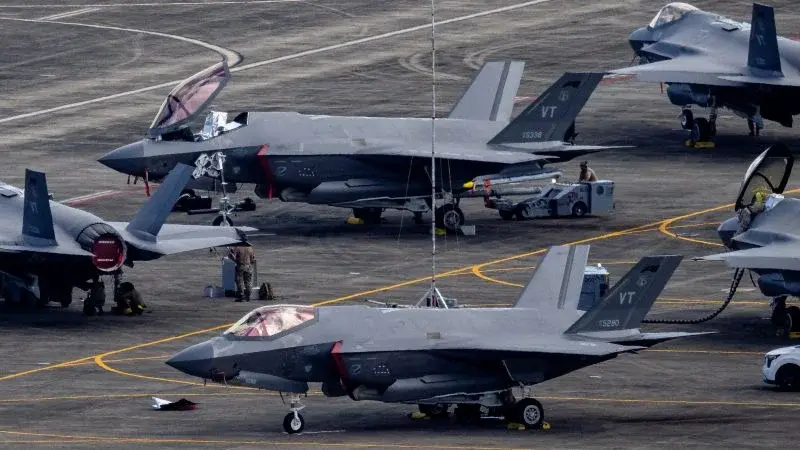
The Trump administration has approved a $24.3 billion sale of 48 F-35 stealth fighter jets to Saudi Arabia, a move that elevates Riyadh’s airpower to match Israel’s current fleet. The deal includes 49 engines and spare parts, with the State Department asserting it will not alter the regional military balance. Congress now has 30 days to scrutinize or block the transaction, facing opposition from Democrats who warn that sensitive US technology could be shared with China. The sale comes amid escalating Houthi attacks in Yemen and follows a previous $142 billion defense agreement between the two nations.
Key points
- The US State Department approved the sale of 48 F-35 jets and 49 Pratt & Whitney engines to Saudi Arabia for $24.3 billion.
- The deal is described as supporting US foreign policy and national security objectives for a major non-NATO ally.
- Congress has a 30-day window to review or block the sale, with some lawmakers raising concerns about technology transfer to China.
- The sale would bring Saudi Arabia’s F-35 fleet to 48 aircraft, matching Israel’s current inventory, though Israel is expanding its fleet to 100.
- The decision follows a previous $142 billion defense deal and occurs amid escalating Houthi attacks on Saudi targets.
Background
Previous coverage in September 2026 indicated that US officials had already reached a preliminary deal for the 48 jets, drawing scrutiny from lawmakers and Israel. The current approval formalizes the process, triggering the mandatory congressional review period. Earlier reports highlighted concerns that the sale could destabilize the region or provide China with access to advanced stealth technology, a fear that persists in current debates.
How outlets are covering it
CNN and BBC emphasize the controversy surrounding the sale, focusing on the potential for sensitive US technology to reach China through Saudi Arabia’s security partnerships. CNBC highlights the strategic context, noting the deal comes as Iran-backed Houthis escalate attacks and seek control of the Bab el-Mandeb Strait. While the State Department argues the deal will not alter the regional military balance, Democratic lawmakers like Rep. Raja Krishnamoorthi warn that it puts 'crown jewels' of American military technology within reach of the Chinese Communist Party. The BBC notes that Israel is expanding its own F-35 fleet to 100 aircraft, potentially mitigating concerns about a shift in the regional balance of power.
Why it matters
This sale represents a significant shift in US arms policy, potentially altering the military balance in the Middle East. It tests the limits of US technology transfer restrictions and could influence future defense deals with Gulf allies. The congressional review process will determine whether the deal proceeds, with potential implications for US-Saudi relations and regional security dynamics.
What to watch
Congress will review the deal for 30 days, during which lawmakers may attempt to block it. The outcome will depend on the balance of concerns over regional stability, technology security, and US-Saudi strategic ties. If approved, Saudi Arabia will receive the jets, potentially changing the military landscape in the Gulf.
- Trump admin approves sale of stealth F-35 fighter jets to Saudi Arabia. Here’s why it’s controversial CNN
- Trump administration advances $24.3 billion fighter jet deal to Saudi Arabia as Houthis escalate attacks CNBC
- Trump Moves Ahead With F-35 Jet Sales to Saudi Arabia Despite Intelligence Concerns The New York Times
- Why US plan to sell F-35 warplanes to Saudi Arabia is controversial BBC
- US clears way for $24.3 billion fighter jet sale to Saudi Arabia reuters.com
Want the full story? Read the original reporting
Read on CNN