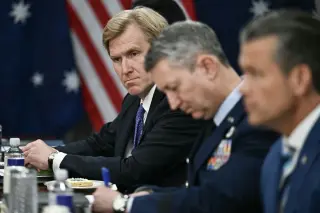
The US administration has excluded the UK, France, and the Baltic states from a select NATO working group meeting in Poland, raising concerns about alliance fragmentation.
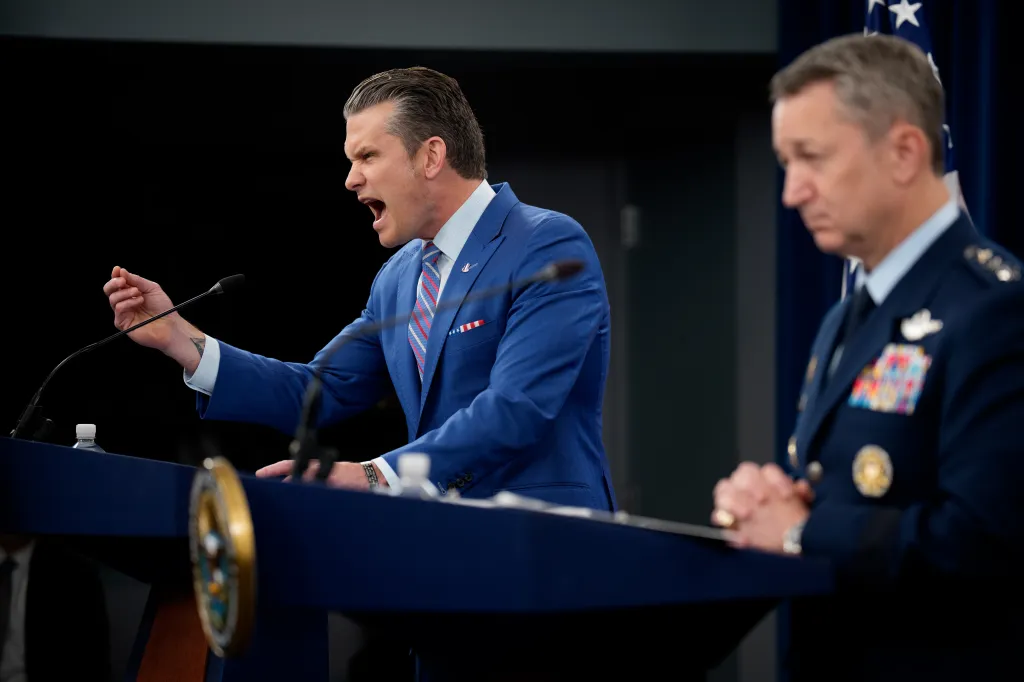
The Trump administration is excluding major allies, including the UK, France, and Baltic states, from a Pentagon-led NATO working group in Poland. This exclusion follows Washington’s recent threats to penalize allies not meeting defense spending targets, raising concerns about alliance cohesion amid Russian aggression.
Under NATO 3.0 the US plans to shift conventional deterrence to Europe while keeping the nuclear shield, but critics warn Europe isn’t ready to shoulder the burden and Russia may test gaps during the transition; high-level visits to Moscow and Europe reveal unresolved questions on force levels, basing, and access rights, with Colby due to present options by November 6.
Dana Stroul argues that the Iran war exposed the United States’ strategic overreliance on a Gulf-centric security guarantee: the U.S. and its partners demonstrated overwhelming conventional power, yet Iran adapted with a mosaic defense and maritime coercion that threatened Gulf stability and global energy flows. The conflict highlighted the limits of static basing, strained the defense industrial base, and showed that long-term strategic wins require shifting from being the region’s sole security guarantor to its security integrator, accelerating basing flexibility, coproduction with Gulf allies, faster acquisition, and a broader, multinational security framework that includes Europe and Asia to deter Iran and reassure partners.
A defense analyst argues that Iran’s conflict shows how the Strait of Hormuz could be weaponized to disrupt energy and digital supply chains, and warns that a Chinese invasion of Taiwan would sharply disrupt global semiconductor production with no credible U.S. contingency plan, risking broad economic shocks and lasting supply-chain damage.
The Pentagon is experiencing significant disarray, with concerns over uncoordinated decisions, leadership departures, and reduced transparency, raising alarms about the stability and effectiveness of US military strategy and civil-military relations.
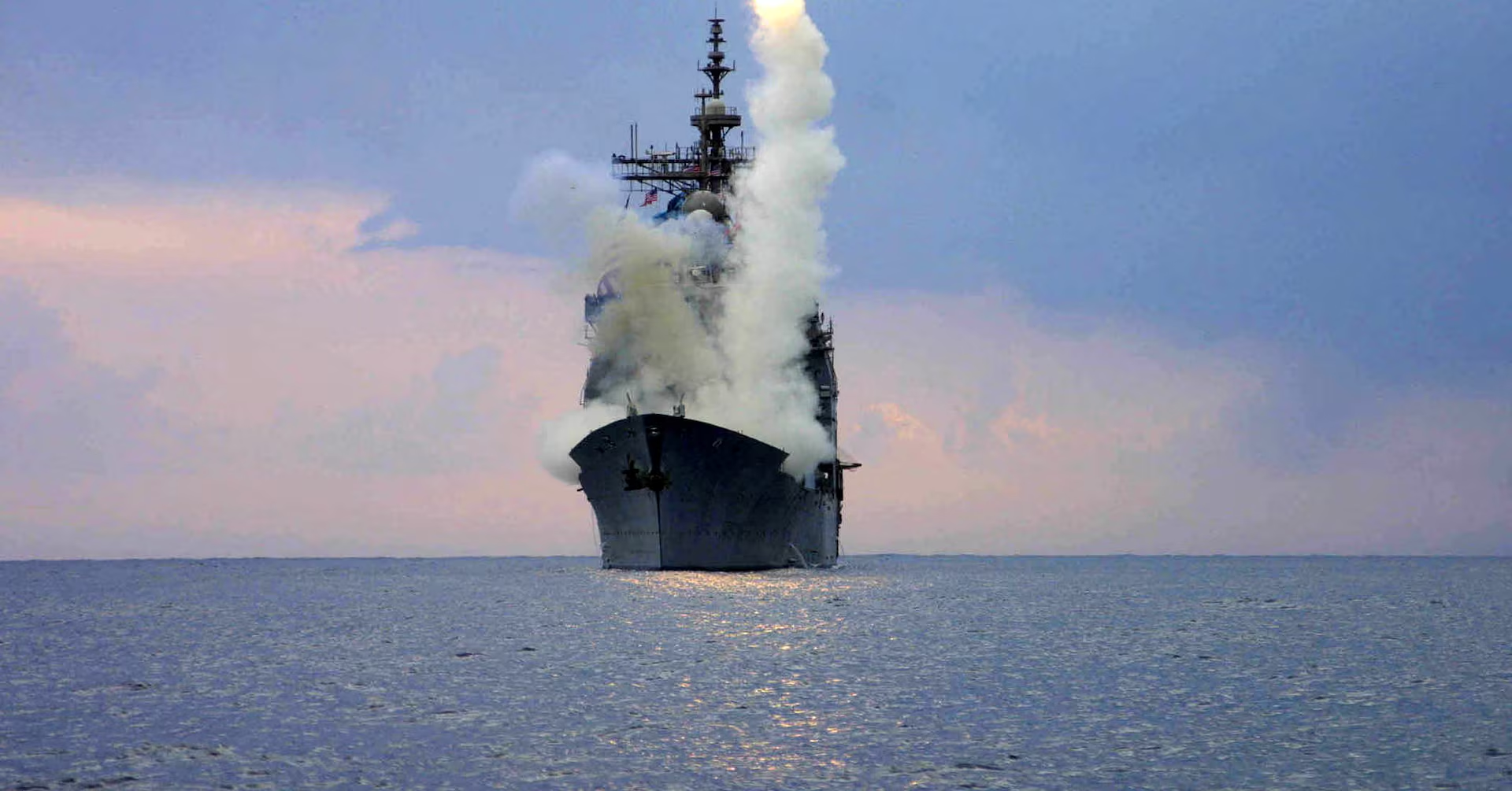
The U.S. is unlikely to send long-range Tomahawk missiles to Ukraine due to inventory commitments and logistical challenges, prompting consideration of alternative missile options and potential European purchases, amid escalating tensions with Russia over Ukraine.
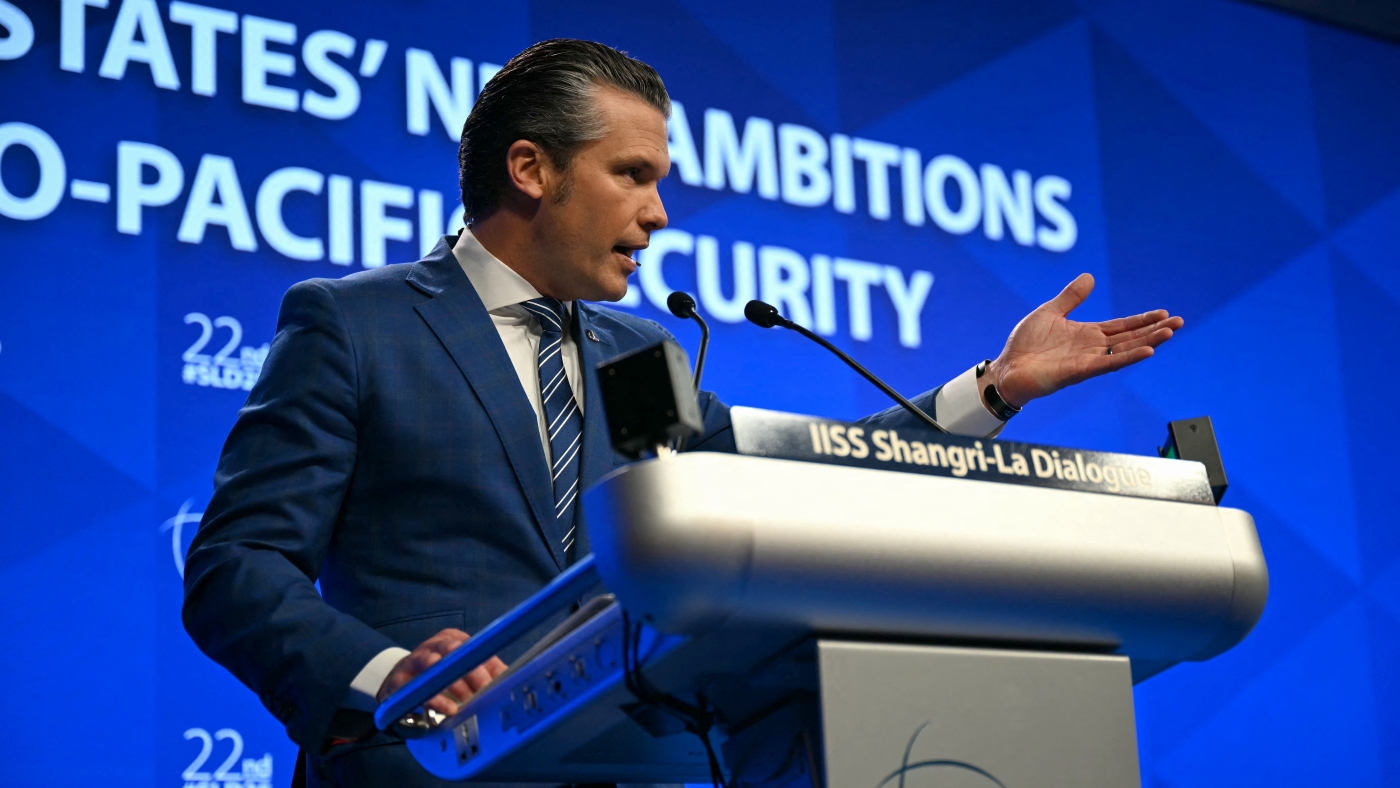
US Defense Secretary Pete Hegseth warned at the Shangri-La Dialogue that China poses a significant threat to the Indo-Pacific, prompting the US to reorient its military strategy, potentially including troop adjustments, while emphasizing a stance of deterrence and cooperation with regional allies. The speech drew mixed reactions, with some viewing it as hostile and others as supportive of US allies, amid broader debates on US and Chinese influence in the region.
The U.S. has announced a $725 million security assistance package for Ukraine, including artillery, rockets, and air defense capabilities, as part of a broader effort to bolster Ukraine's defense before the end of the President's term. This package is part of a series of measures, including prioritizing air defense exports and adjusting permissions on long-range missile use, in response to North Korean involvement in the conflict. Additionally, the U.S. has imposed significant sanctions on Russia's financial sector to disrupt its war efforts.